





Table of Content
Best Time to Travel to Greece: Weather, Islands, and Crowds

The best time to travel to Greece is usually May, June, September, or early October. These months offer warm weather, open island services, better sightseeing conditions, and fewer crowds than peak summer. July and August are best for beach energy and nightlife, but they also bring the highest prices, heat, and crowds.
What Is the Best Time to Travel to Greece?
The best time to travel to Greece is usually May, June, September, or early October. These months offer the best balance of warm weather, open island services, manageable crowds, and more comfortable sightseeing. July and August are better for travelers who want peak beach season and nightlife, but they also bring higher prices, stronger heat, and the busiest ferries and hotels.
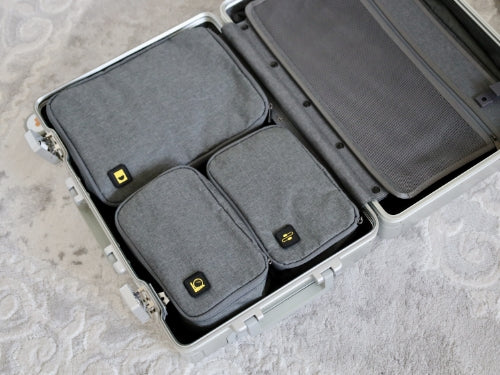
If your Greece itinerary includes Athens, ferries, and one or two islands, packing light with carry-on luggage can make the trip easier, especially during the warmer shoulder season when you do not need heavy layers.
- Best overall months: May, June, September, and early October are the strongest choices for most travelers. They work well for Athens, Greek islands, coastal towns, outdoor dining, and first-time itineraries because the weather is pleasant without the heaviest summer pressure.
- Best time for good weather: May, June, September, and October are better for walking, ruins, city breaks, and longer sightseeing days. Athens and mainland historical sites can feel very hot in July and August, so shoulder season is usually easier if your trip includes the Acropolis, Delphi, Meteora, or long outdoor routes.
- Best time for beaches: June through September is best for beach trips in Greece. June brings early summer weather and active island services. July and August are the hottest and busiest months. September is often the best compromise because the sea is still warm, but crowds begin to ease.
What Greece Is Like in Each Season
Greece changes a lot by season. The islands, ferry schedules, hotel prices, and sightseeing comfort can feel very different from one month to the next, so the best season depends on whether you care more about beaches, culture, budget, or fewer crowds. The best luggage for European travel should also accommodate seasonal variations, especially if your route includes ferries, city walks, island hotels, and changing weather.
- Spring in Greece: Spring is a strong season for Athens, cultural sites, hiking, food trips, and quieter island visits. April can still be mixed for beach weather, but May usually feels warmer and more travel-friendly. This season is best for travelers who care more about sightseeing than swimming every day.
- Summer in Greece: Summer is the busiest season. June is lively but still easier to manage than July and August. July and August are best for hot beach days, nightlife, boat trips, and peak island energy, but travelers should expect higher prices, crowded ferries, and midday heat.
- Fall in Greece: Fall is one of the best times to visit Greece. September still feels like summer in many coastal areas, and early October can work well for islands, Athens, and historical sites. Later October becomes less predictable for beach days, but it can still be good for culture and food-focused trips.
- Winter in Greece: Winter is better for Athens, Thessaloniki, museums, food, and lower prices than for island hopping. Some larger islands still have local life, but many seasonal hotels, restaurants, beach services, and ferry routes reduce operations. It works for city travel, not a classic island vacation.
Best Time to Visit Greece by Travel Style
Before choosing a month, think about what kind of Greece trip you want. A beach vacation, a honeymoon, and a history-focused itinerary do not need the same timing.
Best Time for Greek Islands and Island Hopping
June and September are the best months for Greek island hopping. Ferries are more active than in winter, hotels and restaurants are open, and the weather is suitable for beaches and boat days. July and August also work, but you should expect higher prices and busier ports. If your route includes several islands, avoid leaving ferry bookings too late in peak season.
Best Time for Athens and Historical Sites
April, May, October, and early November are better for Athens and historical sites if sightseeing is your main goal. The weather is easier for walking, and outdoor ruins are more enjoyable without intense midday heat. If you visit Athens in July or August, plan the Acropolis and other outdoor sites early in the morning, then use museums, shaded neighborhoods, or hotel breaks during the hottest hours.
Best Time for Santorini and Mykonos
Santorini works best in May, June, September, and early October for views, hotels, restaurants, and sunset walks with fewer crowds than peak summer. Mykonos is best in July and August if you want nightlife and beach clubs, but June and September are better if you want a more balanced island trip. For couples, September can be especially appealing because the sea is still warm and the busiest summer rush begins to ease.
Best Time for Families, Couples, and First-Time Visitors
Families often do better in June or September because the weather is warm but less intense. Couples may prefer May, June, or September for a more relaxed trip with better hotel availability. First-time visitors should consider a route that combines Athens with one or two islands, then choose late May, June, or September for the easiest overall experience.

Best Months to Travel to Greece by Budget and Crowds
Budget and crowd levels are just as important as weather. A cheaper month is not always better if ferries, hotels, and seasonal businesses do not match your trip style.
May and June for Shoulder Season Travel
May and June are strong choices for travelers who want good weather before the heaviest summer crowds. May is better for sightseeing, city walks, and lower prices. June is better if you want more reliable beach weather and fuller island service. For many travelers, June is the sweet spot.
July and August for Peak Summer Travel
July and August are peak season in Greece. Choose these months if you want hot beach days, nightlife, busy islands, and a full summer atmosphere. Avoid them if you are sensitive to heat, dislike crowds, or want lower prices. Hotels, ferries, beach clubs, and popular tours should be booked early.
September and October for Warm Weather With Fewer Crowds
September is one of the best months for Greece because it still feels like summer, but many destinations become easier to enjoy. Early October can also be excellent for Athens, Santorini, Crete, and cultural trips. For beach-focused travel, September is usually safer than late October.
November to March for Lower Prices and City Trips
November to March is the low season. Prices can be lower, especially outside holidays, and Athens becomes easier to explore without summer crowds. This period works best for museums, food, history, and mainland city travel. It is less suitable for island hopping because ferries, hotels, restaurants, and beach services may be limited.
What to Know Before Booking a Greece Trip
Greece rewards early planning, especially if your trip includes islands, ferries, or peak summer dates. The best month on paper can still feel stressful if logistics are left too late.
Hotel, Ferry, and Flight Prices by Season
Prices usually rise as Greece moves into peak summer. July and August bring the strongest demand, especially in Santorini, Mykonos, Crete, and popular Cyclades routes. If you want better value, compare May, early June, September, and early October before choosing your final dates.
Island Closures and Limited Winter Services
Many Greek islands are seasonal. Larger islands such as Crete, Rhodes, and Corfu have more year-round life, while smaller islands may feel quiet in winter. Ferry routes can also be less frequent outside the main travel season, so do not plan winter island hopping the same way you would plan a June or September trip.
Heat, Crowds, and Midday Sightseeing
In July and August, plan around the heat. Visit outdoor ruins early, keep afternoons lighter, and avoid overloading the itinerary. This matters most in Athens and mainland archaeological sites, where shade can be limited and walking routes can feel much harder in peak summer.
What to Pack for Greece by Season
Packing for Greece should match your route. A beach-only island trip needs different clothing than a route with Athens, ferries, churches, and archaeological sites. If Greece is part of a wider itinerary, reviewing what to pack for a European trip can also help you prepare for city walks, ferry transfers, weather changes, and cultural dress expectations.
Light Layers for Spring and Fall
For spring and fall, pack light layers, comfortable walking shoes, a light jacket, and clothing that works for both warm afternoons and cooler evenings. These seasons are ideal for sightseeing, so prioritize shoes and outfits that can handle long walking days.
Summer Essentials for Beaches and Island Days
For summer, bring breathable clothing, swimsuits, sandals, sunscreen, sunglasses, a hat, and a light cover-up for sun protection. Many Greek islands are casual, but restaurants and hotels may still call for cleaner evening outfits. If you plan to visit churches or monasteries, bring modest clothing that covers shoulders or knees when needed.
Packing Light for Ferries, Hotels, and Island Transfers
Greek trips often involve stairs, ferry ramps, cobblestone streets, hotel changes, and short transfers between ports and towns. Packing light makes the trip smoother, especially if you are visiting more than one island. The Voyageur Carry-On 20'' fits this style of travel because it keeps essentials organized in a structured carry-on while still being easier to manage through airports, ferries, and small hotels than a bulky checked bag.
Conclusion
For most travelers, the best time to travel to Greece is May, June, September, or early October. Choose June or September if you want beaches and island hopping. Choose May or October if you care more about sightseeing, comfort, and fewer crowds.
July and August are best for peak summer energy, but they come with higher prices and stronger heat. Winter is better for Athens, food, museums, and lower prices than for island trips. The right month depends on whether you want beaches, history, nightlife, value, or a slower first-time Greece itinerary.
FAQ
Is Greece better in May or September?
September is better for beaches because the sea is warmer and the islands still feel summery. May is better for sightseeing, spring scenery, and slightly lighter crowds. For first-time travelers who want both beaches and culture, September is usually the safer choice.
Is July too hot to visit Greece?
July can be very hot, especially in Athens and mainland archaeological sites. It is still a good month for beaches and islands, but plan sightseeing early in the morning and keep midday activities lighter.
What is the cheapest month to travel to Greece?
The cheapest months are usually in the low season from November to March, excluding holidays. For better weather with more reasonable prices, May, early June, late September, and October can offer better value than peak summer.
How many days do you need for a first trip to Greece?
A first trip to Greece usually needs 7 to 10 days. That gives enough time for Athens plus one or two islands. If you want a slower trip or more island hopping, 10 to 14 days is more comfortable.


Leave a comment