






FAQs
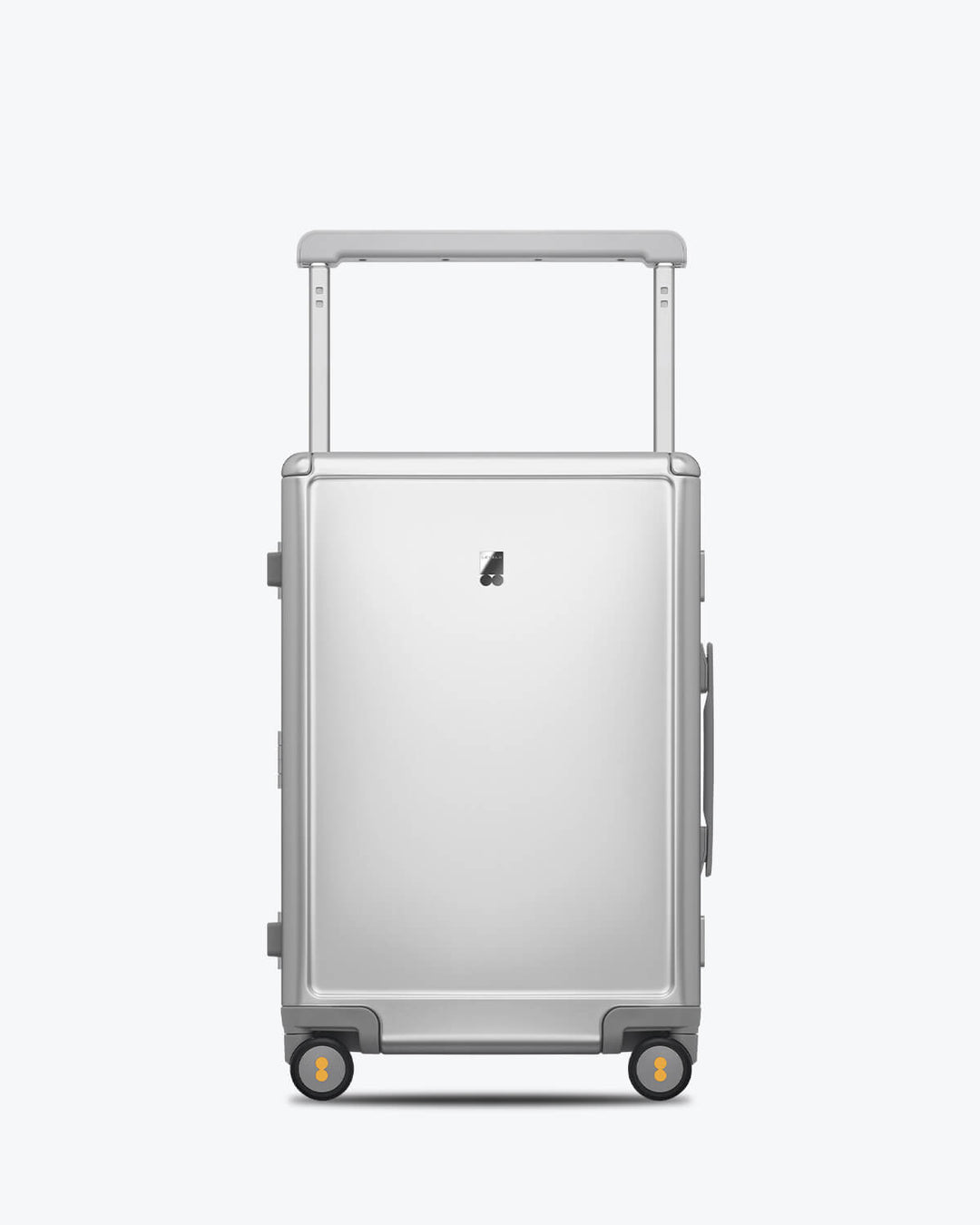
An aluminum carry-on is built with a rigid metal shell that offers a higher level of structural strength compared to plastic or fabric carry-on luggage. This solid construction helps protect personal items stored in the cabin, especially during overhead bin handling and frequent lifting throughout a trip.
Compared with softer materials, aluminum carry-ons maintain their shape well and feel more stable when carried or rolled. Many travelers choose them for their combination of durability, clean design, and a premium feel that stands out during everyday carry-on travel. Aluminum carry-ons are often designed as zipperless luggage, further enhancing security and protecting contents from potential zipper malfunctions.
There are several advantages to choosing an aluminum carry-on:
Superior durability: Aluminum’s strength resists impacts during handling and storage, reducing the risk of damage compared with plastic or fabric luggage.
Valuables protection: The rigid shell is less likely to flex or collapse, helping safeguard items like laptops and other electronics.
Liquid resistance: Metal surfaces deflect small spills or mishaps better than fabric bags.
Premium style: Aluminum luggage often carries a sleek, minimalist aesthetic that makes a strong visual impression.
These benefits make aluminum carry-ons particularly appealing for frequent flyers, business travel, and anyone who prioritizes both protection and style.
Aluminum carry-ons are not without trade-offs. Because aluminum is a metal, these suitcases tend to be heavier than most polycarbonate or fabric models, meaning that weight restrictions on flights can become a consideration. They may also show scratches or light dents over time, although such cosmetic marks generally don’t affect performance and some travelers see them as “travel character.”
Additionally, rigid structure means there’s no expandability like you might find on soft-shell bags, so packing bulky or irregular items can require more thought and strategy.
When selecting an aluminum carry-on, consider these factors:
Size and airline compatibility: Most airlines allow maximum carry-on dimensions of around 22 x 14 x 9 inches (56 x 36 x 23 cm), including wheels and handles.
Weight: While aluminum is strong, it’s heavier; choosing a model with balanced weight and capacity helps keep you within airline limits.
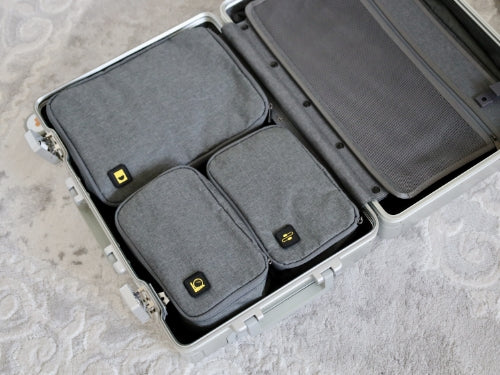
Interior organization: Look for features like compression straps, mesh dividers, and secure pockets to make packing more efficient.
Security features: Built-in TSA-approved locks are common on premium aluminum models and make airport screening easier.
Personal travel habits—such as trip length, frequency, and what you pack most often—should guide your choice to find luggage that fits your needs best.
Packing efficiently in an aluminum carry-on helps ensure both safety and convenience:
Place heavier items toward the bottom for better balance.
Use packing cubes or compression bags to keep clothing organized and minimize shifting.
Place fragile electronics or valuable items in padded sleeves or protective wraps.
Keep essentials like travel documents or chargers in easily accessible compartments or pockets.
Because aluminum luggage has a rigid interior, planning your layout ahead of time can improve space utilization and reduce the need to reshuffle items during layovers.
LEVEL8 offers regional shipping options that vary by location, with free standard shipping available in many regions, including the United States, European Union, United Kingdom, and Canada. Orders are typically processed within 1–2 business days, and tracking information is provided once shipped, so you can follow your delivery.
Delivery times depend on your destination and local carrier schedules. Any applicable duties, taxes, or customs fees based on local regulations are the customer’s responsibility.
Returns or exchanges can be requested within 30 days of delivery, provided the luggage remains unused and in its original packaging. LEVEL8 supplies return instructions and may offer prepaid return labels in certain regions. For other areas, return shipping may need to be arranged by the customer.
Once the returned item is received and approved, refunds are typically processed to the original payment method, excluding any non-refundable shipping costs.