




Table of Content
Can Americans Travel to Cuba? Rules & Safety Guide

Americans can travel to Cuba only when the trip fits an authorized non-tourist purpose under U.S. rules. A Cuban visa, eVisa, flight ticket, or third-country route does not make the trip legal by itself. Travelers still need OFAC authorization through a general license category or a specific license. Before booking, confirm the travel category, lodging restrictions, recordkeeping needs, payment limits, and current safety risks.
Can Americans Travel to Cuba Legally?
Americans can travel to Cuba legally only when the trip fits one of the 12 OFAC general license categories or is covered by a specific OFAC license. A Cuban visa, eVisa, flight ticket, or third-country route may help with entry or logistics, but it does not replace U.S. authorization.
Travel Must Qualify Under an Authorized Category, Not Tourism
A Cuba trip must have a legal travel purpose. Travelers should choose the right authorized category, plan activities that match it, and keep basic proof of their itinerary or trip purpose.
Flights may be available, but flight access does not make the trip legal. The trip is compliant only when the purpose and activities match U.S. Cuba travel rules.
Third-Country Travel Still Follows U.S. Rules
Americans still follow U.S. Cuba travel rules when entering through Mexico, Canada, or another country. A third-country route can change the flight path, but it does not remove the need for authorized travel.
Travelers should confirm their category before booking. The route is a logistics choice, not a way around U.S. restrictions.
Which Cuba Travel Categories Apply to Americans?
Americans must choose a valid Cuba travel category before booking, because U.S. rules allow Cuba travel only for approved purposes, not tourism.
The 12 Authorized Travel Categories
Under U.S. rules, eligible Cuba travel must fall into one of these approved purposes:
- Family visits
- Official government business
- Journalism
- Professional research and professional meetings
- Educational activities
- Religious activities
- Public performances, clinics, workshops, athletic events, or exhibitions
- Support for the Cuban people
- Humanitarian projects
- Activities of private foundations or research or educational institutes
- Exportation, importation, or transmission of information or informational materials
- Certain authorized export transactions
For many independent travelers, “support for the Cuban people” is often the category they consider first, but it still requires qualifying activities. It should not be used as a label for ordinary vacation travel.
What “Support for the Cuban People” Means
“Support for the Cuban people” requires a full-time schedule that supports private Cuban businesses, civil society, or meaningful local interaction. Travelers should limit recreation, keep records, and avoid prohibited lodging or restricted payments.
Is Cuba Safe for American Travelers Right Now?
Cuba is not a “Do Not Travel” destination, but American travelers should still plan carefully. Crime risks, power outages, limited internet, and medical access can affect the trip.
The Current U.S. Travel Advisory for Cuba
Cuba is currently listed as Level 2: Exercise Increased Caution because of crime and unreliable electrical power. Travelers should plan for petty theft, possible violent crime, prolonged power outages, limited charging or payment access, and slower emergency support, especially outside Havana.
Crime Risks in Popular Visitor Areas
Petty crime can happen in tourist areas, busy streets, and transport zones. Travelers should keep valuables out of sight, avoid showing expensive items, and stay aware in crowded places. The State Department also advises travelers not to physically resist a robbery attempt.
Power Outages and Limited Internet Access
Power outages can affect lights, elevators, Wi-Fi, phone charging, card payments, and basic services. Bring a power bank, save offline maps, and keep key travel details available without internet. This is especially useful outside major hotels or larger cities.
Medical Care and Emergency Support Limits
Medical support can be limited, and ambulance services may be unreliable in some areas. Travelers should bring needed medication, carry basic health items, and consider travel insurance with medical evacuation coverage. This matters more for longer trips, remote stays, or travelers with health conditions.

How Should Americans Prepare for a Cuba Trip?
A Cuba trip requires more planning because legal category, lodging, payment, power, and medical access can all affect the trip. Americans should confirm documents, keep travel records, and use a simpletravel packing list to keep essentials within easy reach.
Bring the Right Entry Documents
Bring a valid U.S. passport, the required Cuban visa, eVisa, or current entry authorization, and proof of non-U.S. medical insurance. These documents help with entry into Cuba, but they do not prove OFAC authorization. U.S. travelers still need a qualifying OFAC category or a specific license for the trip itself.
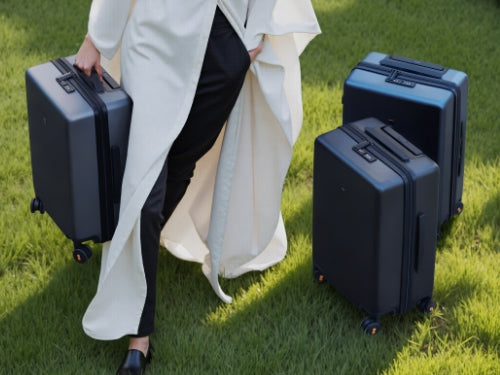
For passports, medication, chargers, and backup clothes, carry-on luggage helps keep key items close before boarding.
Keep Proof of Approved Travel
American travelers should keep records that show why their Cuba trip is authorized. This may include an itinerary, lodging details, receipts, activity records, and documents tied to the approved travel category. OFAC requires U.S. travelers using a general or specific license to keep Cuba travel records for five years.
Plan for Medical Needs
Pack enough prescription medication for the full trip, plus basic health items you may need during delays or power outages. Medical supplies and emergency support can be limited, so travelers with health conditions should consider extra coverage, including medical evacuation insurance.
Pack Carry-On Essentials for a Cuba Trip
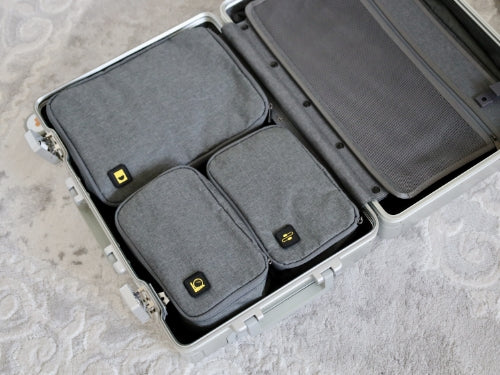
Keep important documents, medication, charging gear, cash, travel records, and one change of clothes in your carry-on. The LEVEL8 Road Runner Carry-On 20''works well for this setup because its front quick-access compartment keeps passports, chargers, and paperwork easier to reach, while the hard shell and locking system help protect essentials during airport transfers.
What Should Americans Know Before Booking?
Before booking, Americans should confirm the trip is legally authorized, check lodging restrictions, and plan for cash payments.
Confirm Authorized Travel Before Booking Flights
Tourist travel to Cuba is still prohibited for U.S. travelers. Before booking flights, choose the authorized travel category that applies to your trip, such as support for the Cuban people, family visits, journalism, professional research, or another OFAC-approved category.
Check Hotels Before Reserving
Do not book lodging only because it appears online. U.S. travelers should check the Cuba Prohibited Accommodations List and avoid lodging or payments linked to restricted entities. Hotel choice is part of OFAC compliance, not just travel planning, so travelers should review OFAC’s Cuba travel guidance before making a reservation.
Bring Cash for Local Payments
Cards issued in the U.S. do not work in Cuba, so travelers should bring enough cash for meals, transport, tips, and backup expenses. Confirm current payment options before departure, and keep some cash in separate places. For luggage options before the trip,LEVEL8 offers carry-on luggage, checked luggage, and travel bags for different packing needs.
FAQ
Can Americans Go to Cuba Without Joining a Tour?
Yes, Americans can go to Cuba without joining a group tour, but the trip still must fit an authorized travel category. U.S. rules focus on the legal purpose of travel, not whether the traveler joins a tour. Tourist travel remains prohibited, so independent travelers should keep a clear itinerary and records that support their approved category.
Do Americans Need a Visa or eVisa to Enter Cuba?
Yes. Americans need Cuban entry authorization, such as a visa, eVisa, or other current entry document required by Cuba, but that is separate from OFAC authorization. A visa or eVisa may allow entry into Cuba, while OFAC rules decide whether the travel-related transactions are legal for a U.S. traveler. Confirm the current entry process with the airline or Cuban consular source before departure.
Can Americans Fly to Cuba Through Mexico or Canada?
Yes, Americans can travel to Cuba through Mexico, Canada, or another third country, but the same U.S. rules still apply. Routing through another country does not make tourist travel legal. The trip must still qualify under a general or specific OFAC license.
How Long Should Americans Keep Cuba Travel Records?
Americans should keep Cuba travel records for five years. OFAC states that U.S. travelers using a general or specific license must retain records related to their Cuba travel. These records may include itineraries, receipts, lodging details, activity records, and documents showing the approved travel category.
Can Americans Visit Cuba for a Beach Vacation?
No, Americans should not travel to Cuba mainly for a beach vacation. U.S. law still prohibits travel to Cuba for tourist activities. Beach time or recreation should not be the main purpose of the trip, and travelers should make sure their schedule matches an authorized category.
Do Cuban-Born U.S. Citizens Need a Cuban Passport to Enter Cuba?
Yes, in many cases Cuban-born U.S. citizens may need to enter and leave Cuba with a Cuban passport. The U.S. State Department notes that Cuba requires Cuban dual nationals to use Cuban passports, and Cuban-born U.S. citizens who maintain residency status in Cuba may be treated as Cuban citizens by the Cuban government. They still must use a U.S. passport to enter the United States.
Conclusion
Americans can travel to Cuba, but the trip must fit an authorized OFAC category or a specific license rather than ordinary tourism. Before booking, travelers should confirm the legal purpose, check lodging restrictions, prepare cash, and keep records. A Cuban visa or eVisa helps with entry, but it does not replace U.S. authorization. Since power outages, limited internet, payment issues, and medical access can affect the trip, key documents and daily essentials should stay easy to access.

Leave a comment