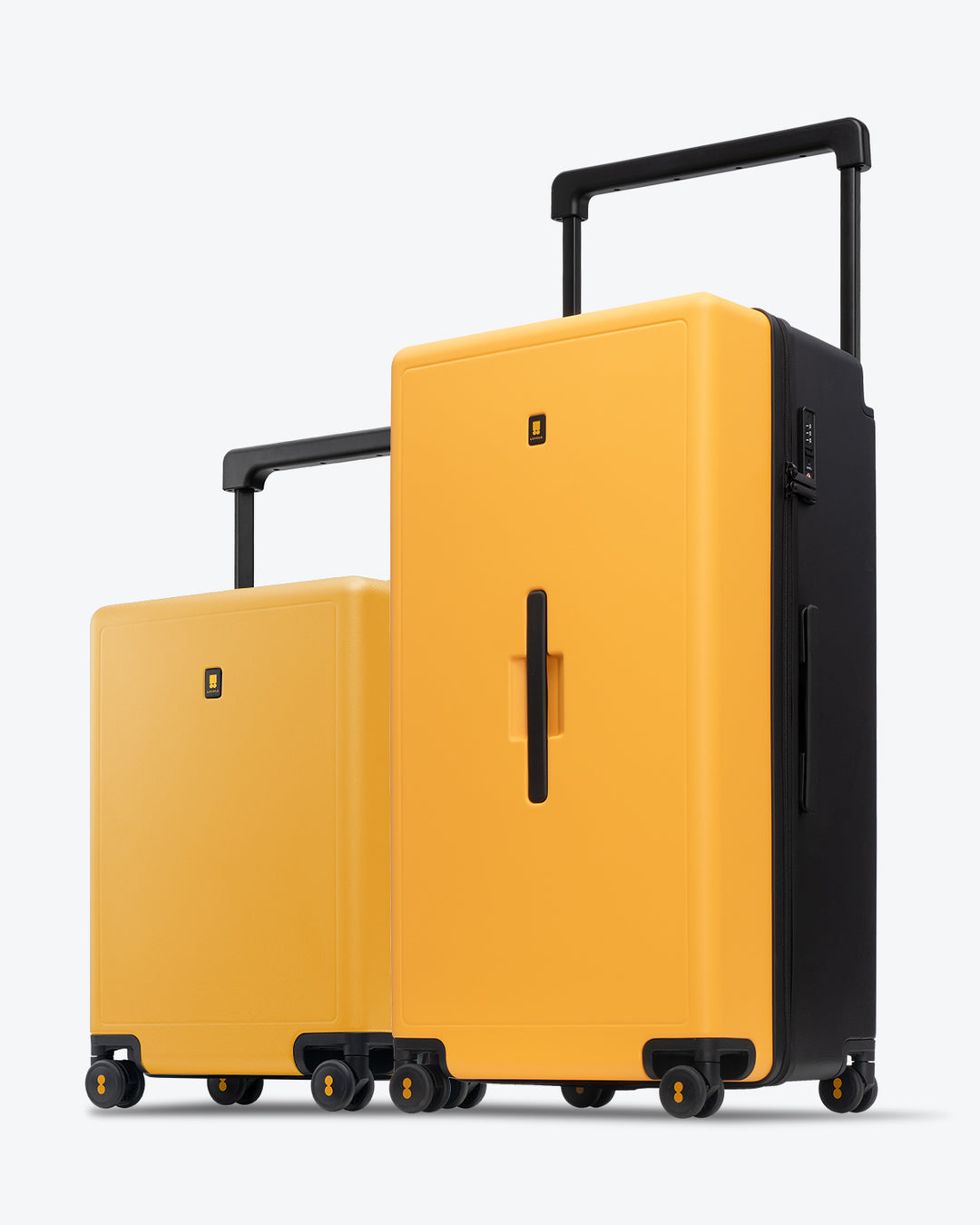
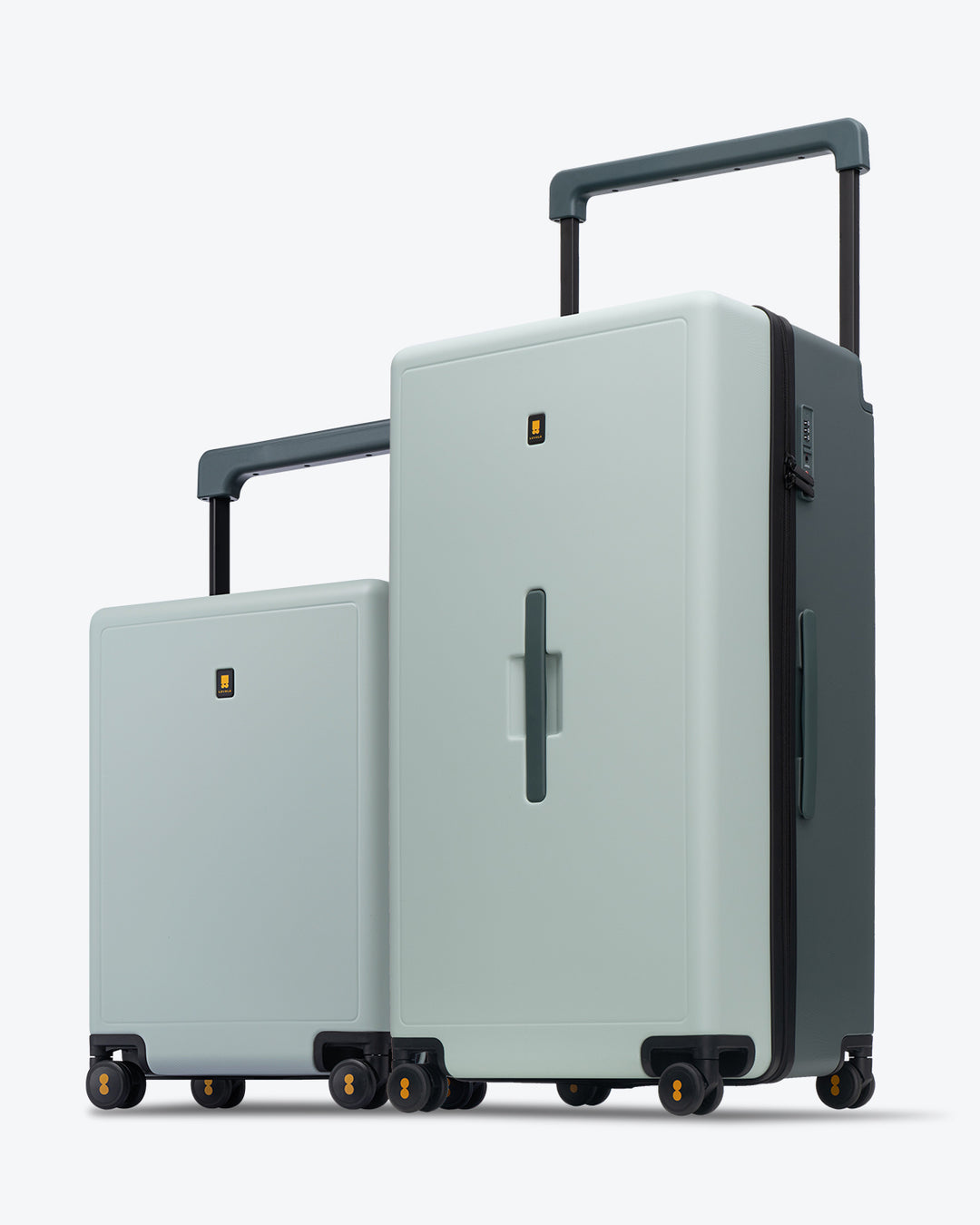
Polycarbonate Luggage

How Durable Is Polycarbonate Luggage?

Polycarbonate luggage durability comes from the material's ability to balance strength, resilience, and manageable weight. Rather than relying on a heavy rigid shell, polycarbonate can handle the bumps and pressure that come with regular travel while keeping the suitcase easier to lift and maneuver.

That balance makes polycarbonate hardside luggage suitable for both carry-on and checked travel. It provides a structured shell around your belongings without adding the weight associated with some more rigid materials. For frequent flyers, this can be especially useful when lifting a carry-on into an overhead bin or trying to stay within checked baggage weight limits.

Material is only part of long-term durability, though. Wheels, handles, zippers, locks, and surface finishes also affect how a suitcase performs after repeated trips. Several of our collections use German-made Makrolon® polycarbonate, while features such as textured finishes, durable spinner wheels, aluminum telescopic handles, and TSA-approved locks add protection and everyday usability depending on the model.

No suitcase stays completely free from cosmetic wear, particularly when it is regularly checked. Scratches and scuffs can happen during baggage handling, but choosing a well-constructed shell and reliable travel components can help your luggage perform trip after trip.

Polycarbonate vs. Aluminum Luggage

Both materials provide hardside protection, but they suit different priorities in weight, rigidity, packing flexibility, and overall feel.

Polycarbonate Luggage Aluminum Luggage
Weight Generally lighter and easier to lift Generally heavier because of the metal shell
Shell Feel Strong with some resilience under travel impacts Highly rigid and maintains its structure well
Handling Well suited to frequent carrying and lifting More substantial feel when fully packed
Packing Available in a wider variety of layouts and designs Usually structured around a fixed rigid frame
Best For Travelers balancing durability, weight, and everyday convenience Travelers prioritizing rigidity, premium construction, and a distinctive metal finish

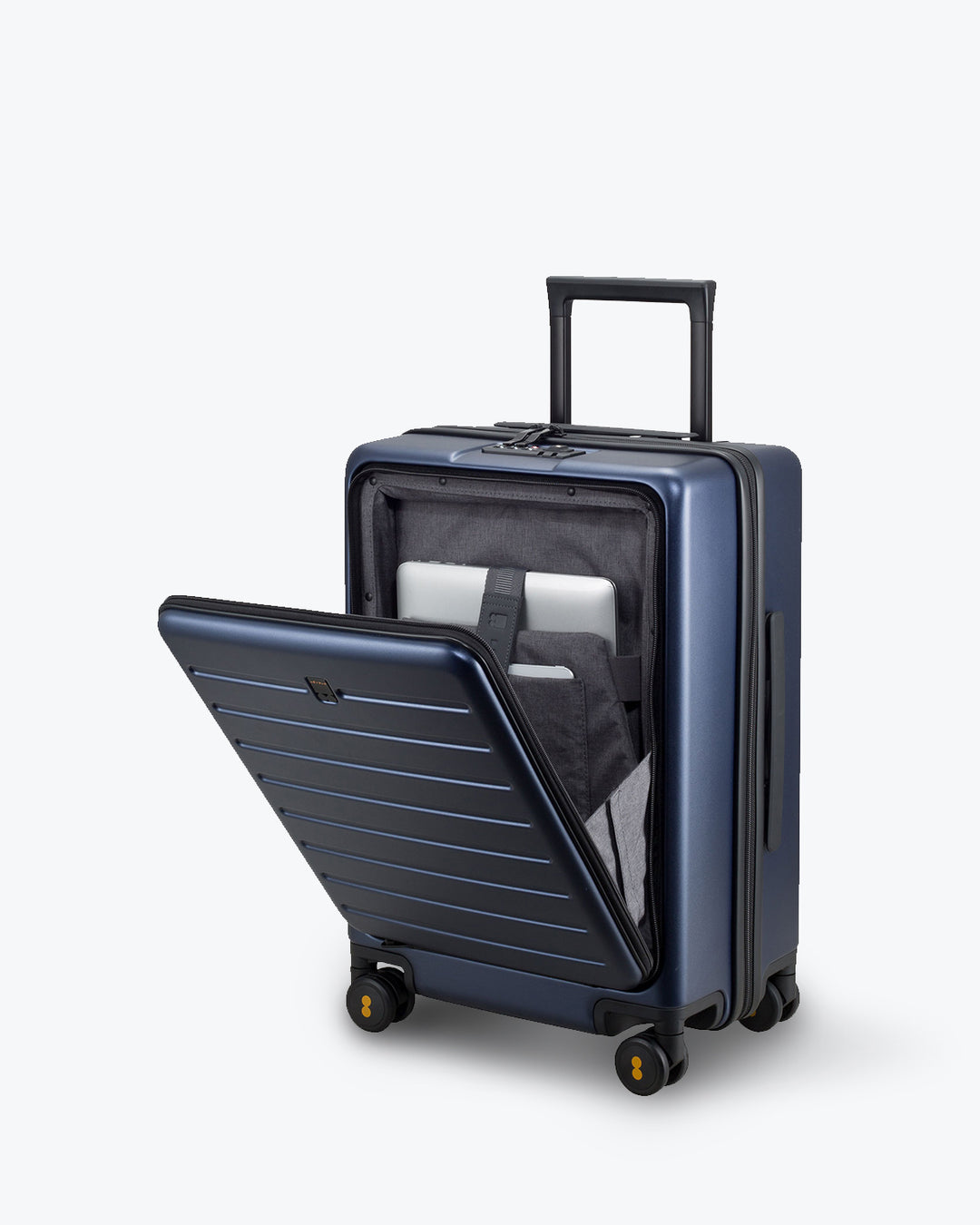
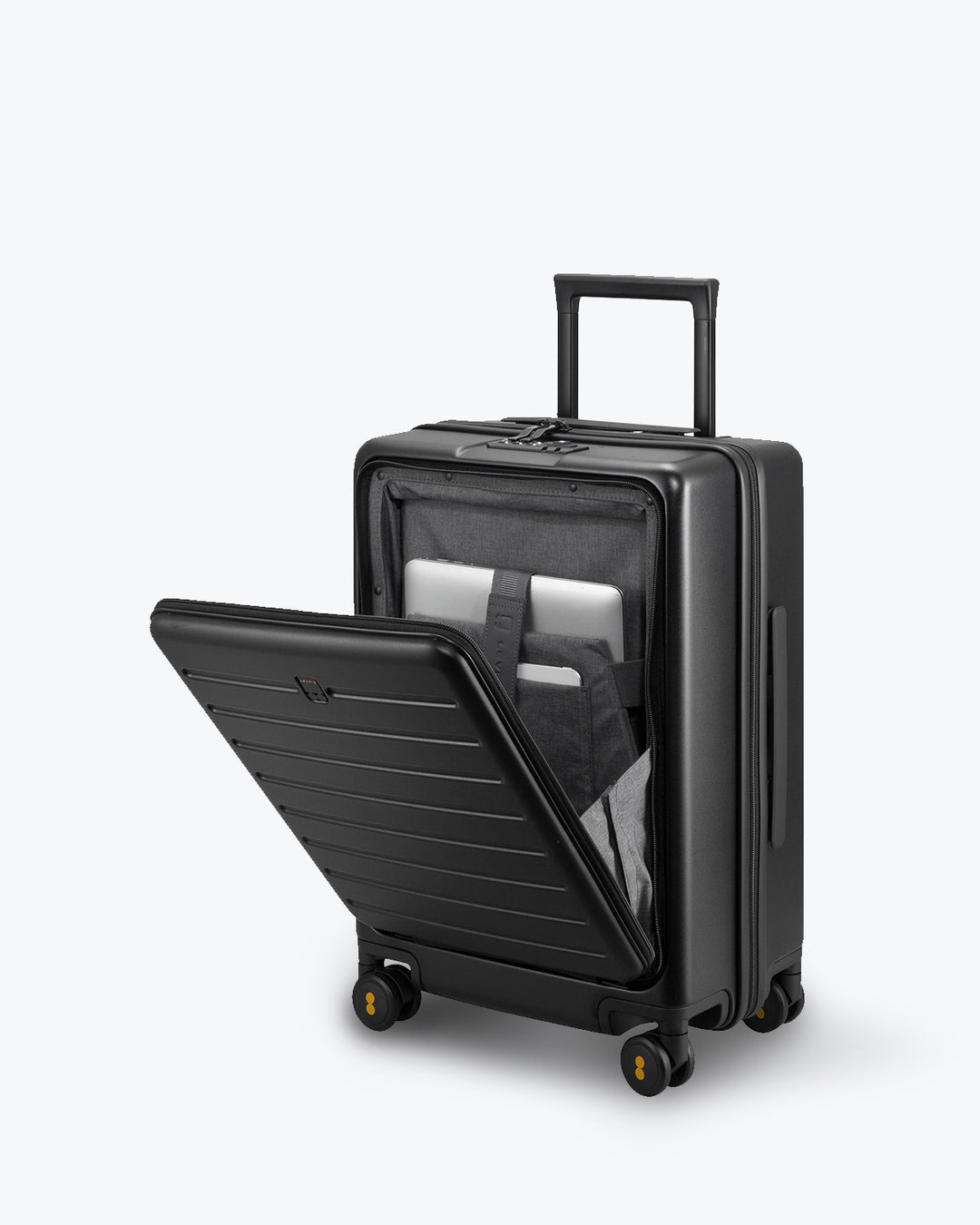
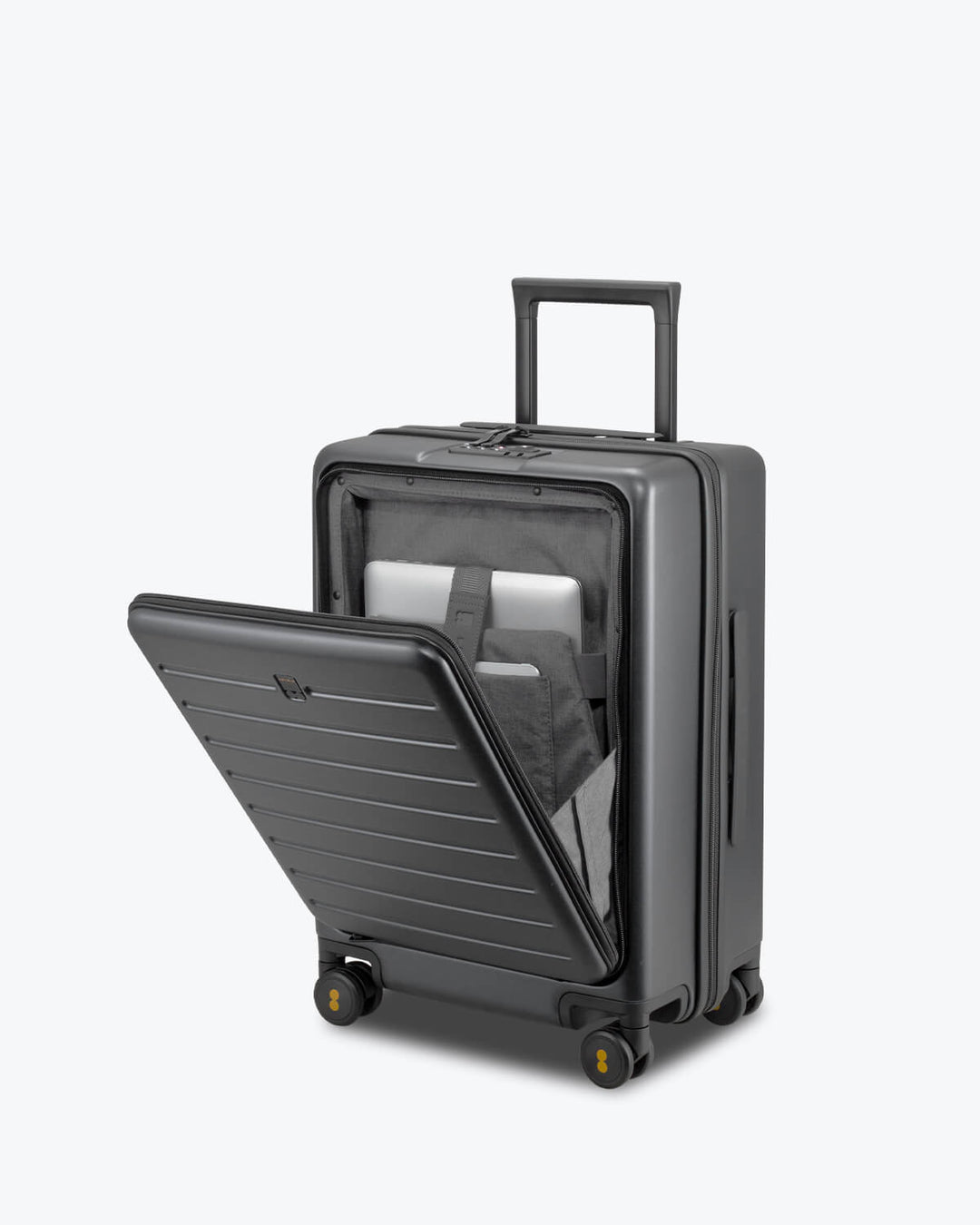
Our polycarbonate suitcases are a strong choice if you regularly move through airports, lift your own luggage, or want to keep the case itself from using too much of your baggage weight allowance. Collections such as Voyageur use German-made Makrolon® polycarbonate to combine durable hardside protection with practical travel weight.

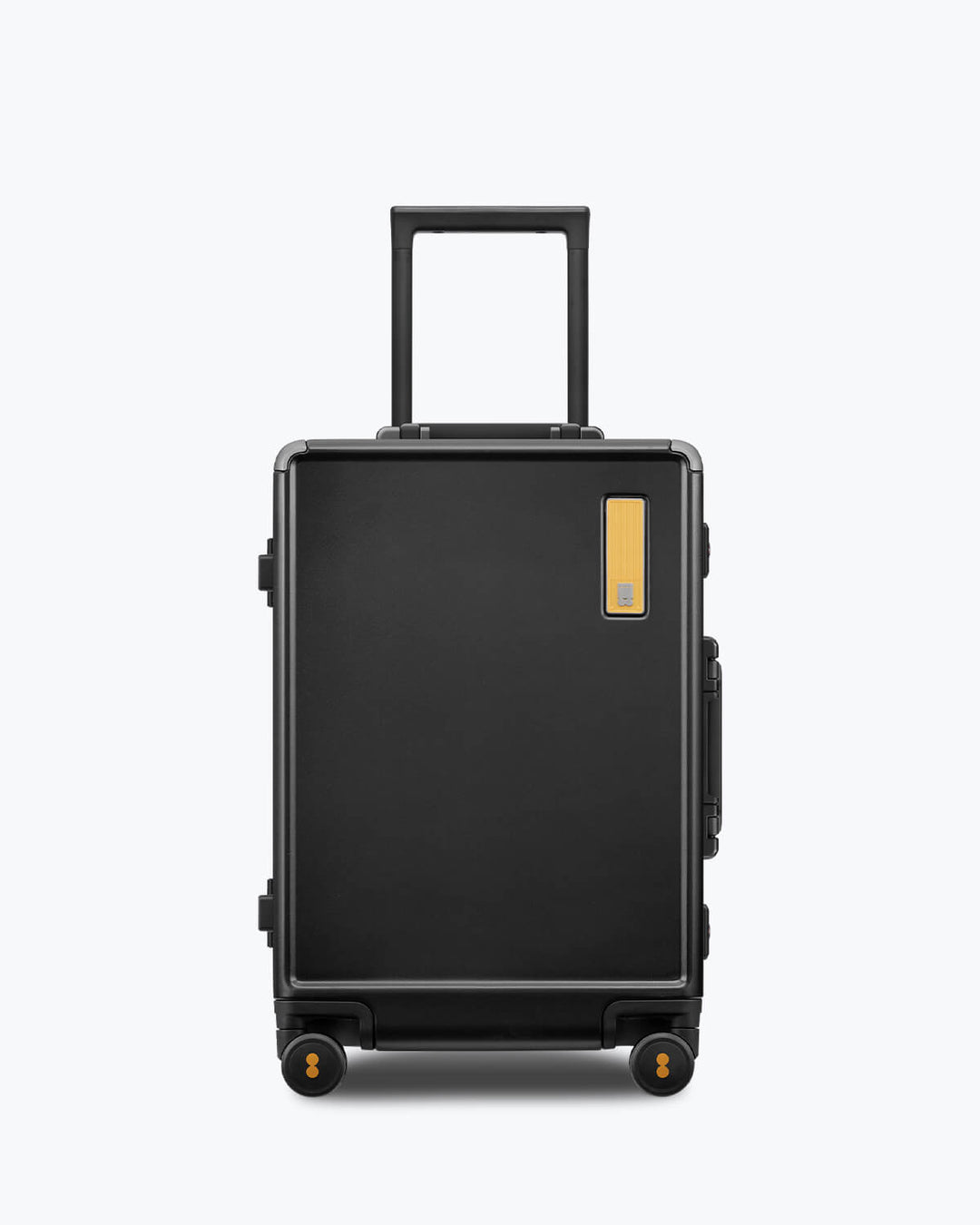
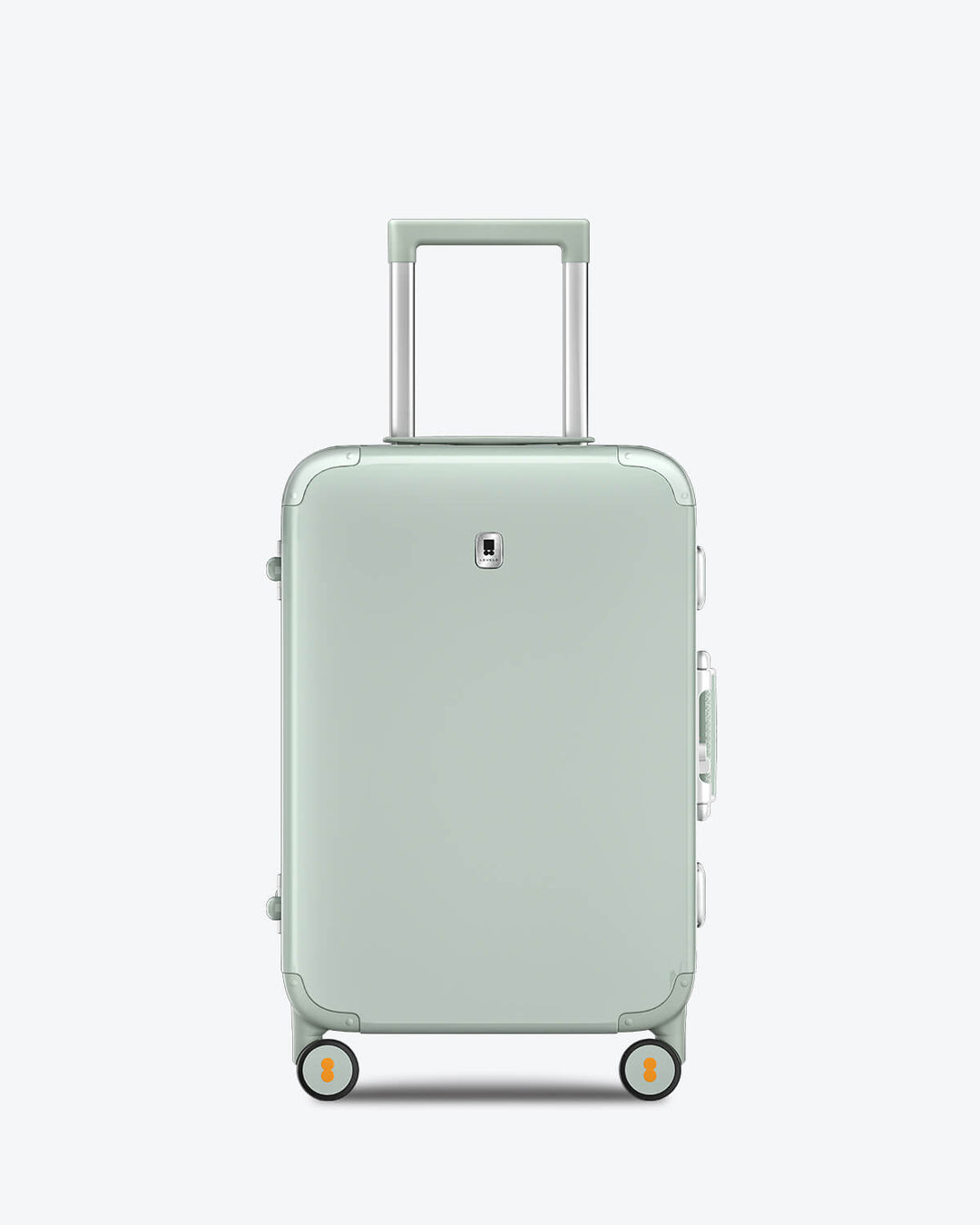
Aluminum is better suited to travelers who place greater value on a highly rigid shell and substantial construction. Our aluminum carry-ons use metal shells designed to maintain their shape and provide increased structural strength, although that construction also results in a heavier suitcase.

There is no universal winner. If lighter handling and everyday versatility are higher priorities, polycarbonate will usually be the more practical starting point. If rigidity and premium metal construction matter more than suitcase weight, aluminum may be the better fit.

Why Choose LEVEL8 Polycarbonate Luggage?

The best polycarbonate luggage should do more than use the right shell material. How the suitcase packs, rolls, handles, and protects your belongings all affect the experience once you leave home. Our polycarbonate collections combine durable hardside construction with travel-focused features designed around different packing styles and trip lengths.

Lightweight Strength for Everyday Travel

Select LEVEL8 luggage uses German-made Makrolon® polycarbonate, giving the shell a balance of durability and manageable weight. It provides structured protection without making the suitcase unnecessarily heavy before you begin packing.

Packing Layouts for Different Travelers

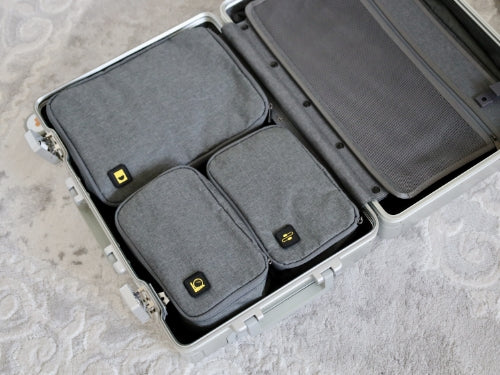
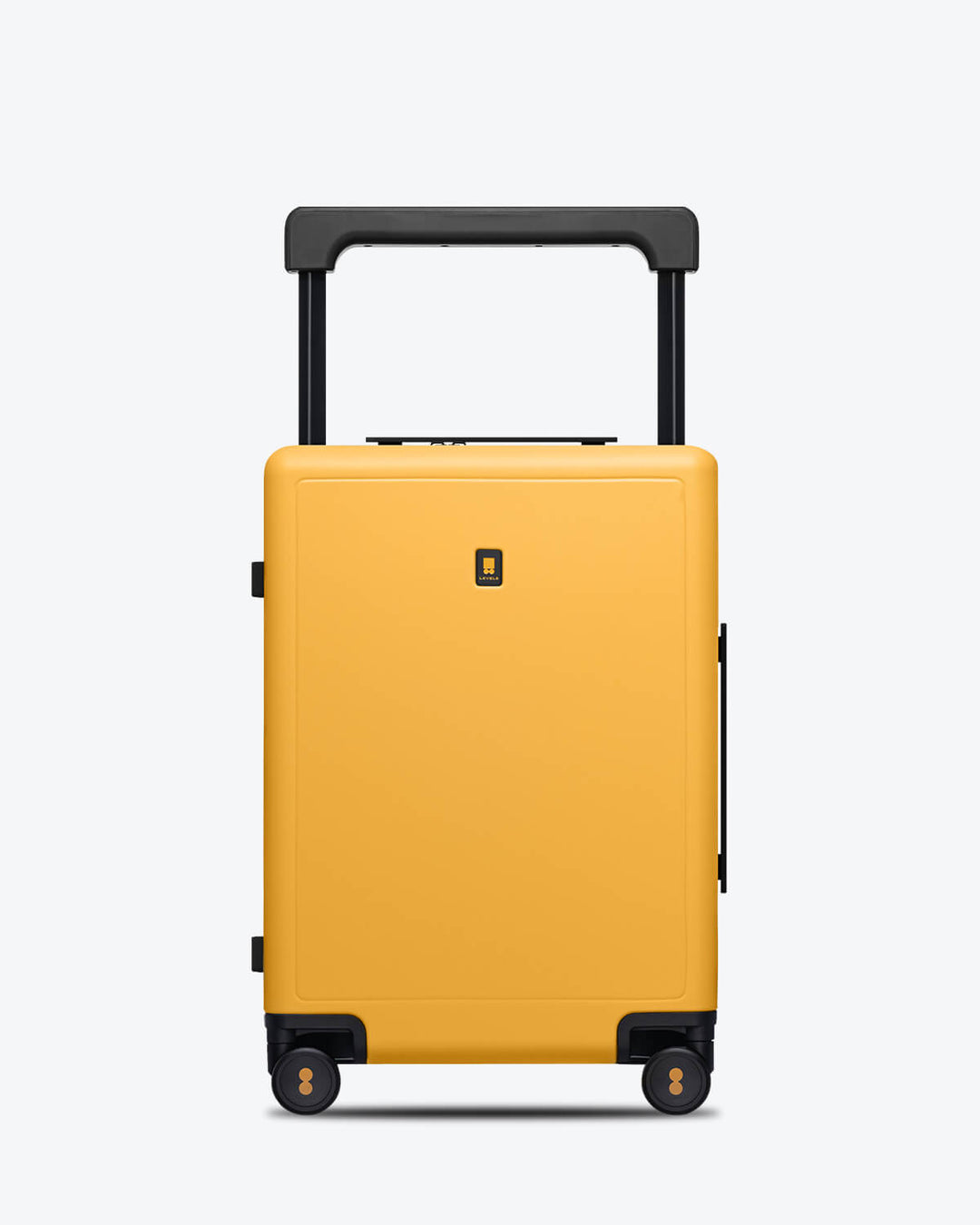
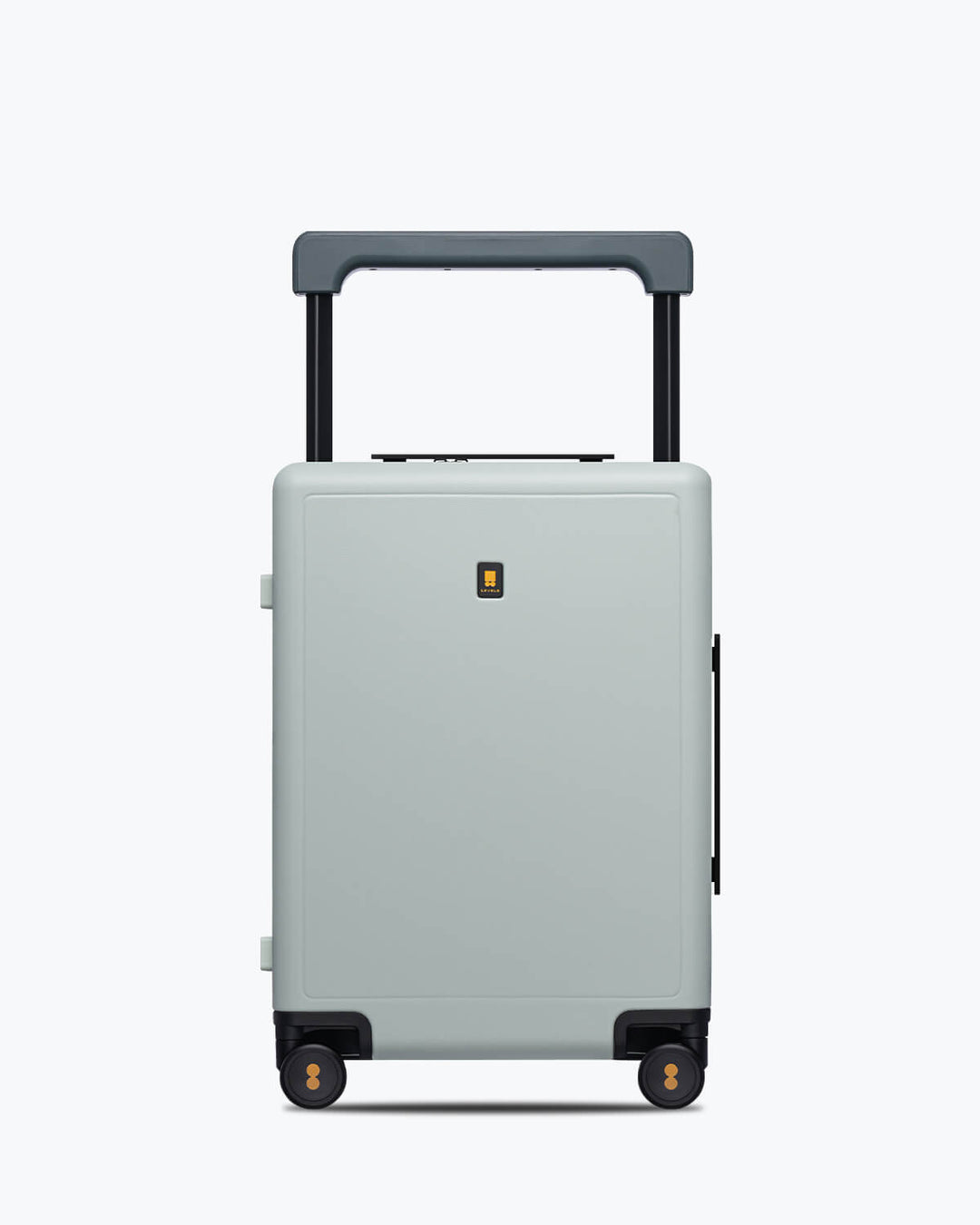
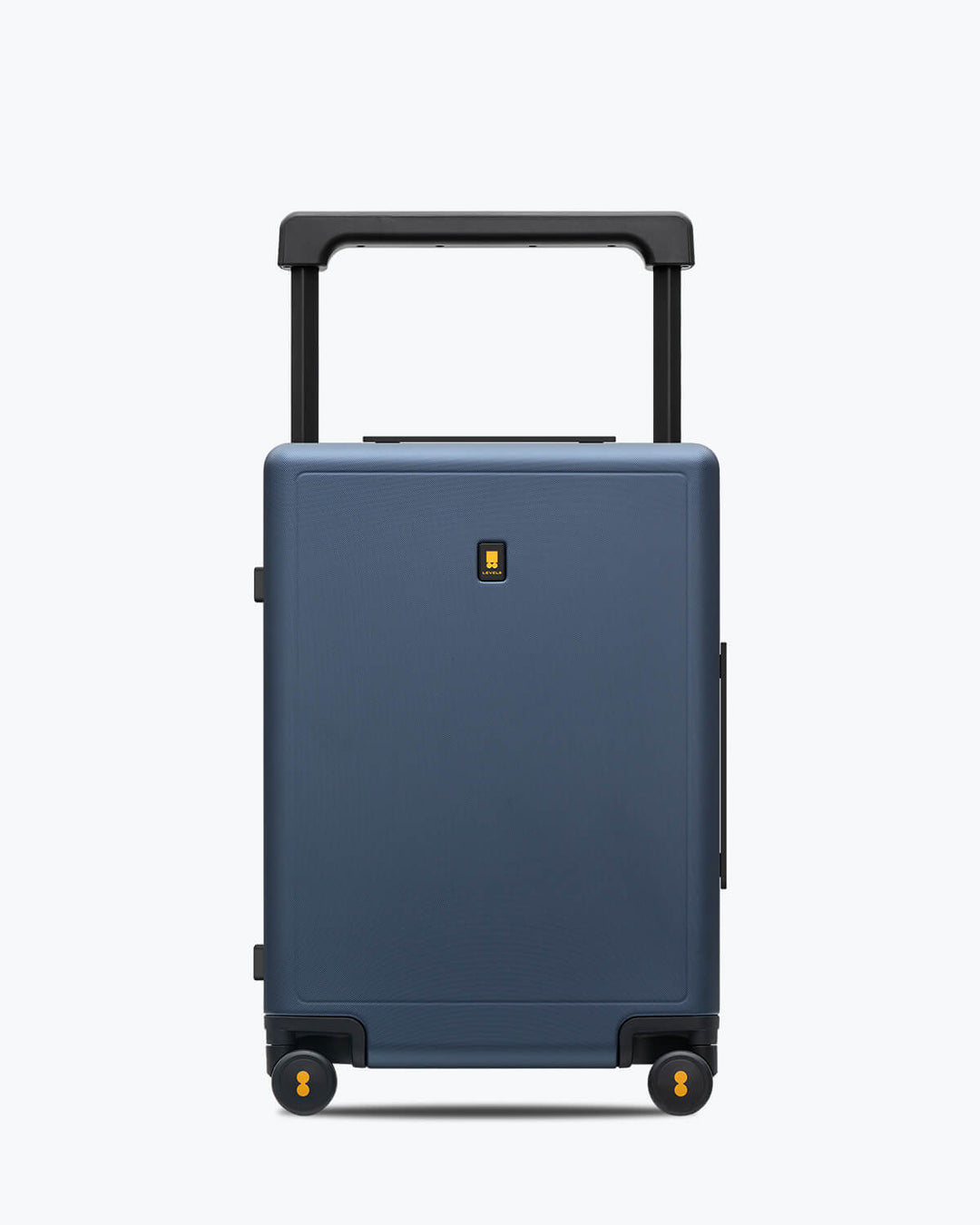
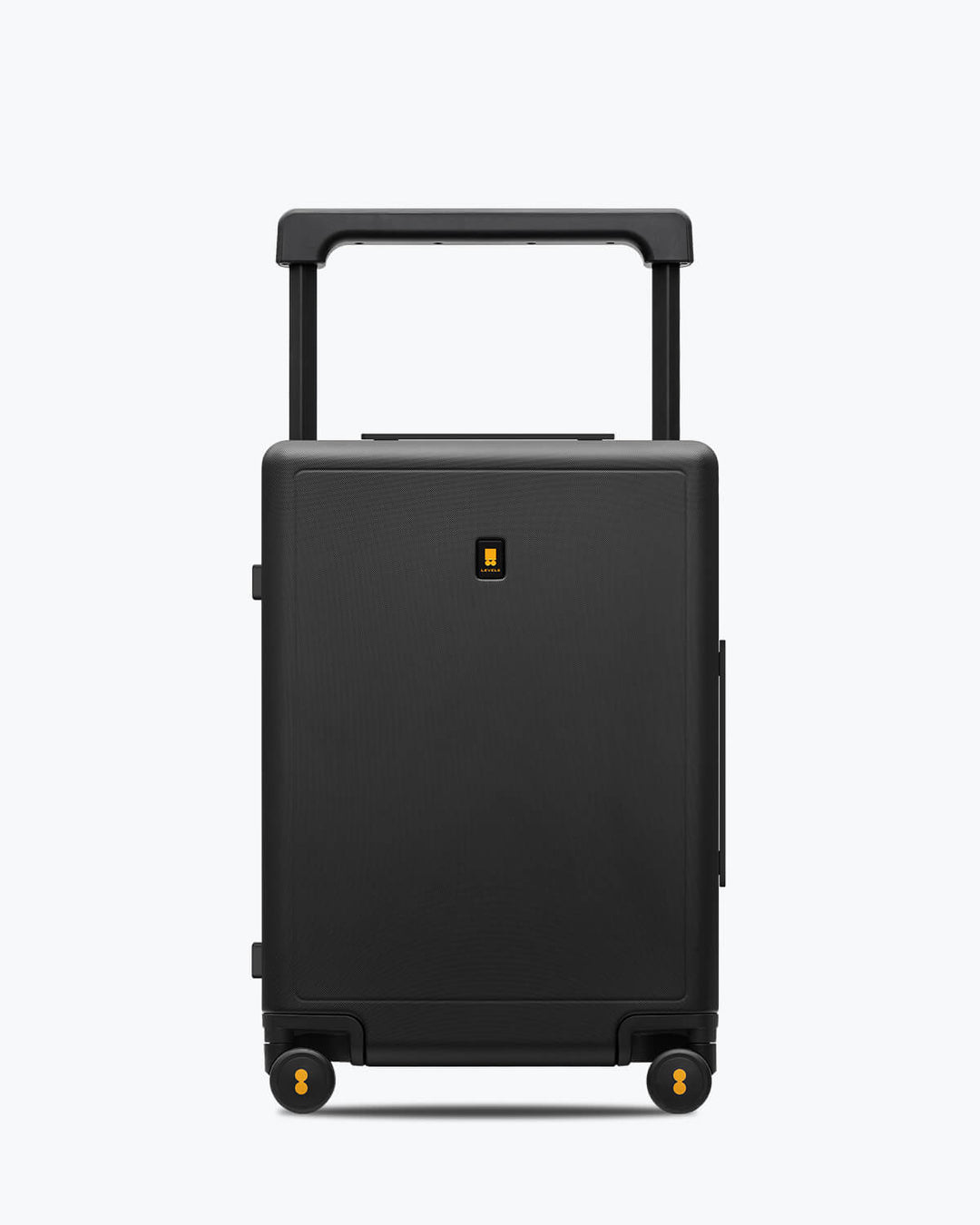
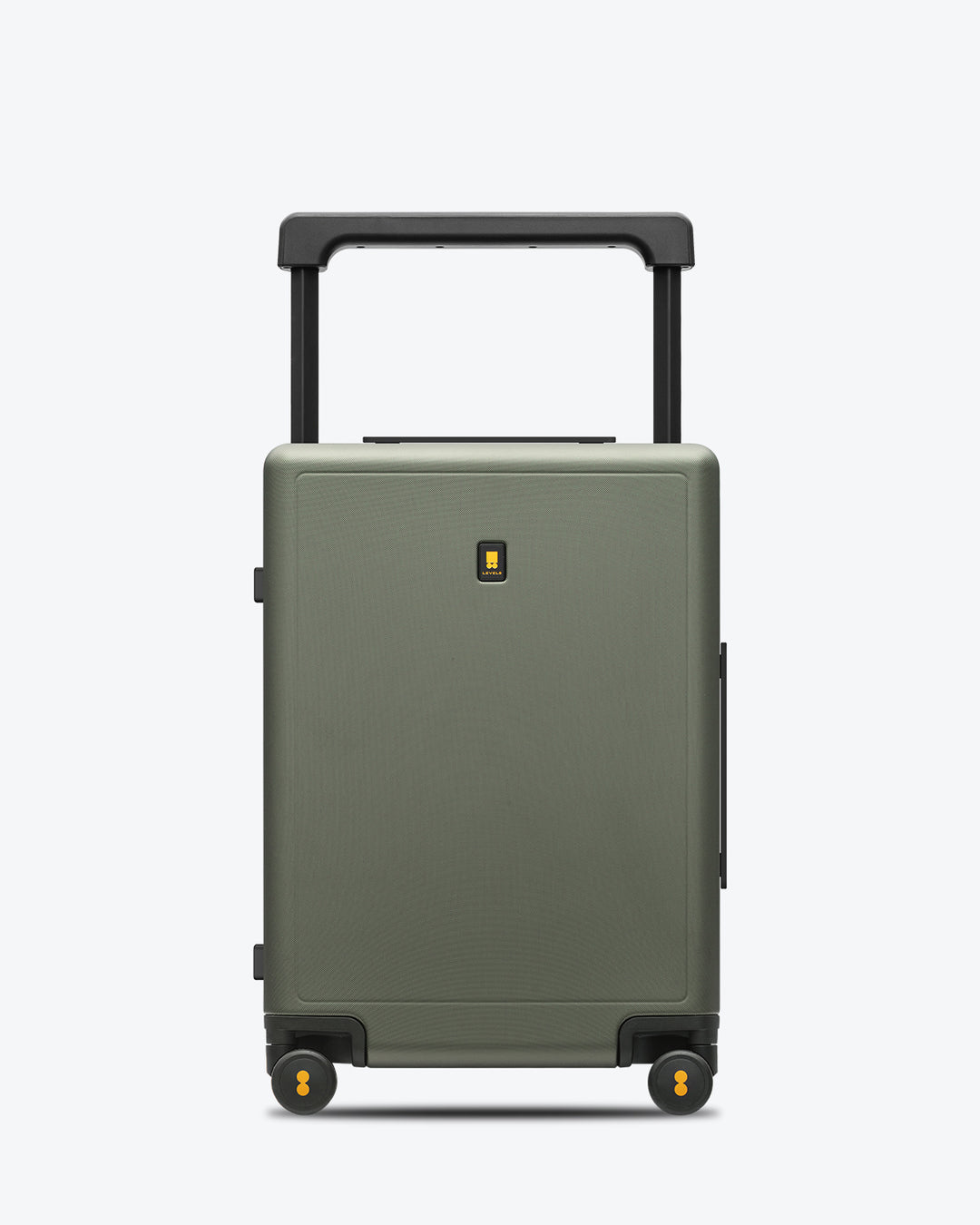
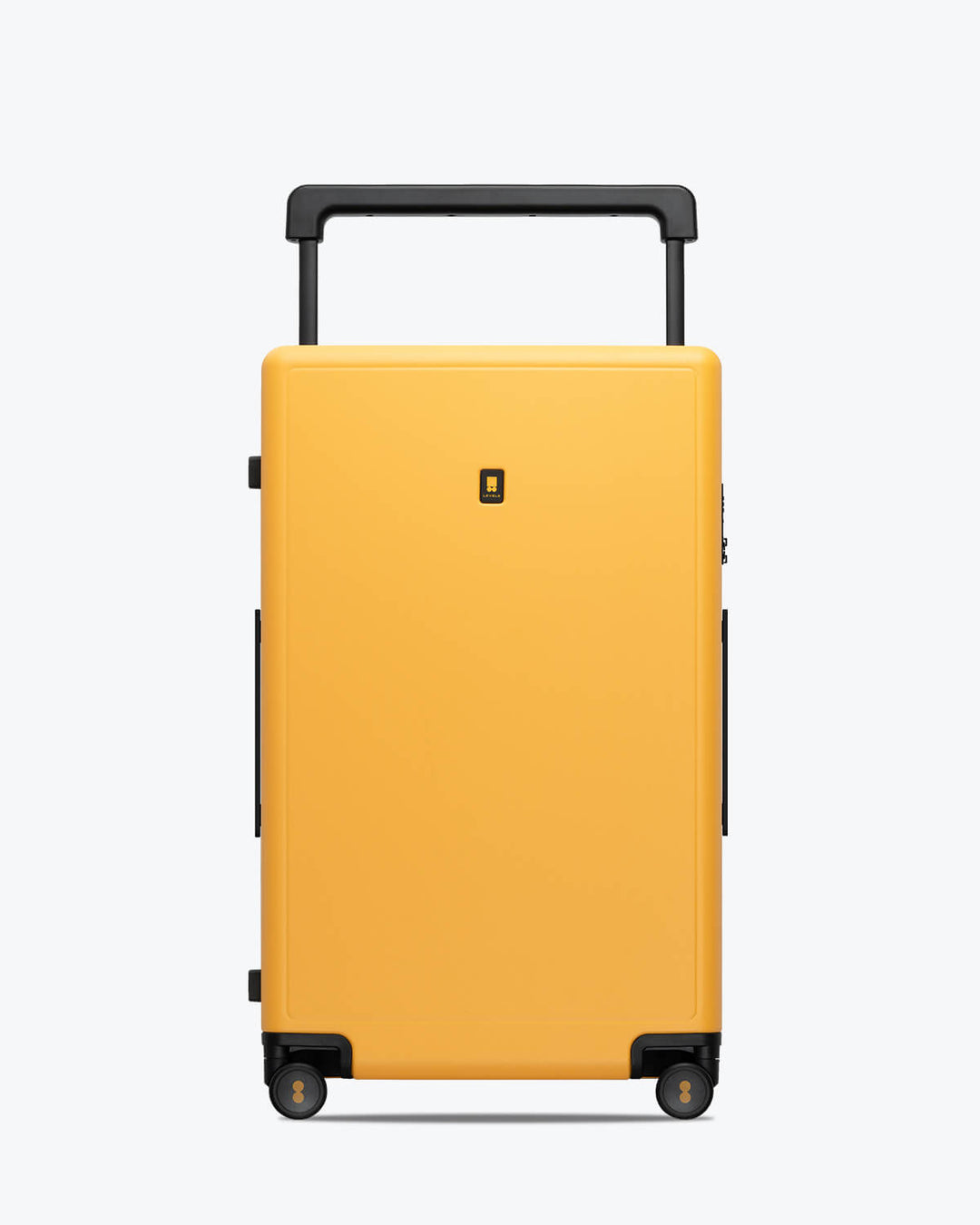
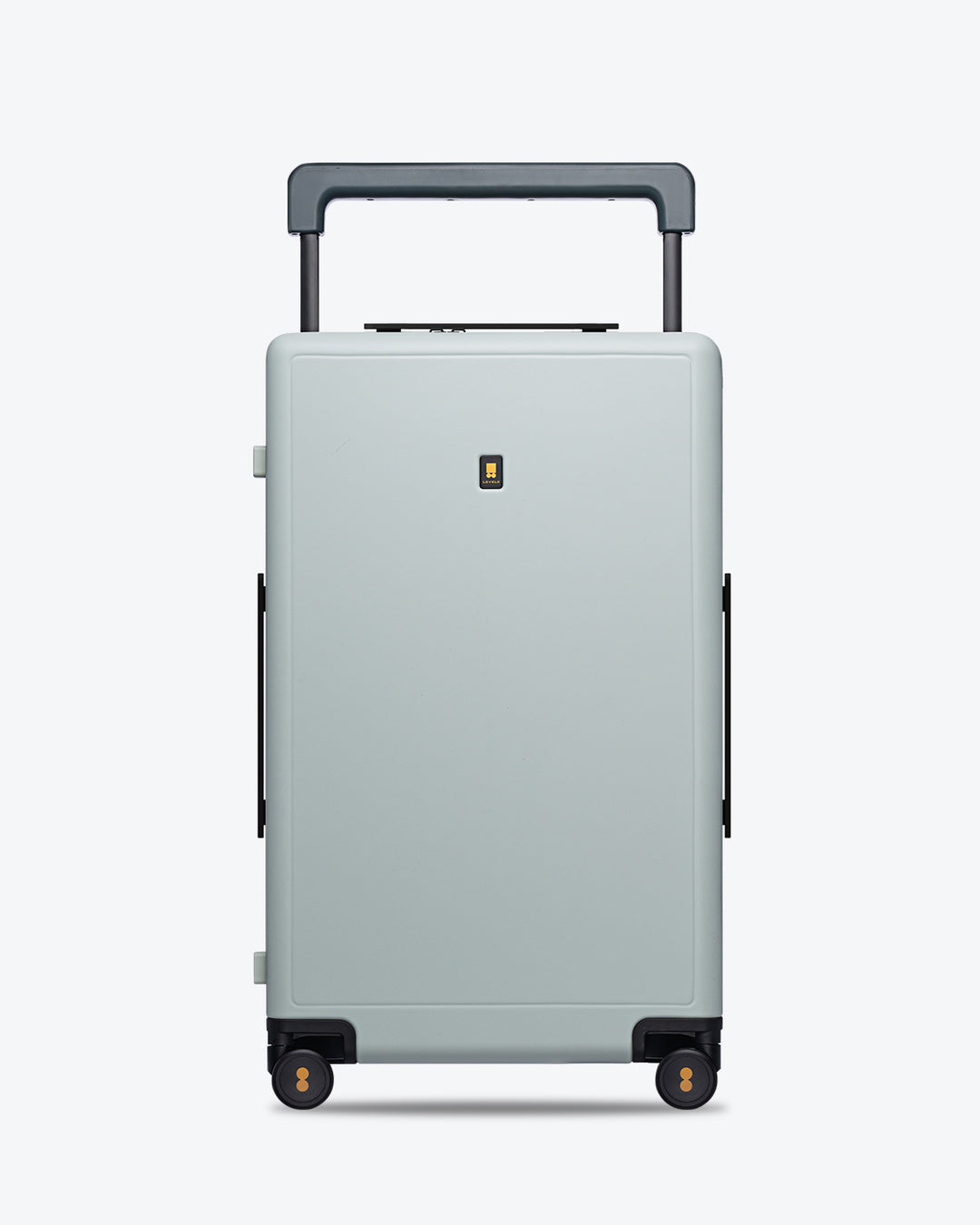
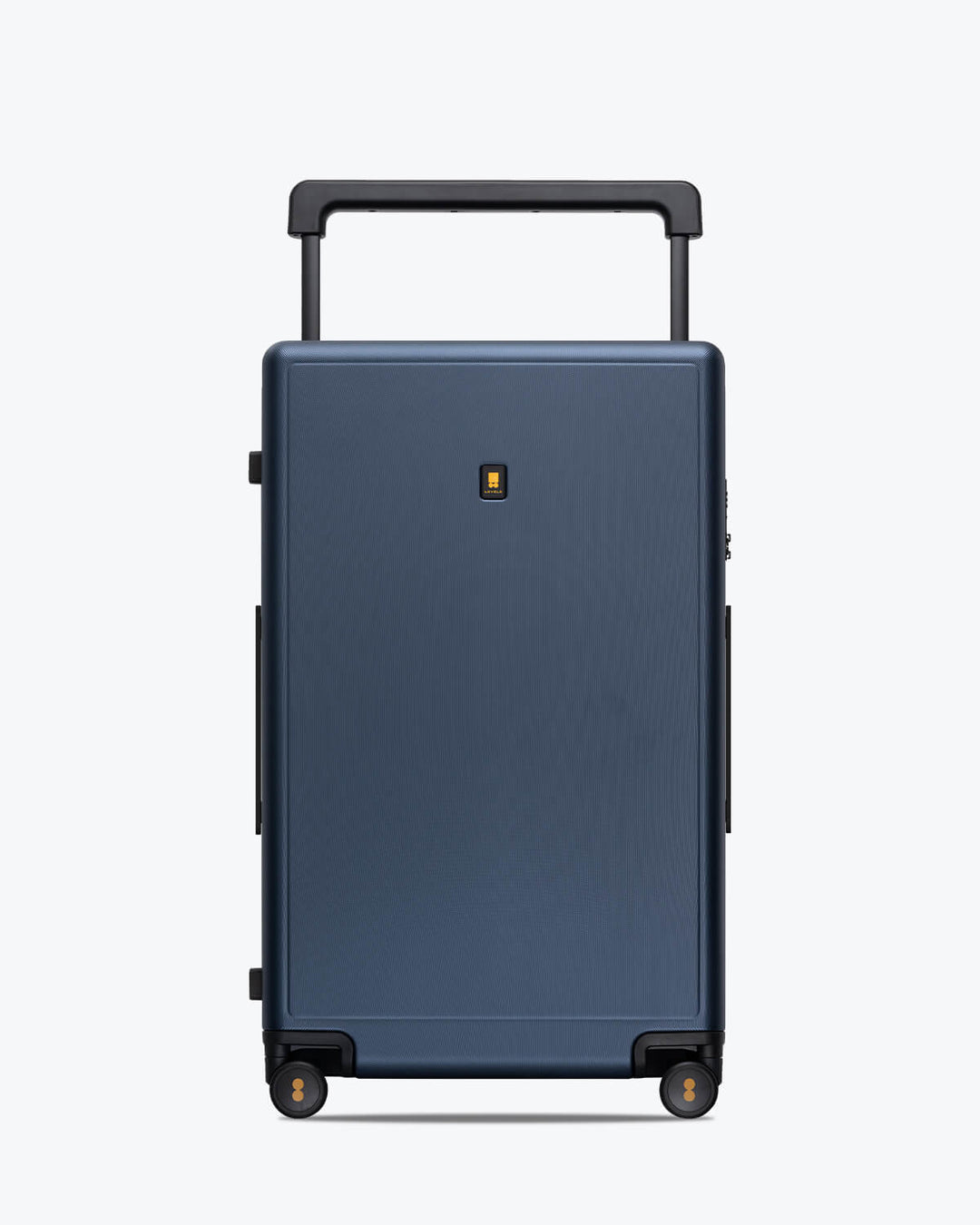
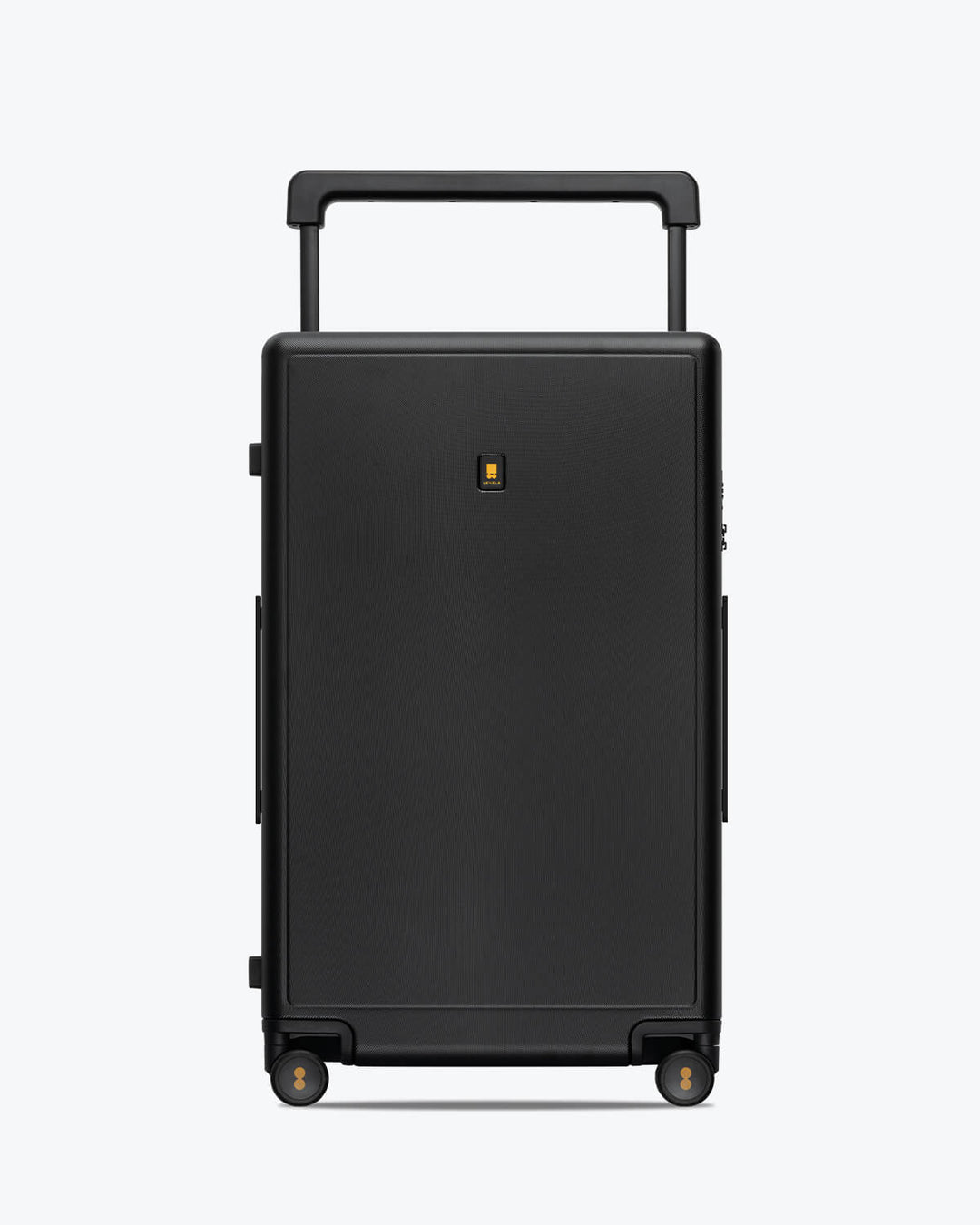
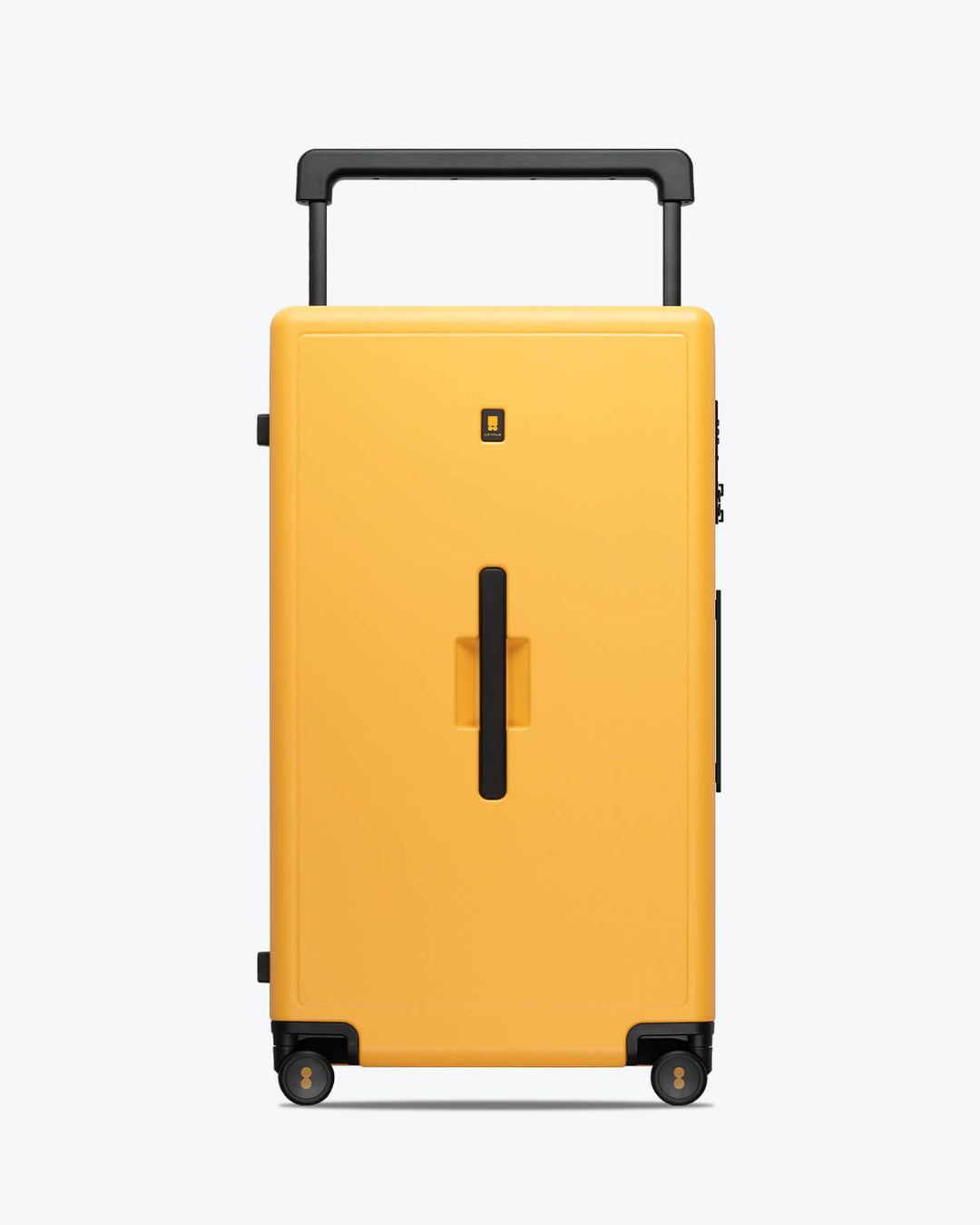
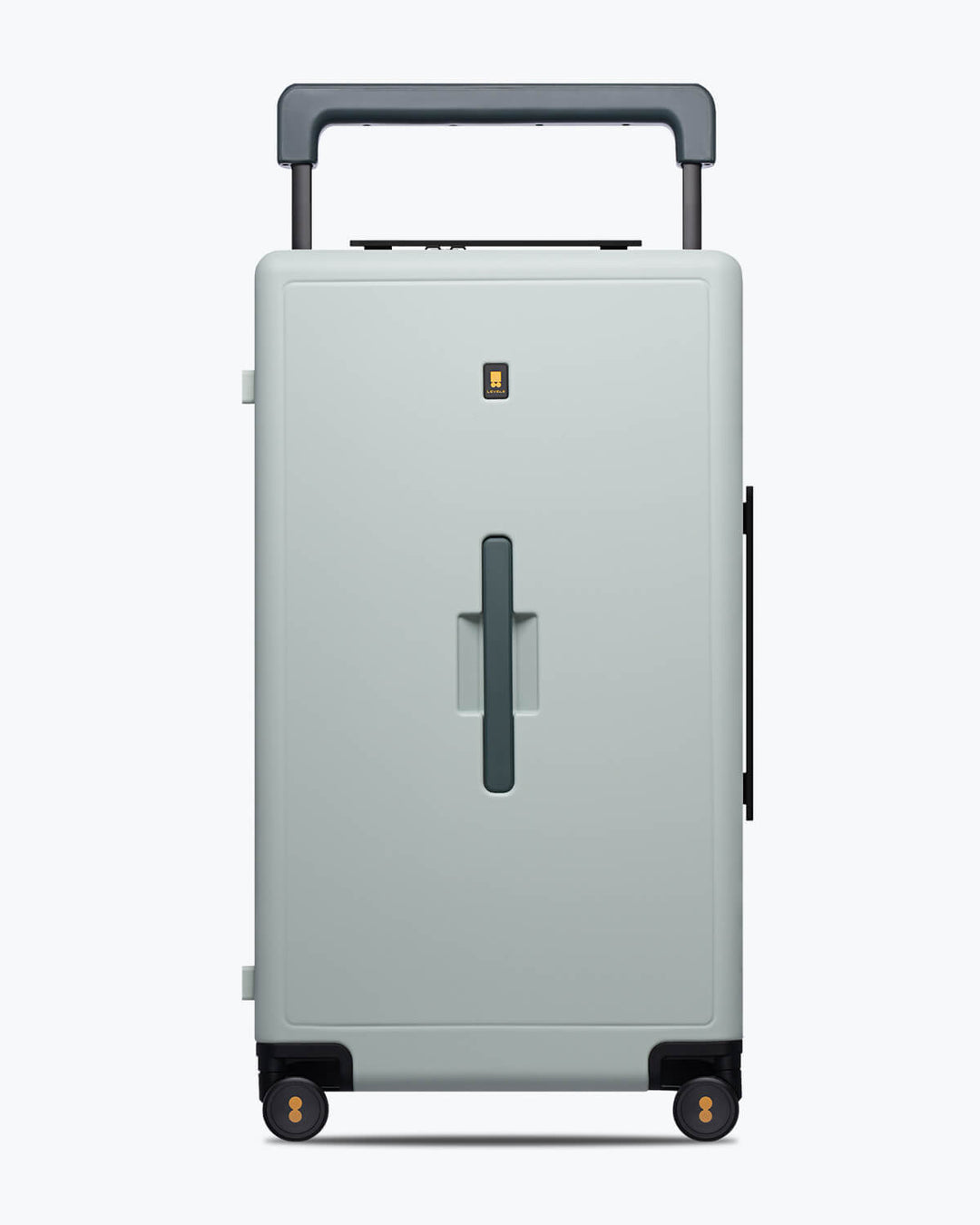
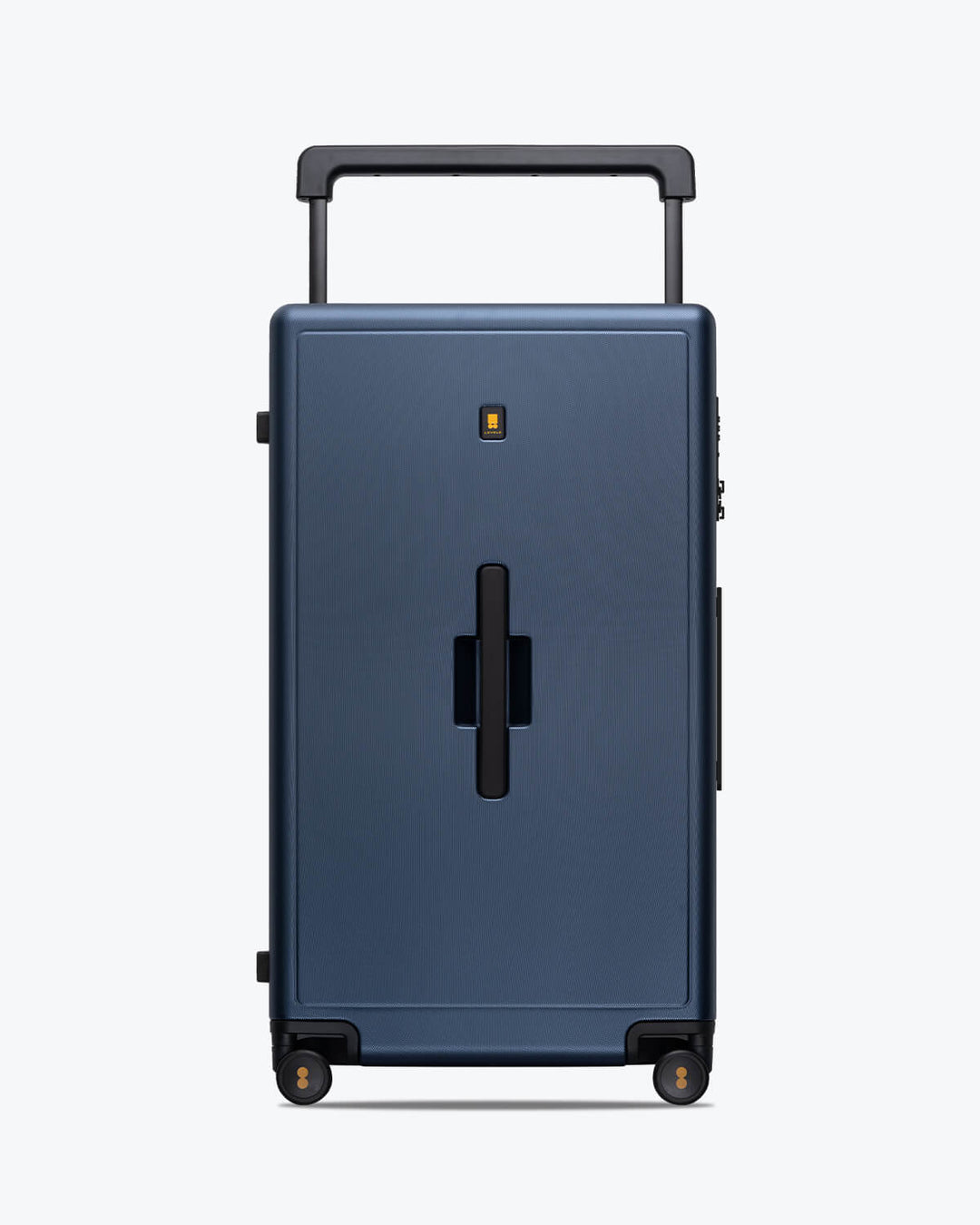
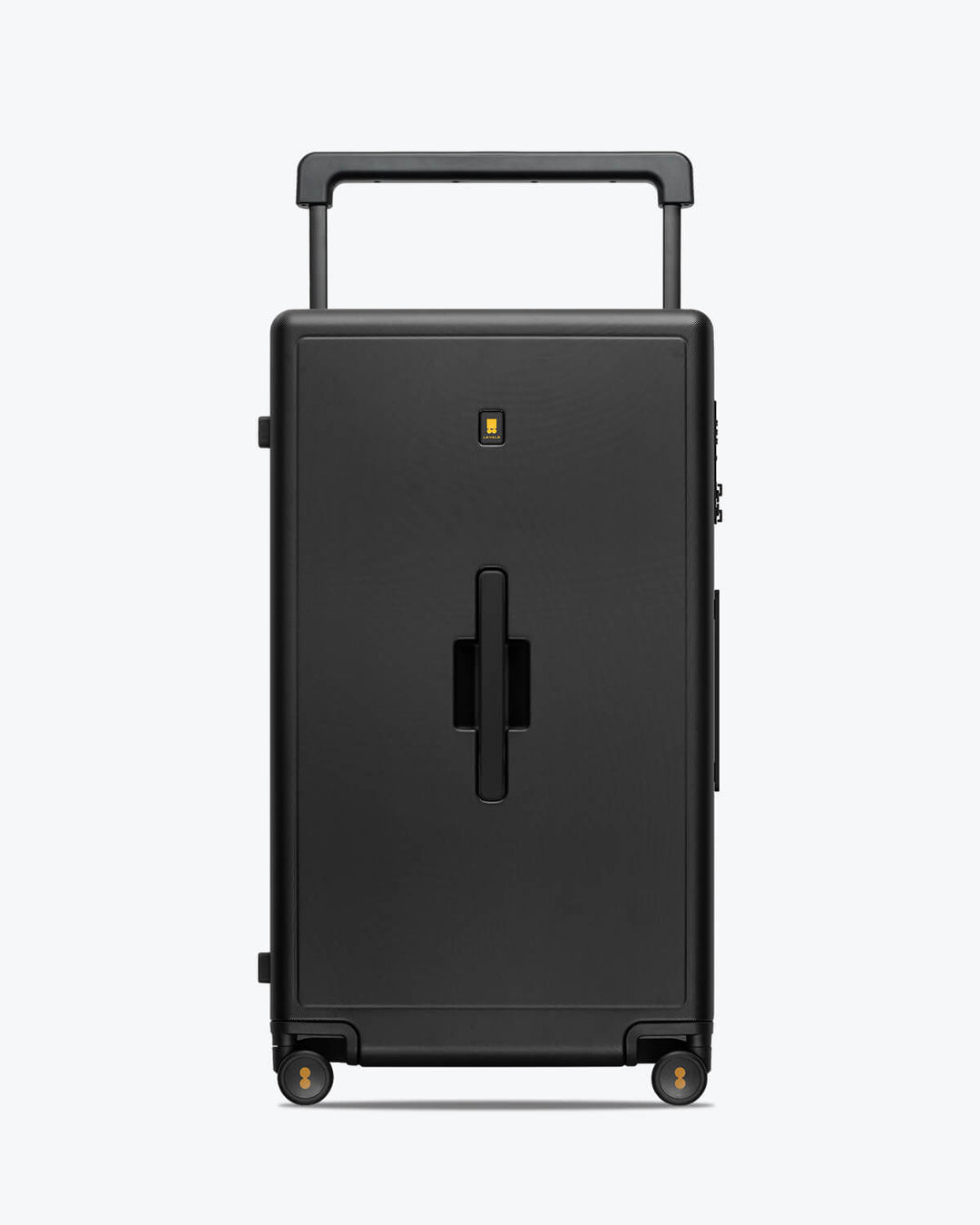
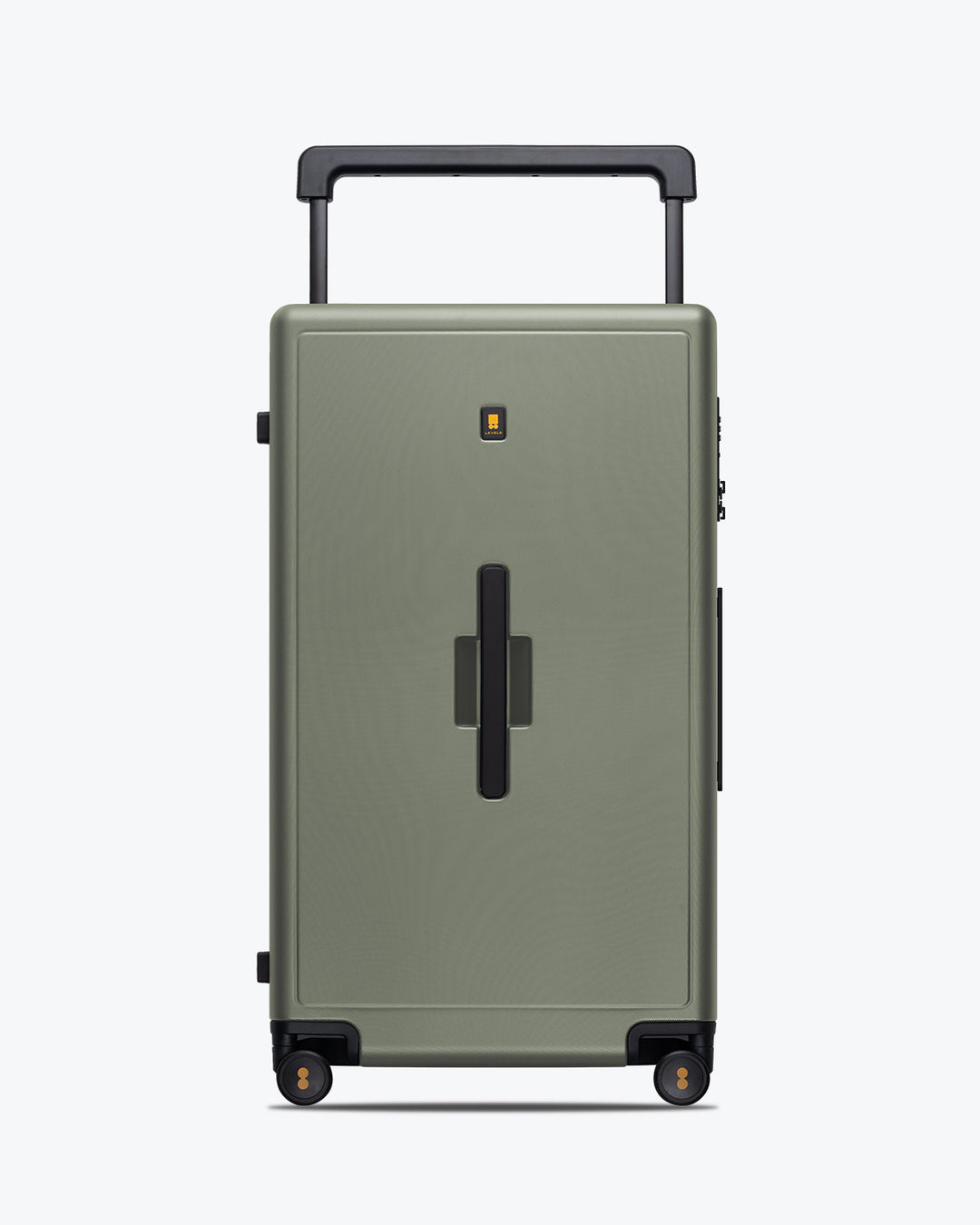
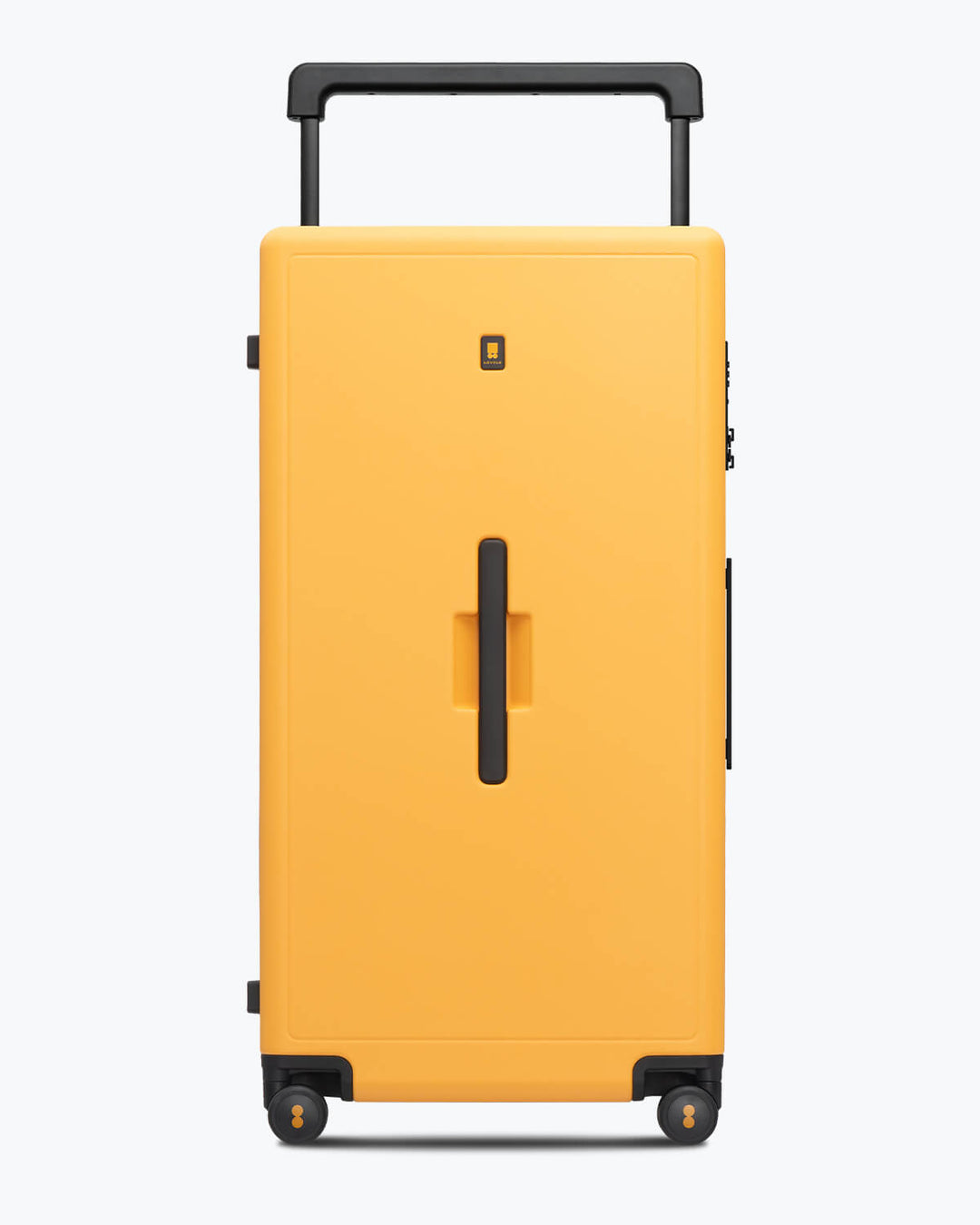
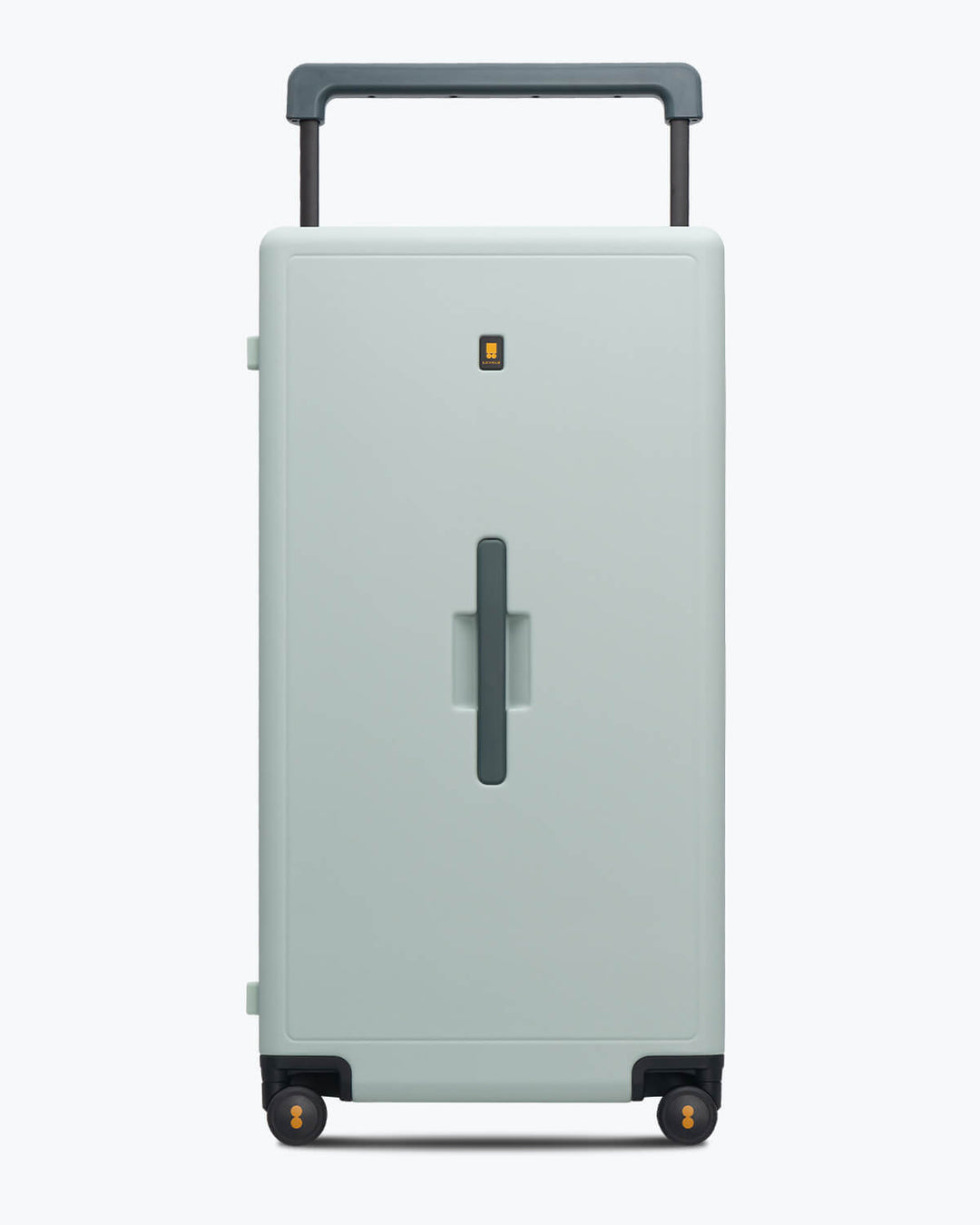
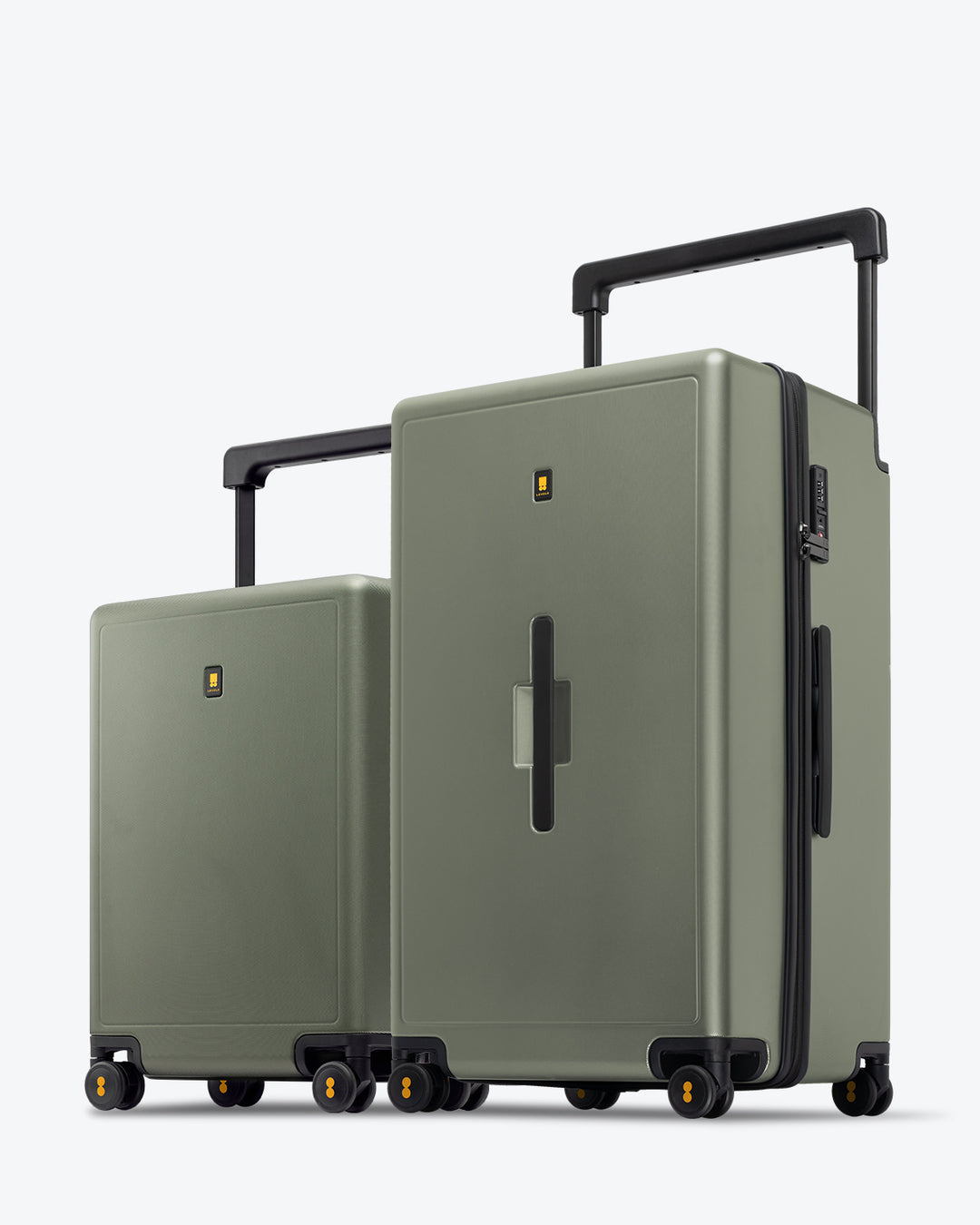
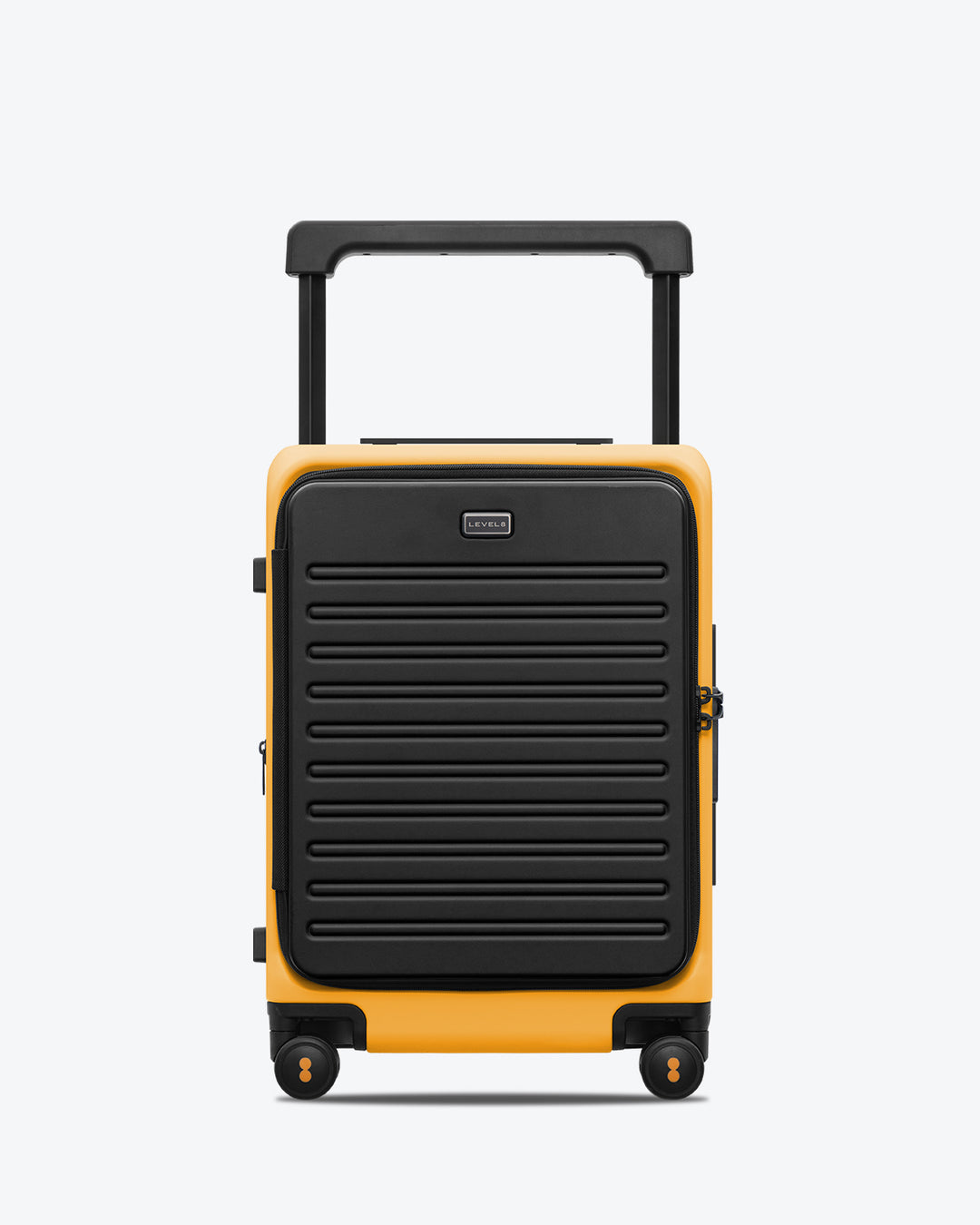
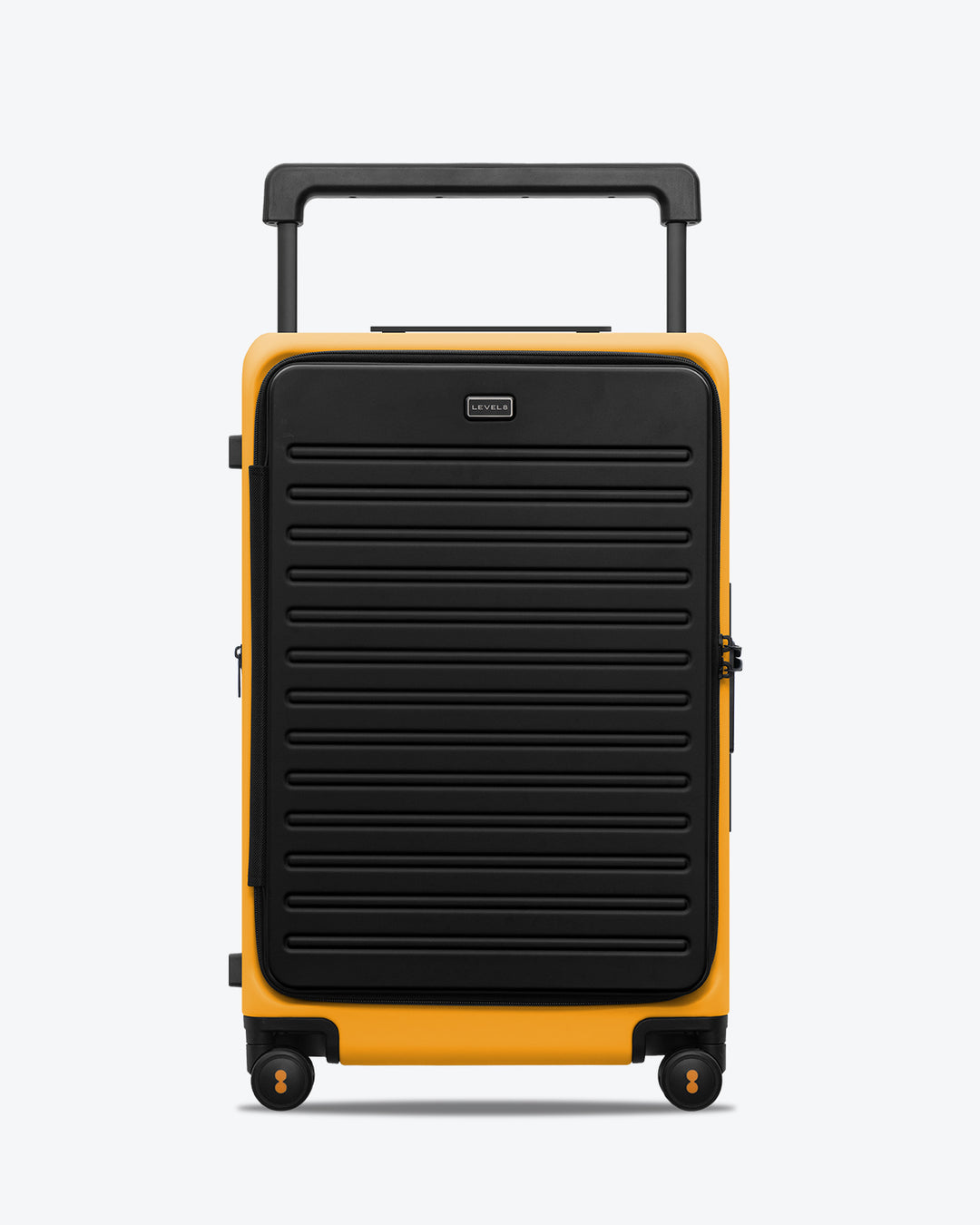
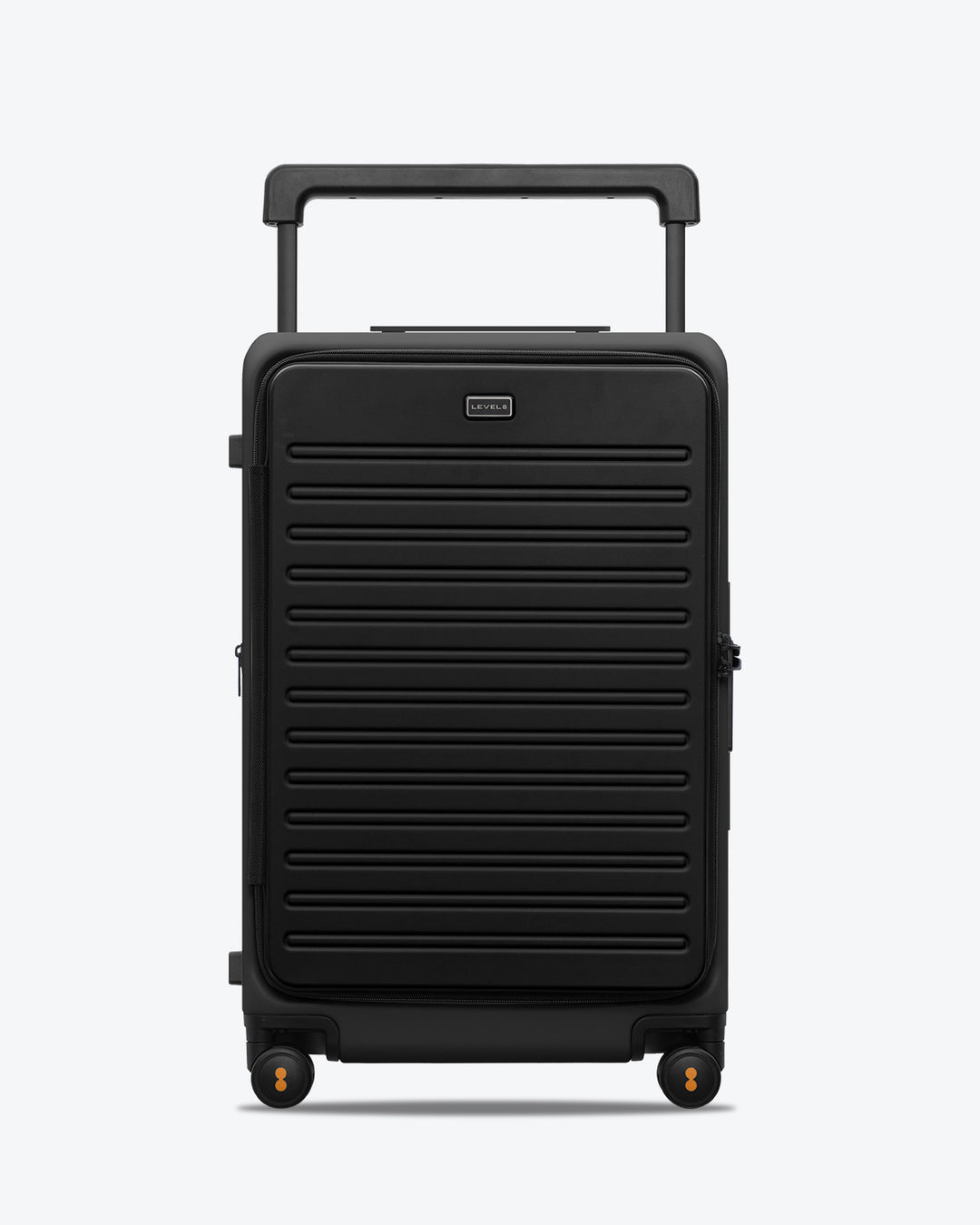
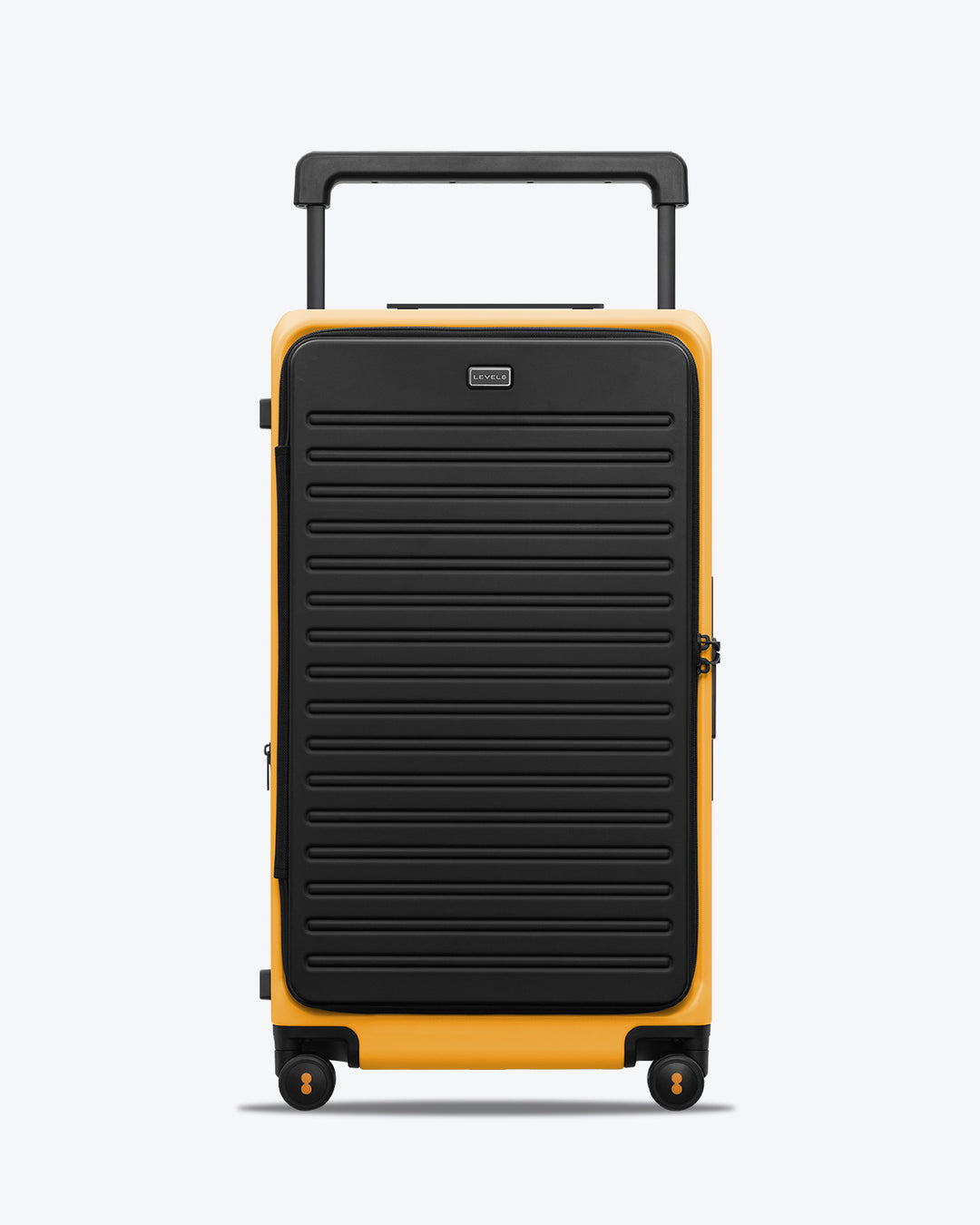
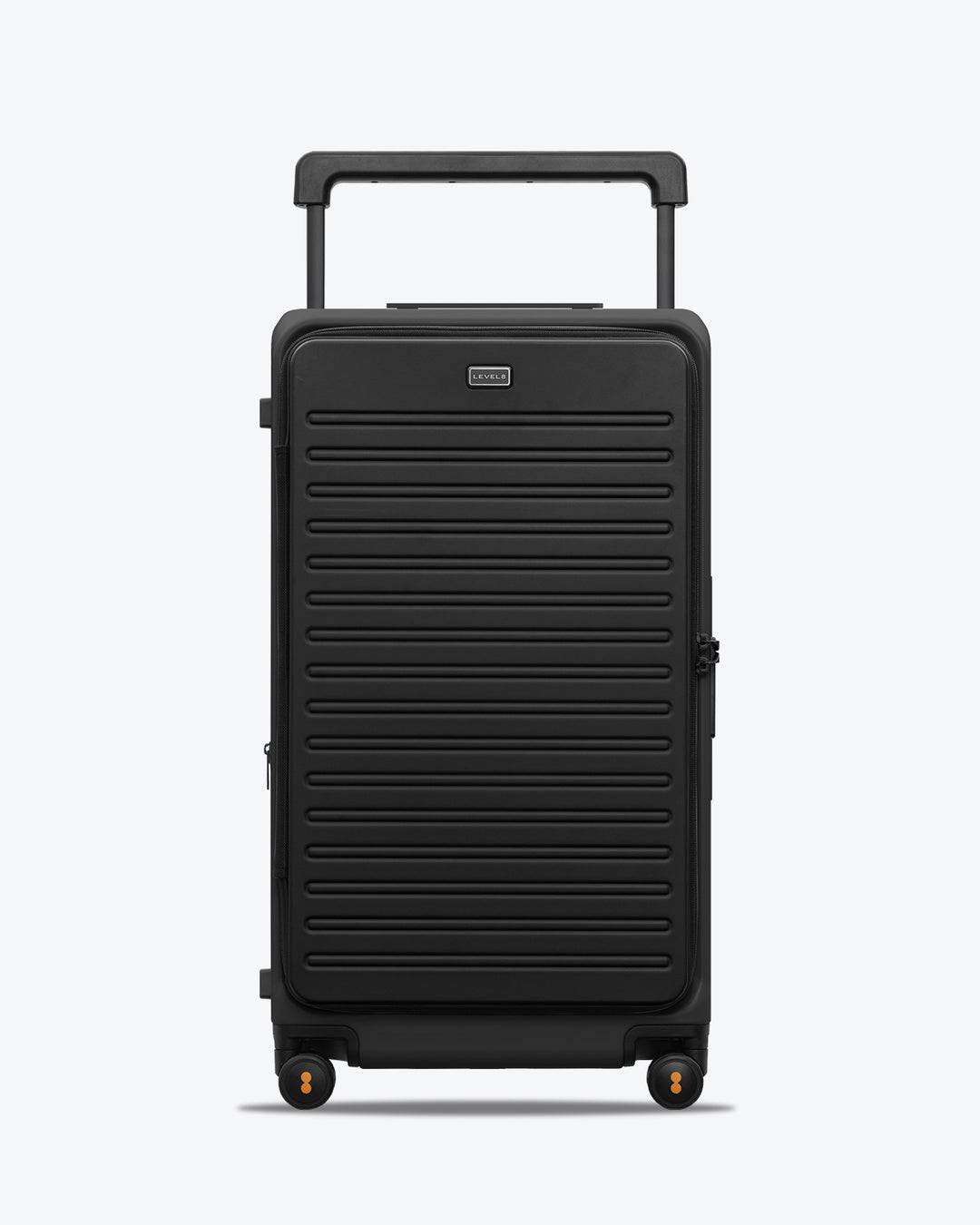
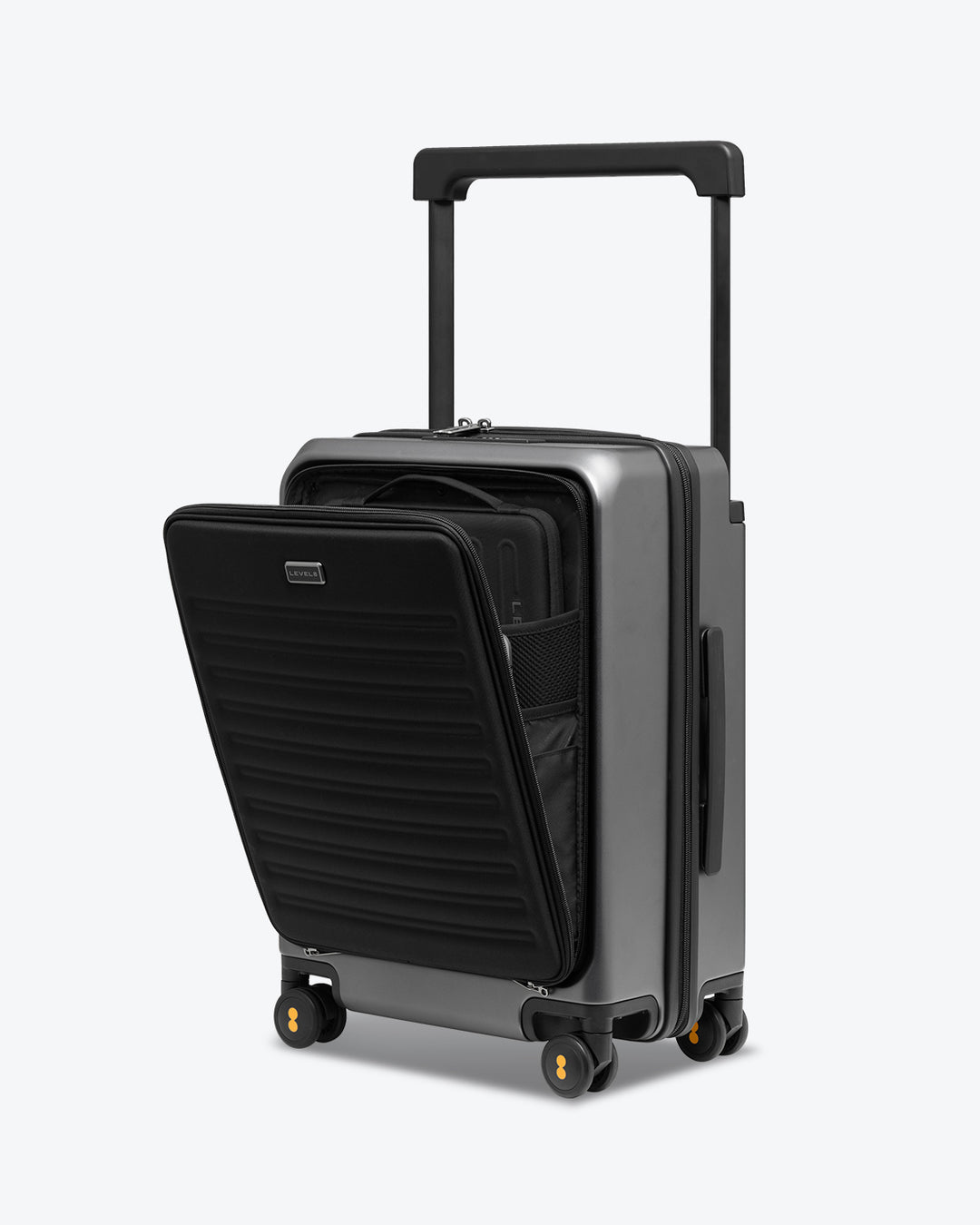
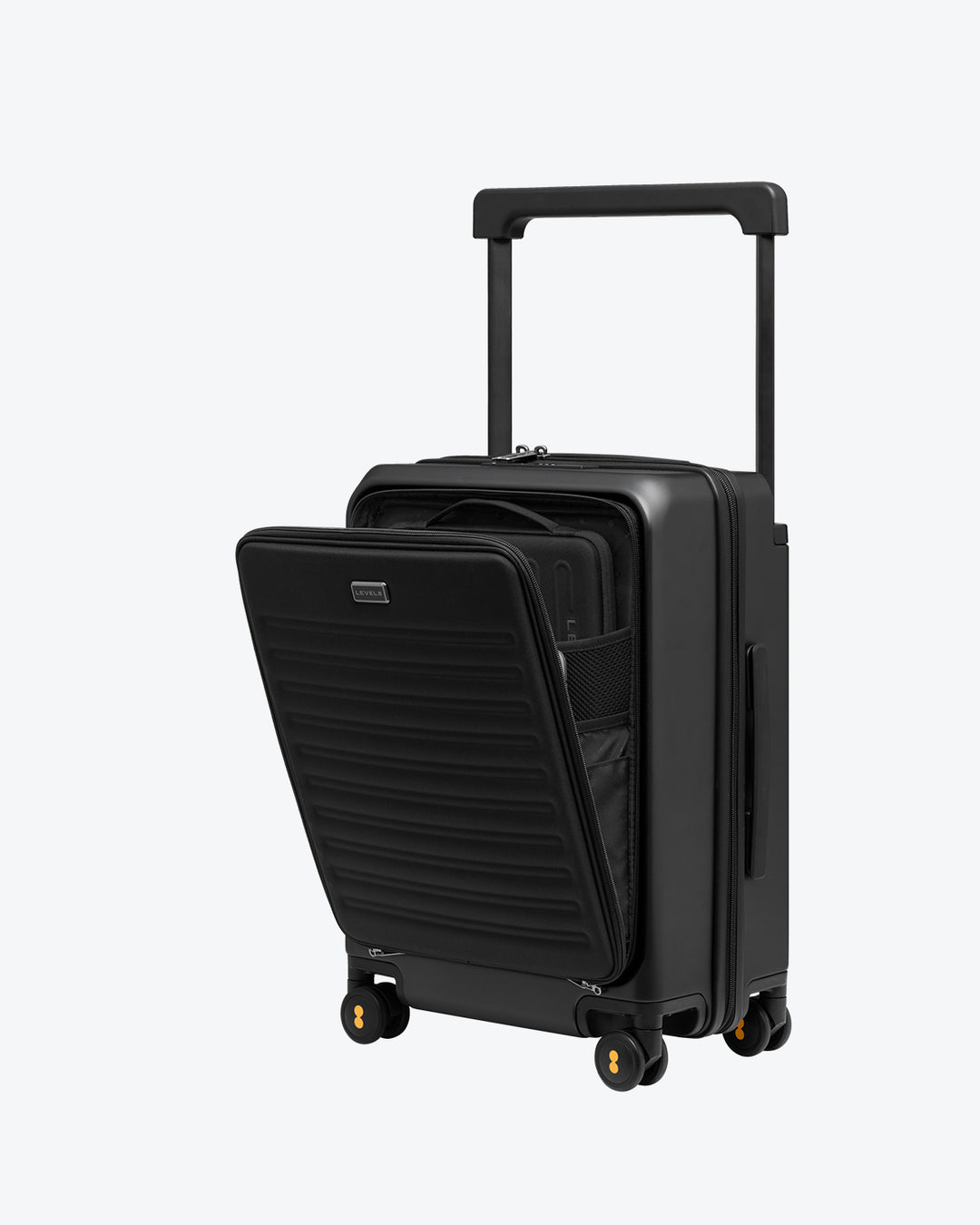
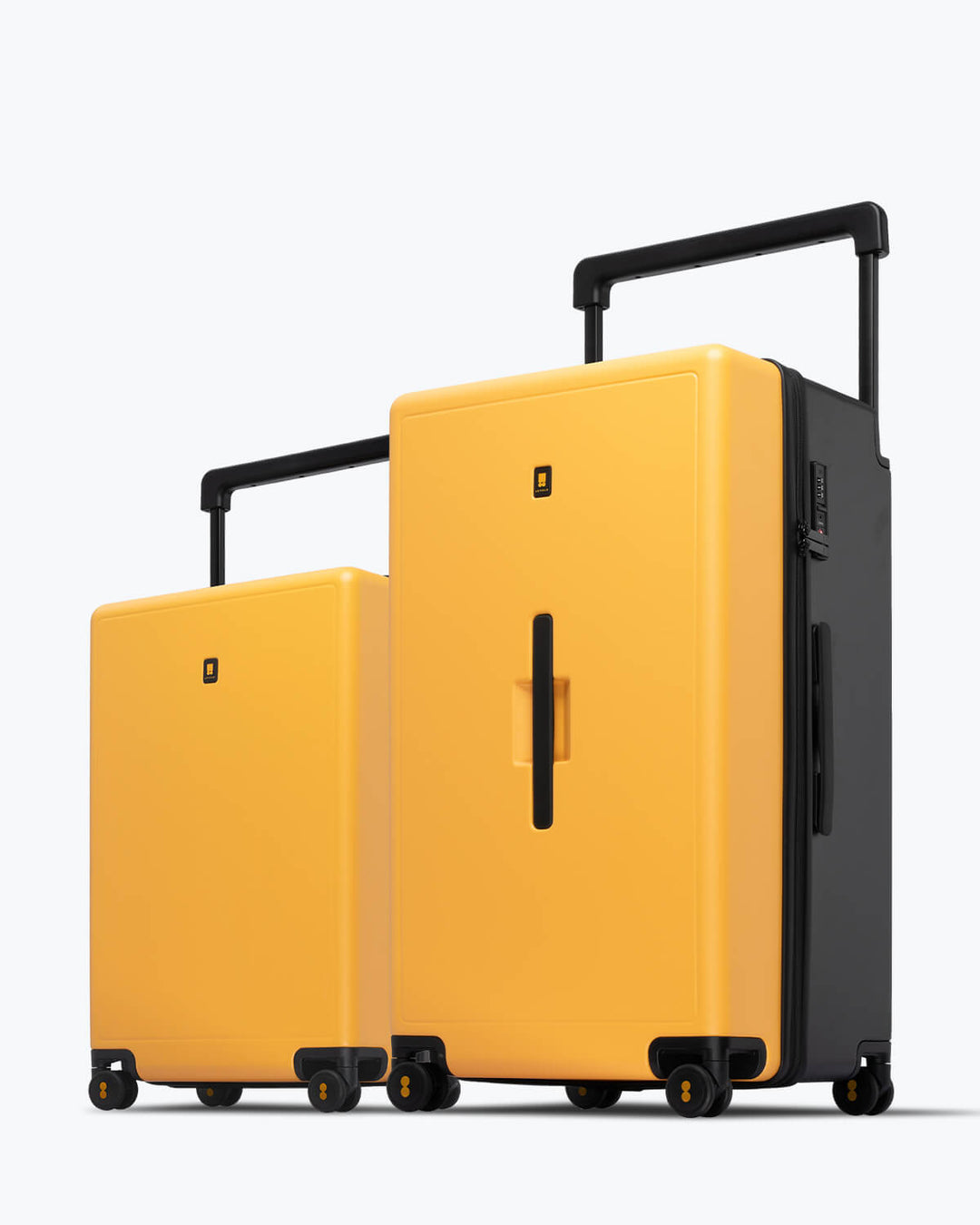
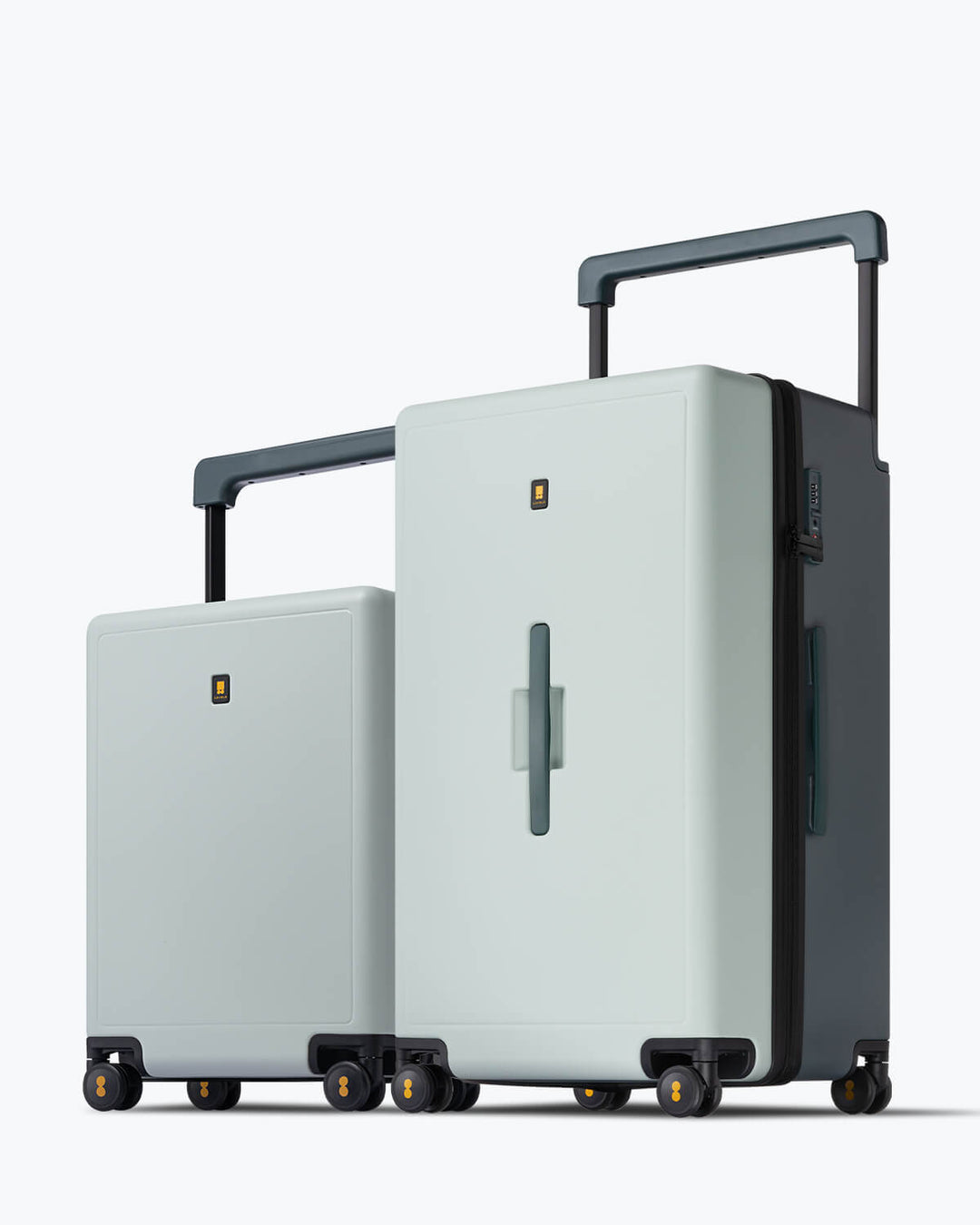
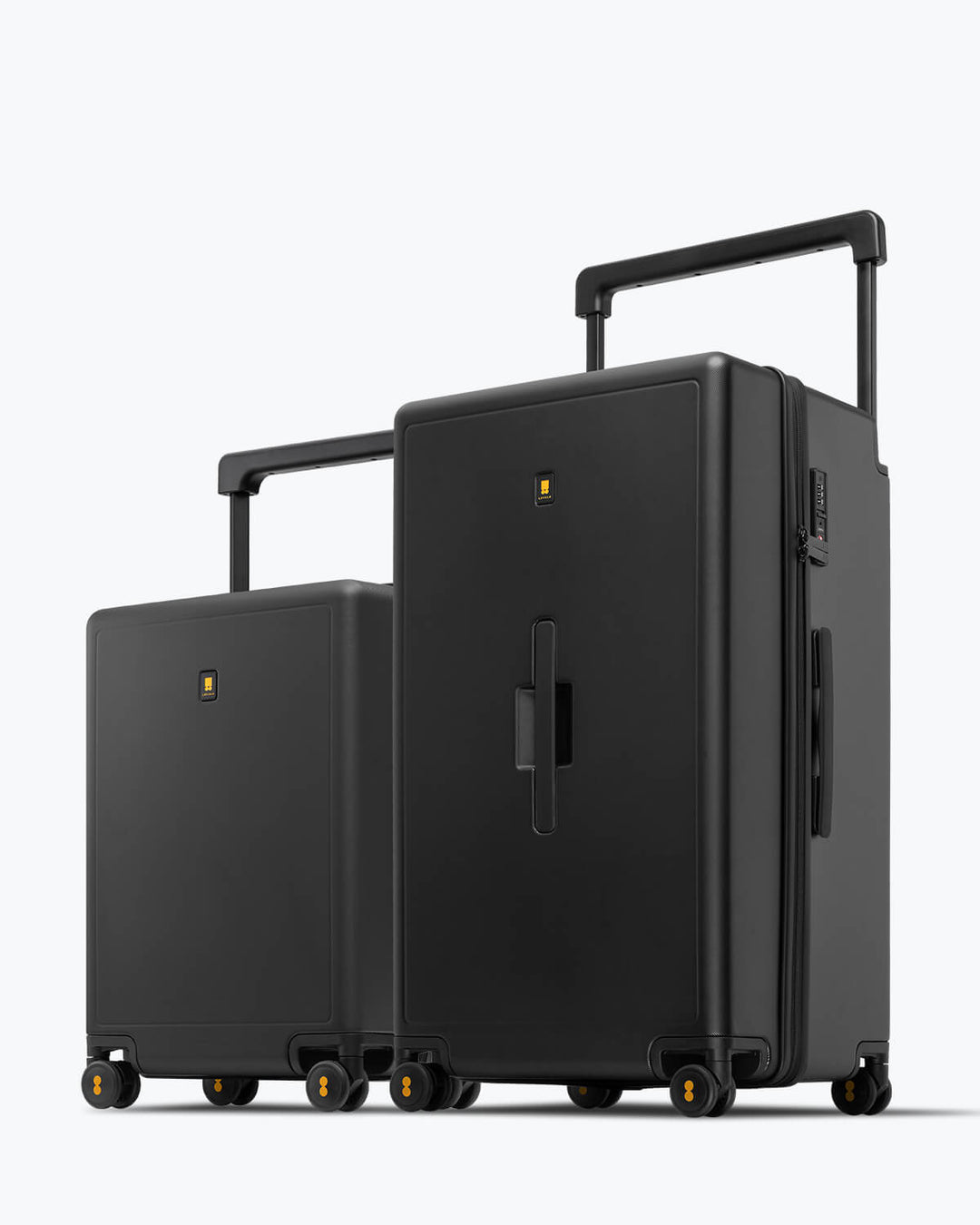
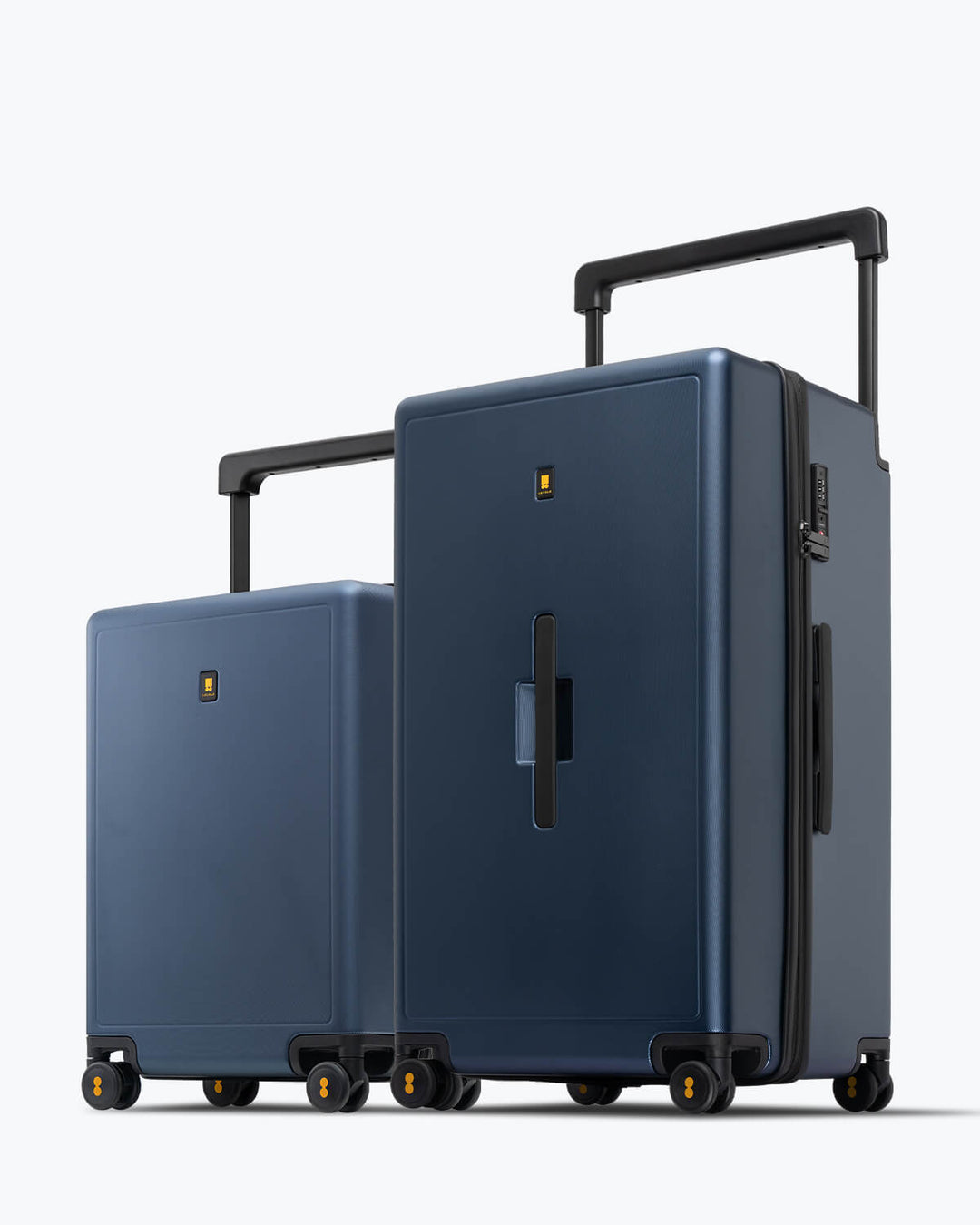
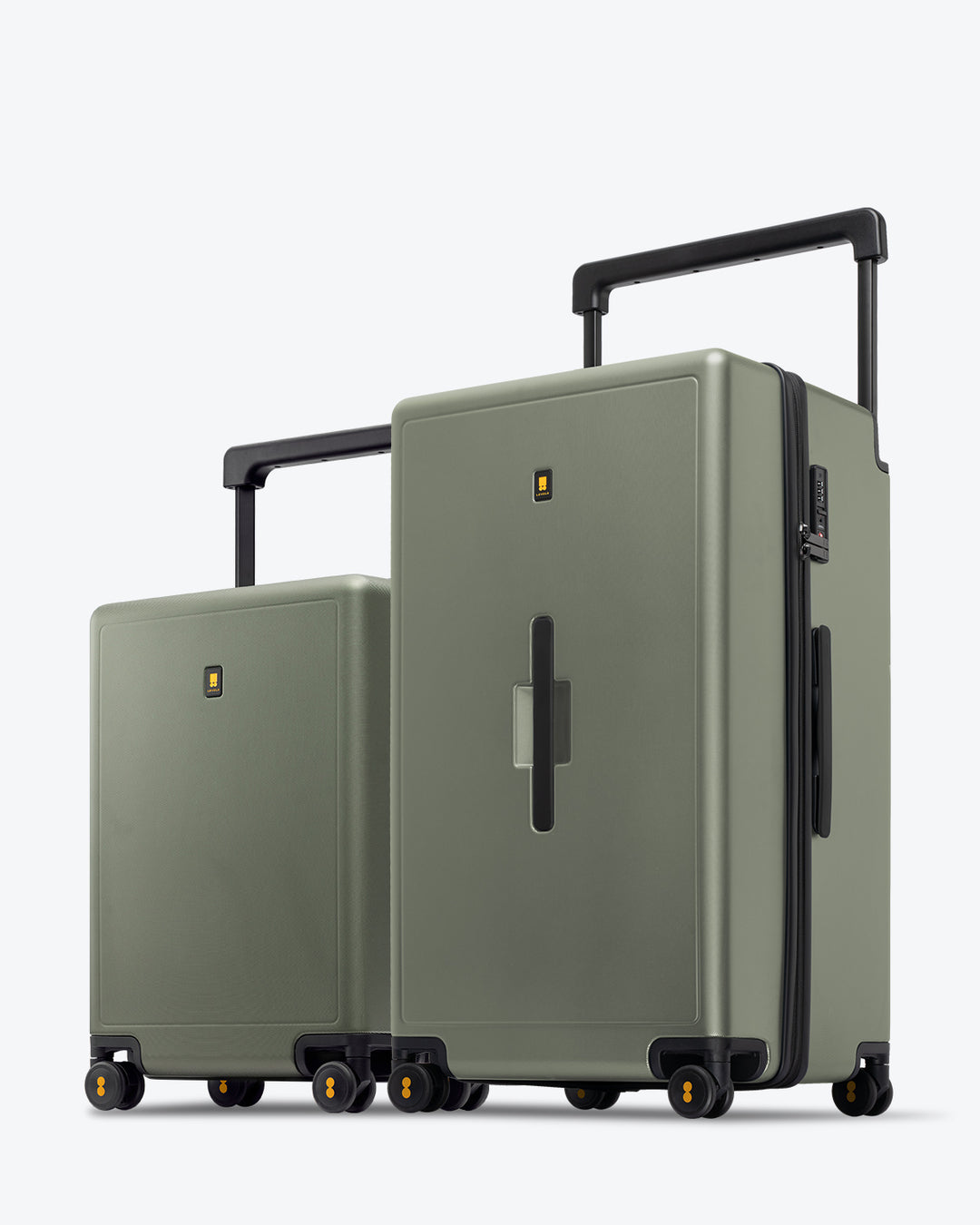
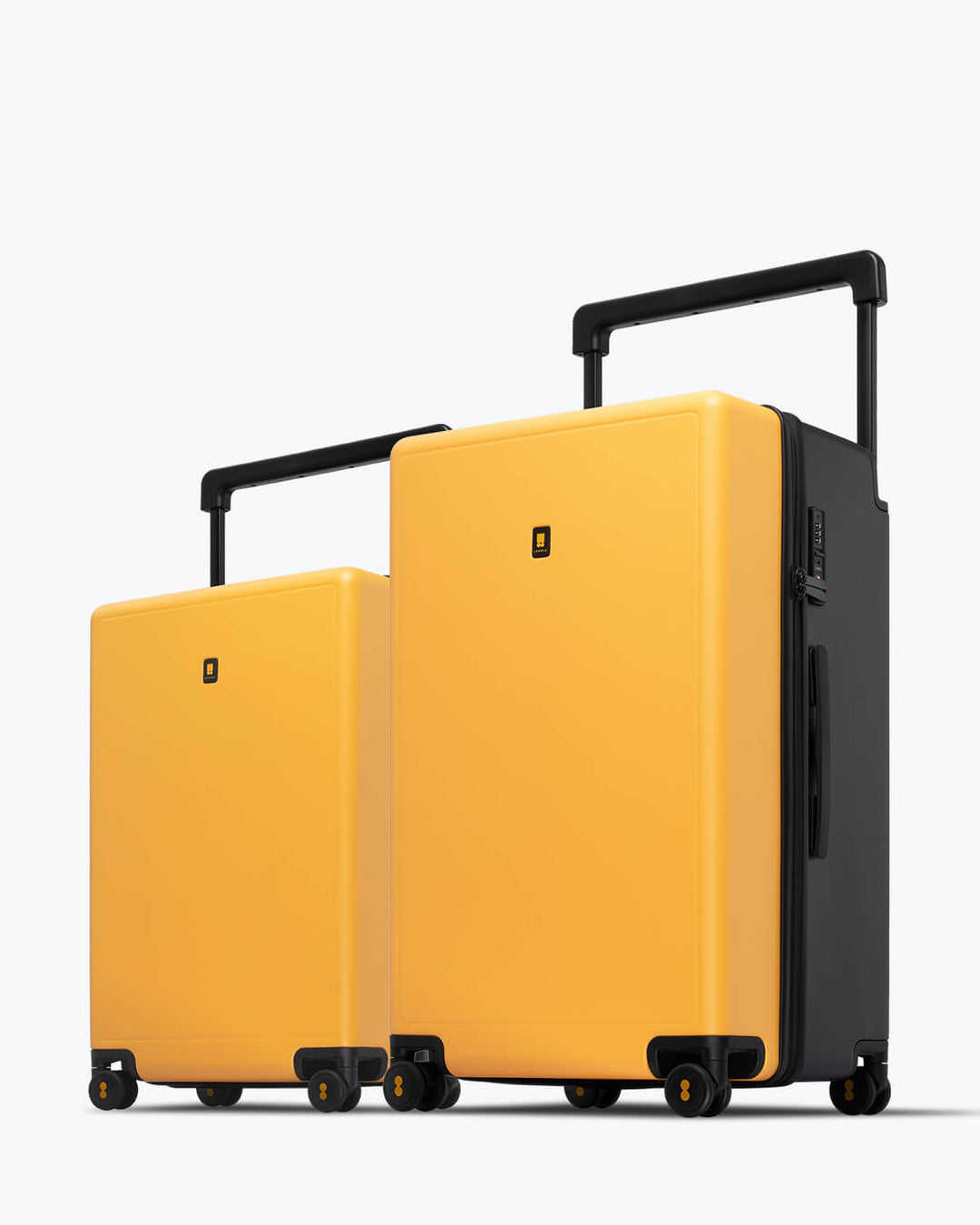
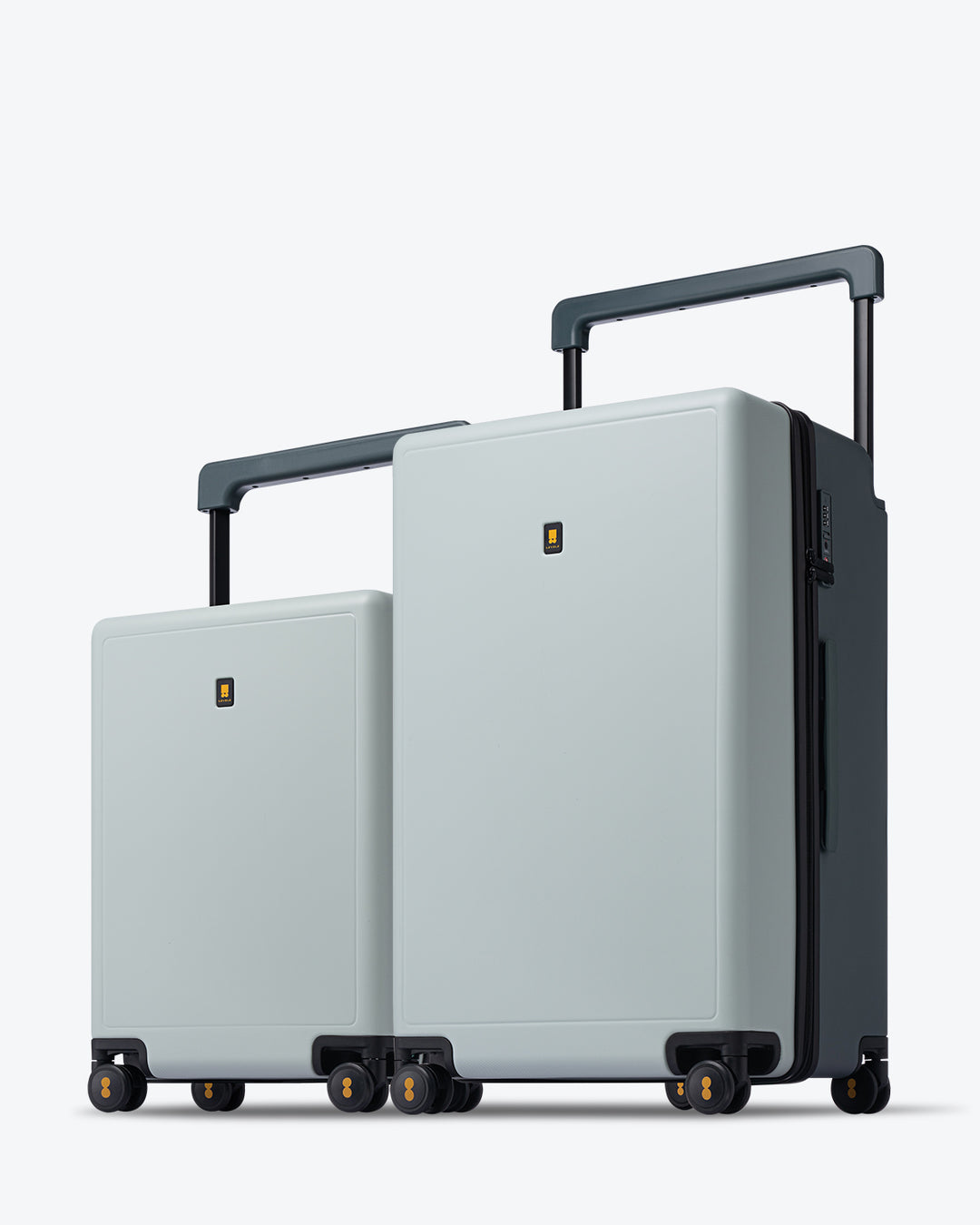
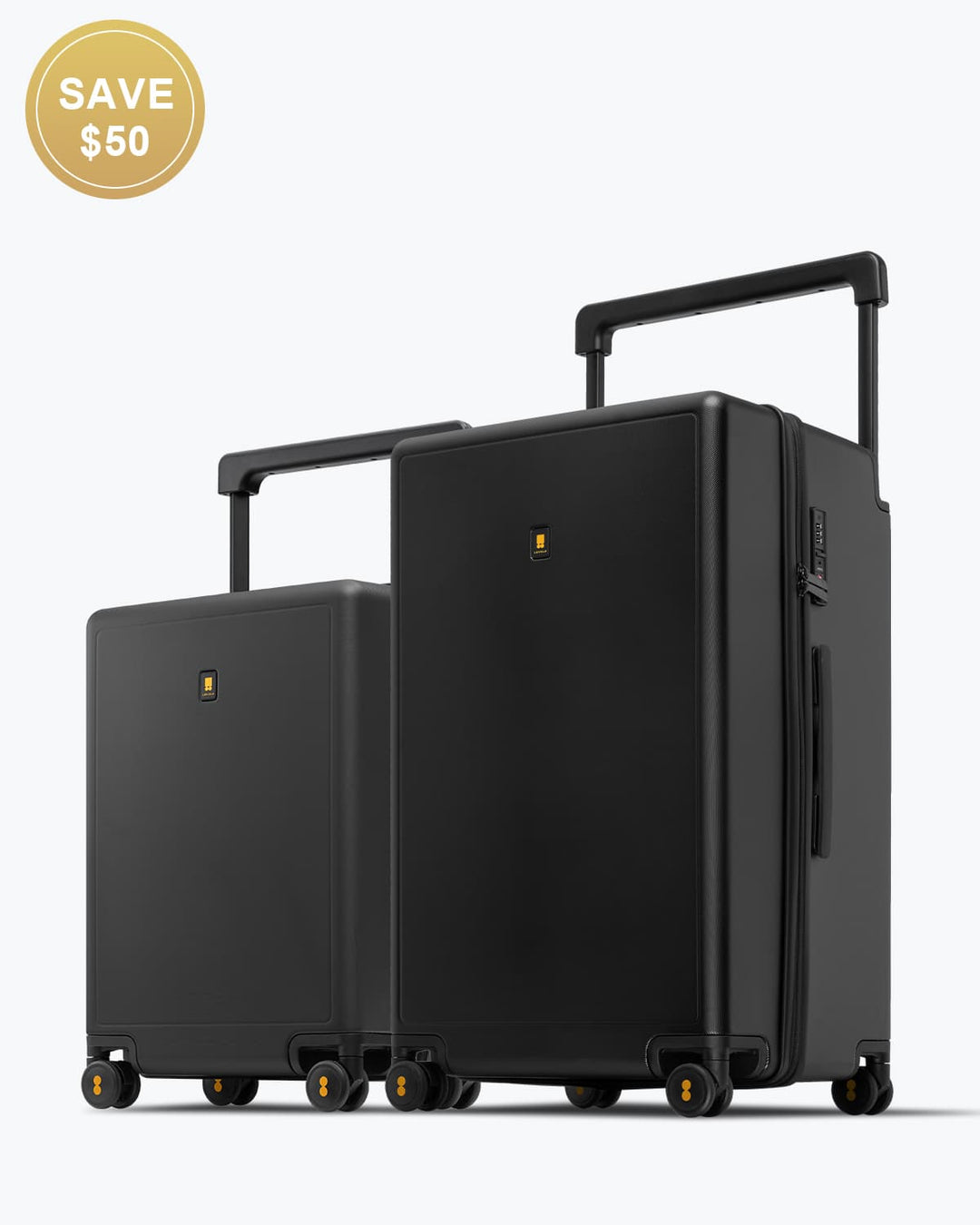
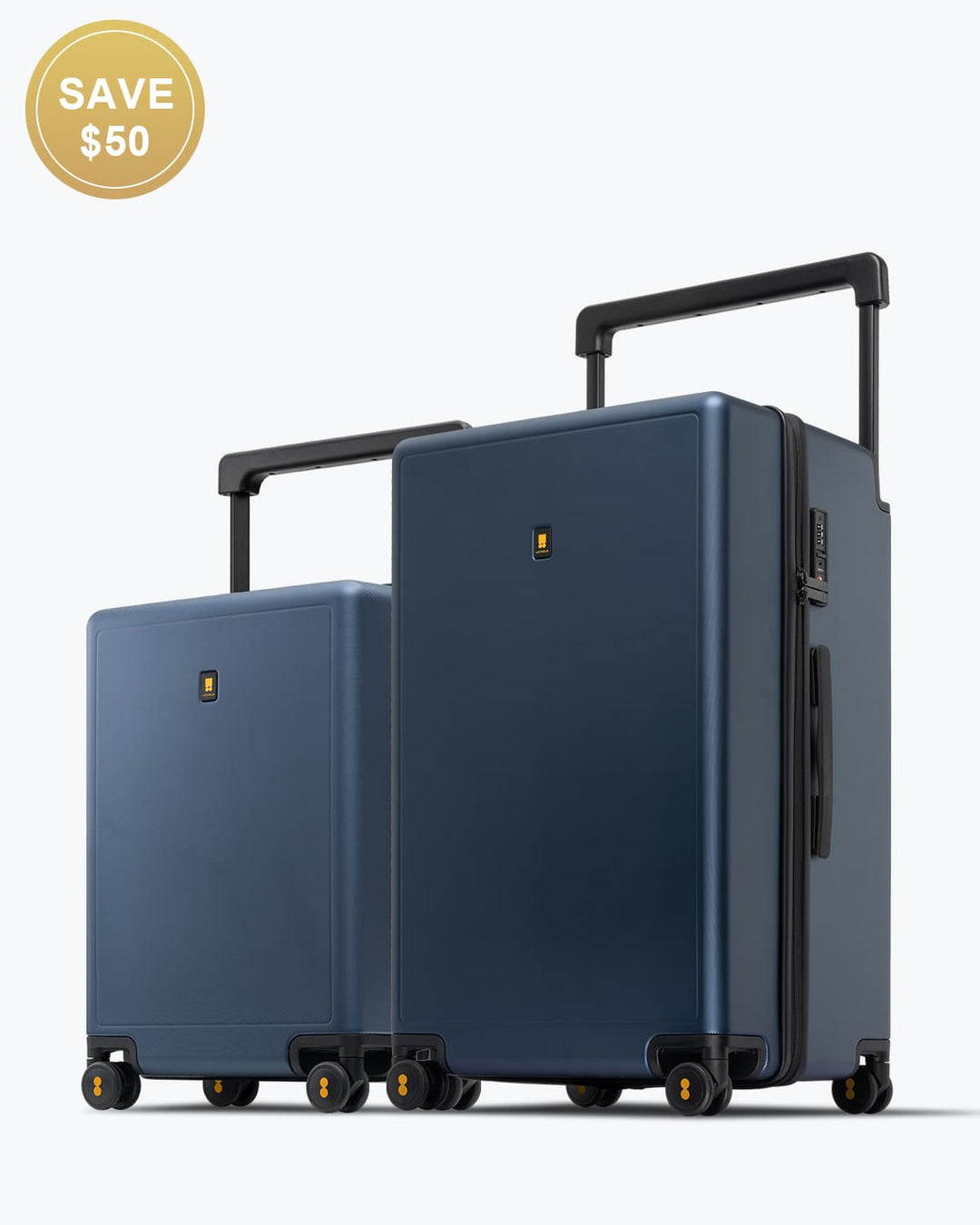
Not everyone packs the same way, so our polycarbonate luggage comes in different interior configurations. Select models use traditional divided compartments, while designs such as Voyageur feature a wide trolley system. This wide handle luggage design reduces handle intrusion inside the case and creates a broader, flatter packing base.

Smooth Movement Through the Airport

A suitcase may be light on the scale but still feel difficult to manage if the wheels do not move smoothly. Our polycarbonate collections include 360° spinner wheel systems designed for easier maneuvering through terminals, hotel corridors, and city streets. Wheel construction varies by model, so you can choose a suitcase based on both packing needs and the way you travel.

Travel-Ready Security

Select LEVEL8 polycarbonate cases include TSA-approved combination locks, helping keep your suitcase secured while allowing authorized airport inspections. Depending on the collection, additional features may include puncture-resistant zippers, compression systems, and organized interior pockets.

Carry-On and Checked Sizes

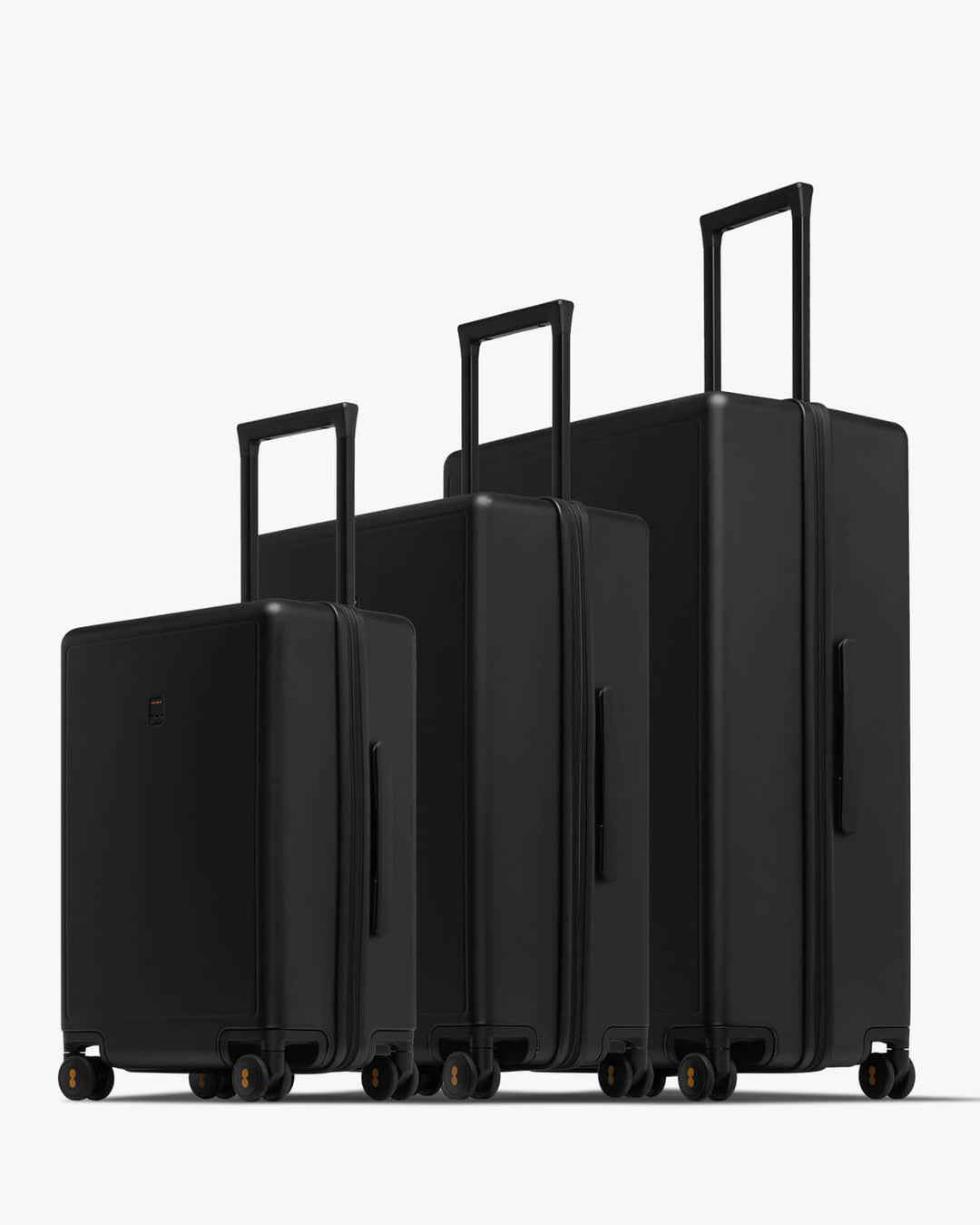
Our polycarbonate range includes compact carry-ons as well as larger checked suitcases, so you can choose based on trip length and packing volume instead of changing materials between different types of travel. A carry-on can make sense for shorter trips and lighter packing, while larger checked sizes provide room for longer stays, extra shoes, and bulkier clothing.

Confidence for the Long Run

We put our luggage through quality testing and back qualifying luggage with a lifetime warranty covering functional aspects including the shell, wheels, handles, and zippers. This gives you added reassurance when choosing a suitcase you plan to use across repeated trips.

FAQs

Polycarbonate luggage offers a useful balance between protection and manageable weight. Unlike heavier rigid materials, polycarbonate has a degree of flexibility that allows the shell to absorb everyday bumps while maintaining its structure, making it practical for both frequent flights and occasional trips.

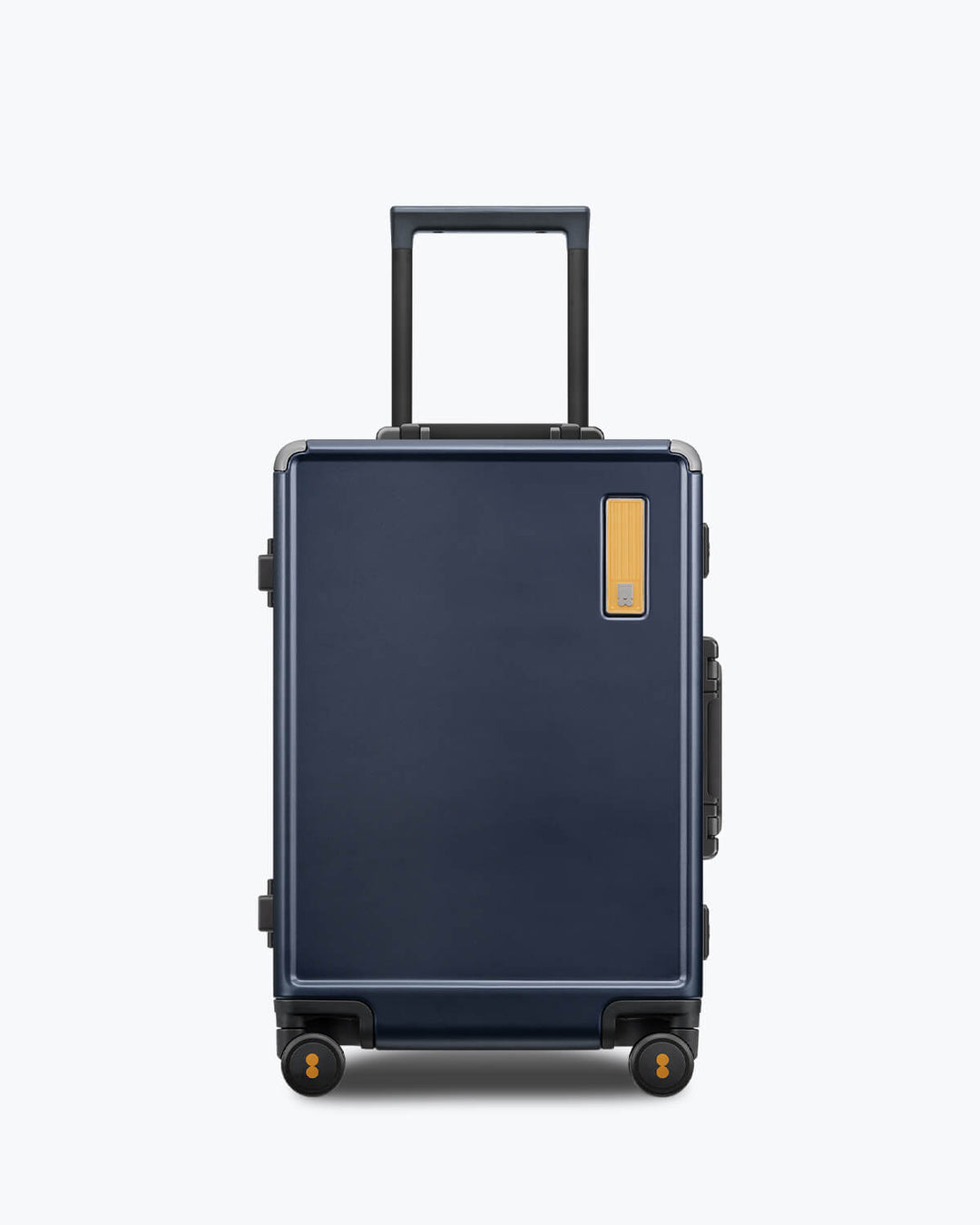
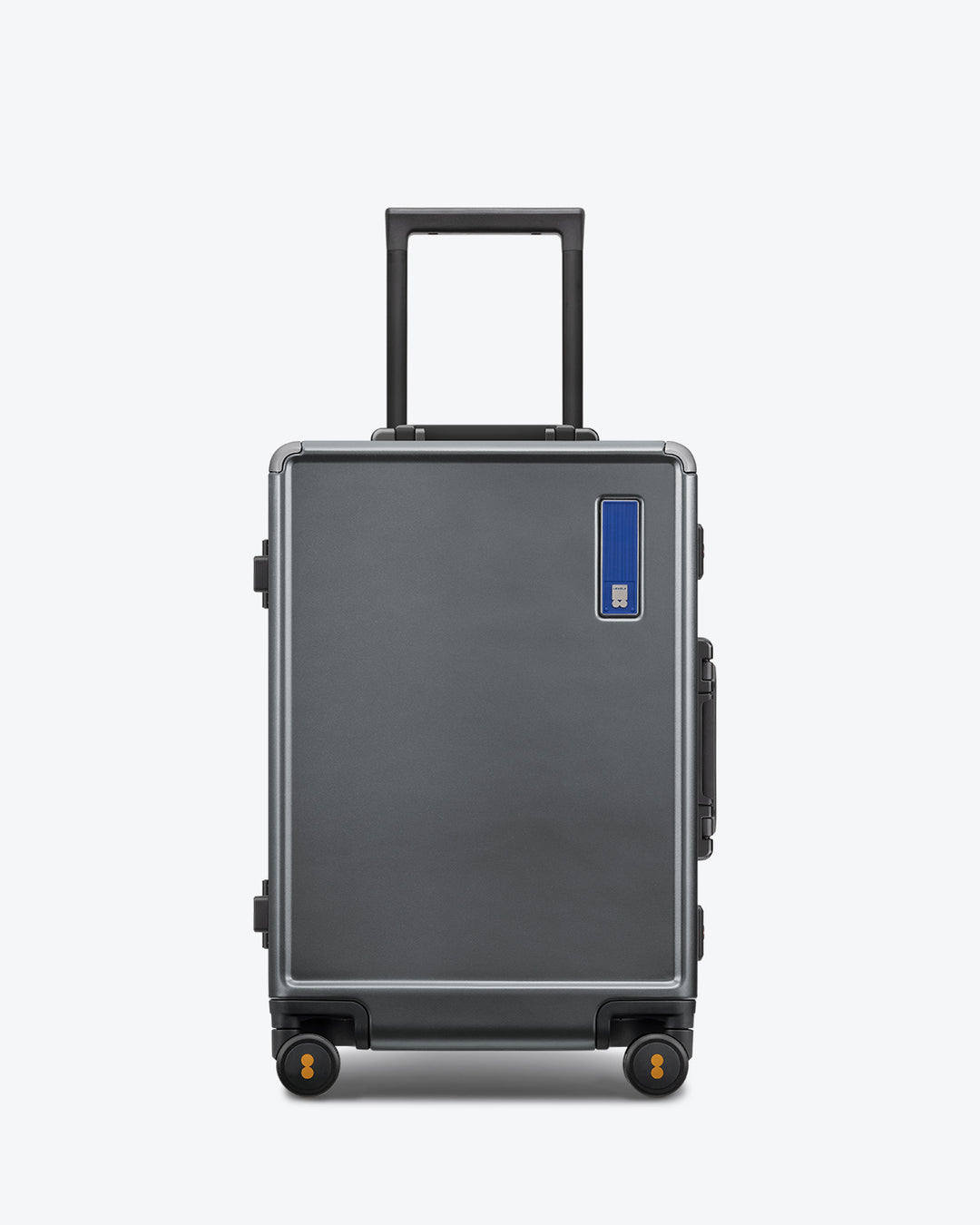
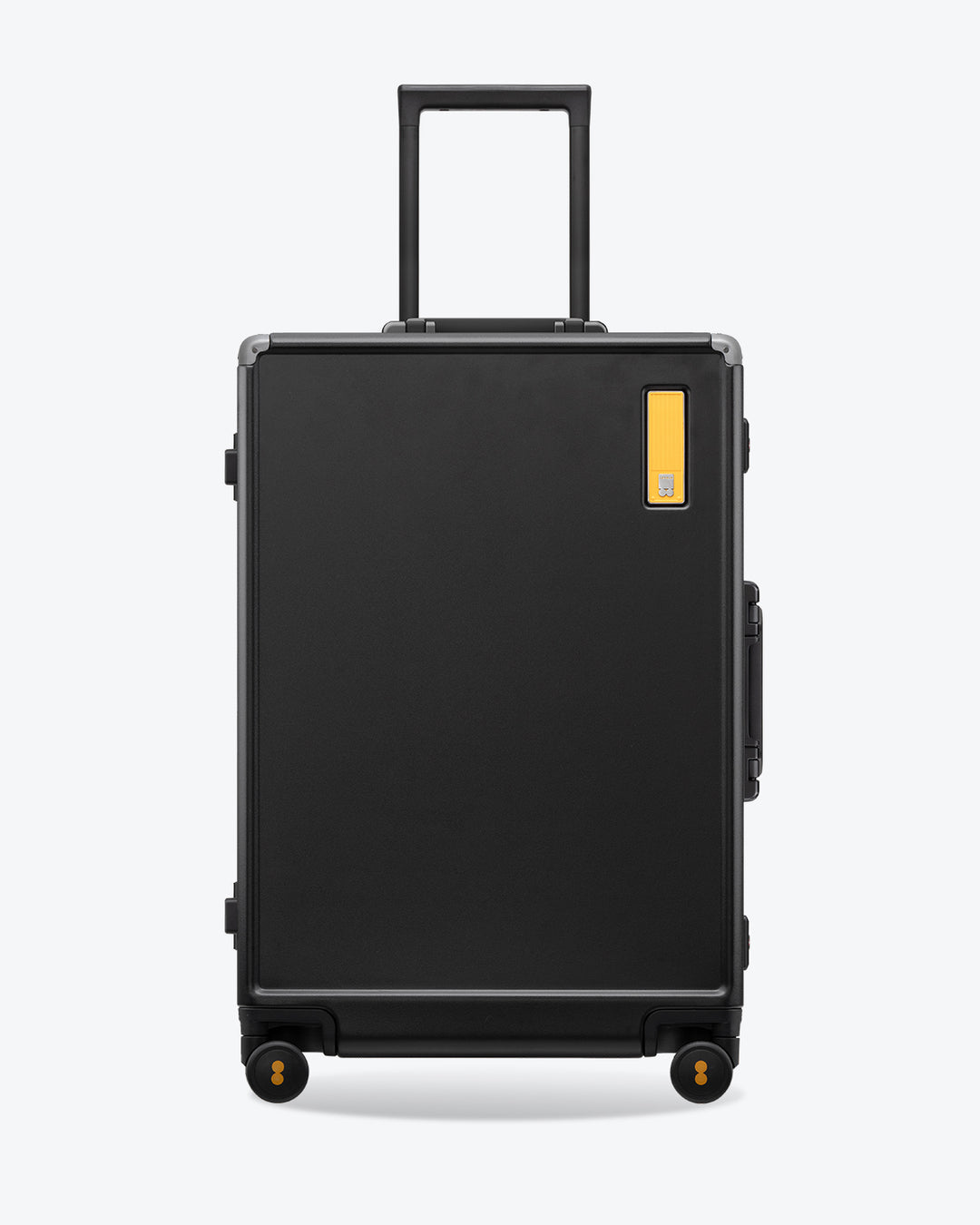
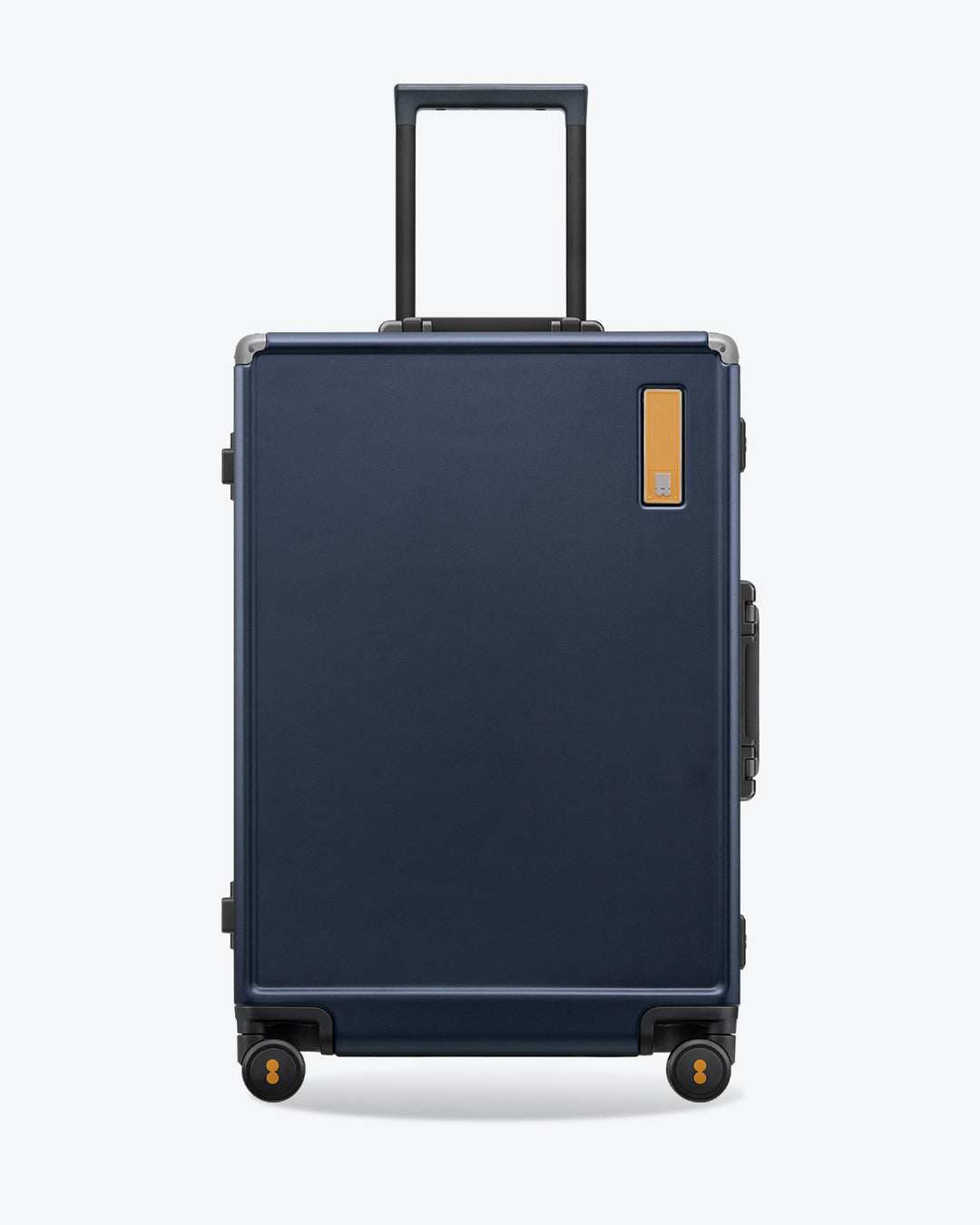
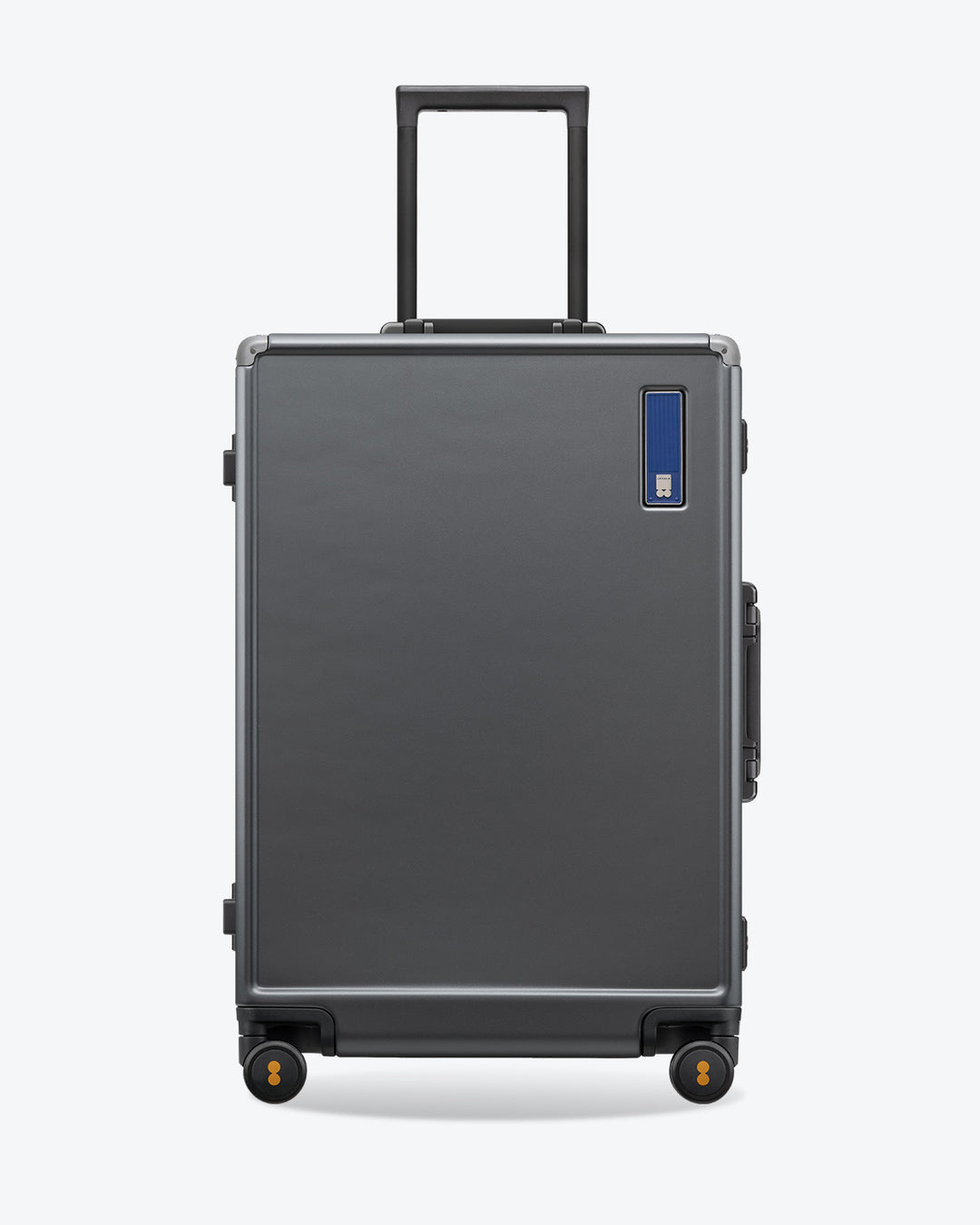
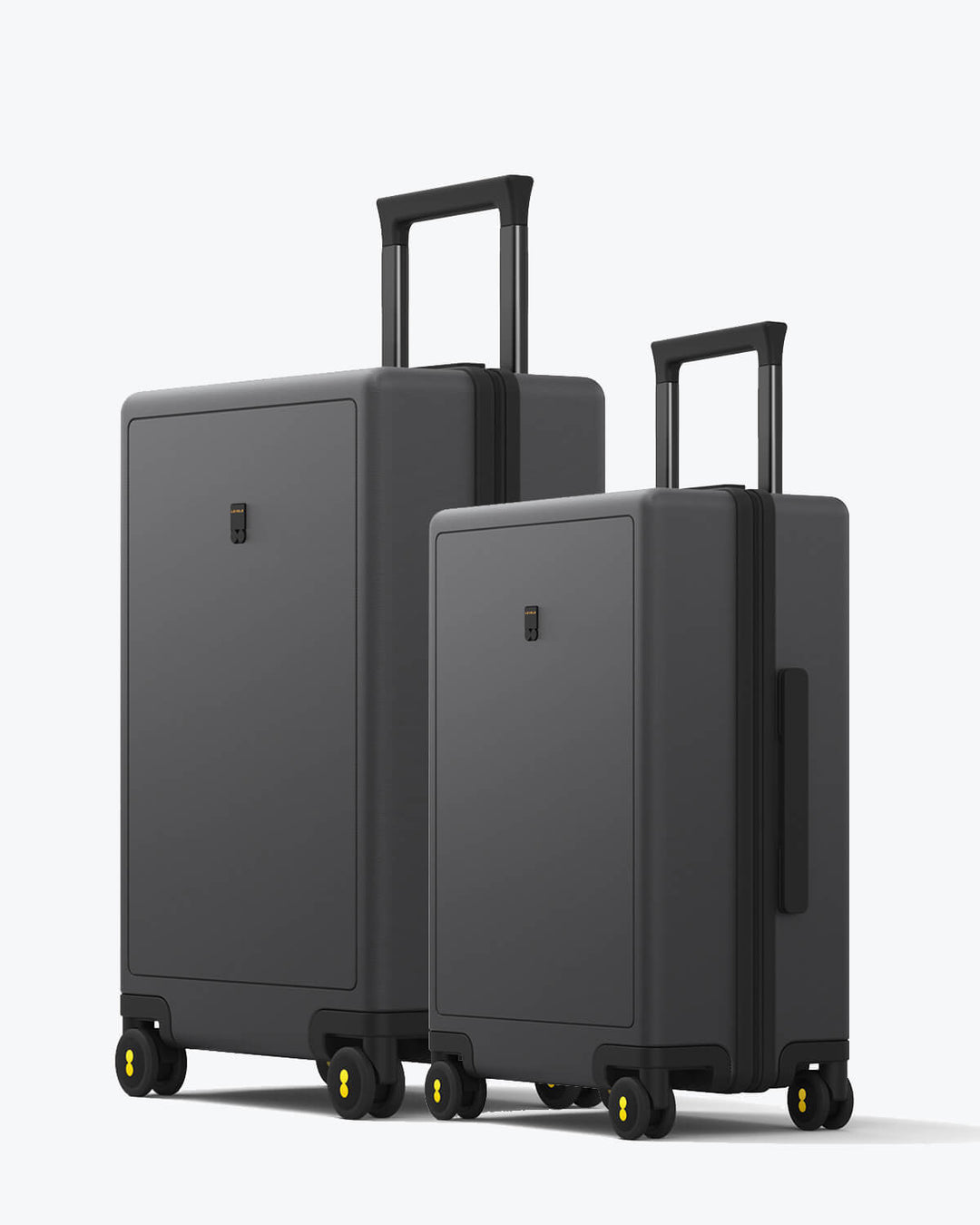
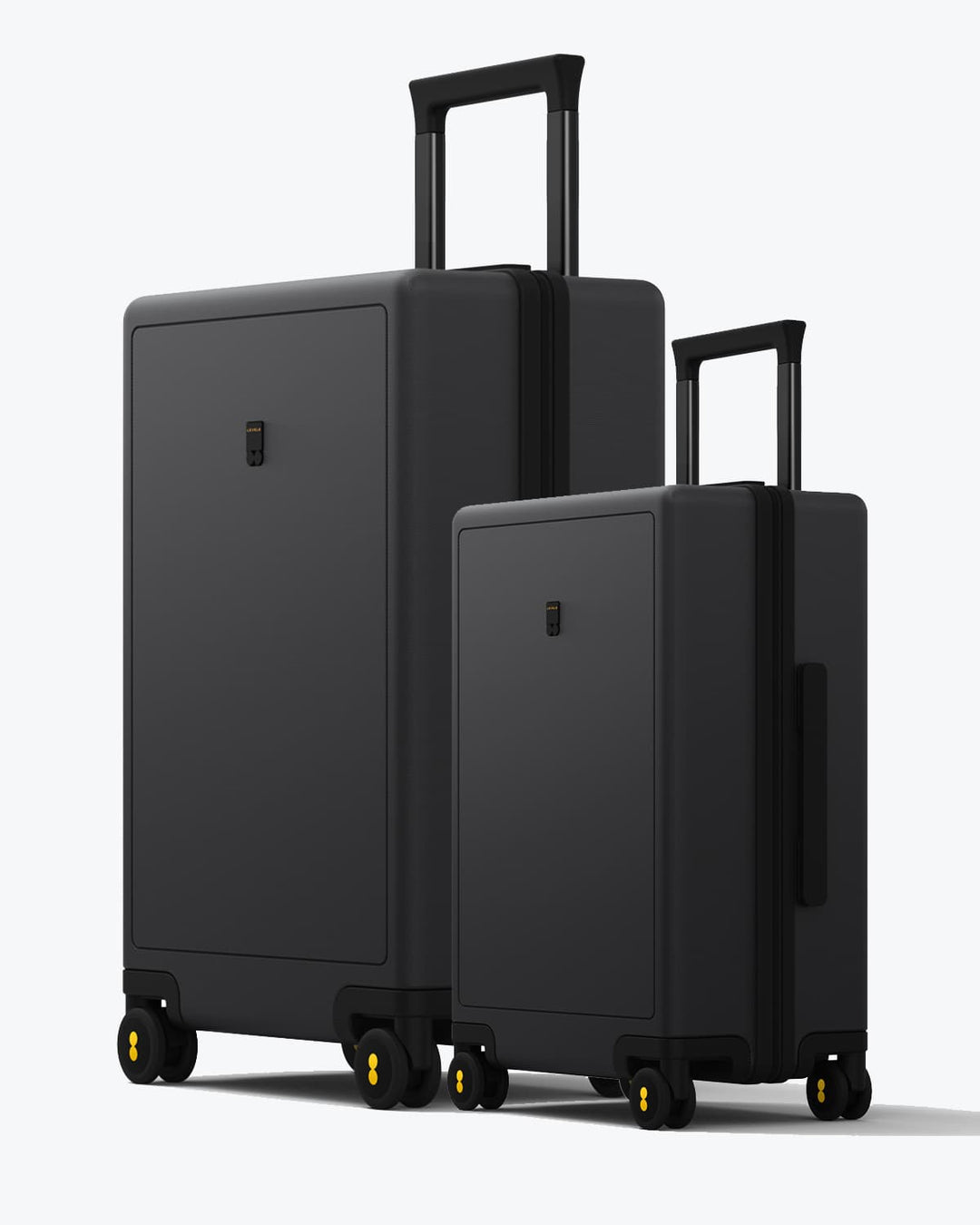
Many of our hardside collections use German-made Makrolon® polycarbonate. For example, the Luminous Textured Collection combines this shell with an anti-scratch textured surface, TSA-approved lock, and 360° spinner wheels. This combination works well for travelers who want hardside protection without adding unnecessary weight before they start packing.

A polycarbonate suitcase is designed to handle the knocks, pressure, and movement that come with regular travel. Polycarbonate is not completely immune to scratches or cosmetic wear, but its combination of rigidity and flexibility makes it well suited to luggage that may be lifted, stacked, rolled over different surfaces, or handled during checked travel.

Construction beyond the shell also matters. Our Luminous Textured cases pair Makrolon® polycarbonate with an anti-scratch diamond texture, aluminum telescopic handle, TSA combination lock, and shock-resistant 360° spinner wheels. We also back our luggage with a lifetime warranty covering qualifying functional issues involving the shell, wheels, handles, and zippers.

The best polycarbonate luggage should match the way you actually travel. Start with size and empty weight, then compare packing capacity, wheel performance, handle design, interior organization, and any features that make your usual trips easier.

Different designs can suit different priorities. Our Luminous Textured Collection emphasizes lightweight handling and a scratch-resistant exterior, while Voyageur combines a Makrolon® polycarbonate shell with a wide-handle design that creates a broader, flatter packing base. Adventure adds top-opening access and expandable capacity for travelers who prefer a different packing layout. Rather than choosing by material alone, consider how the complete suitcase design fits your packing and travel habits.

Polycarbonate luggage durability depends on more than shell thickness. Material quality, surface finish, wheels, handles, zippers, how heavily the case is packed, and whether it is regularly checked can all affect how luggage performs over years of travel.

Some cosmetic marks are normal with repeated use, especially on checked bags. A textured surface can help make scratches less noticeable, while reliable wheels and handles reduce stress during everyday handling. Our luggage undergoes quality testing, and selected collections use German-made Makrolon® polycarbonate together with travel-focused components designed for repeated use. Proper packing and staying within reasonable baggage weights can also help reduce unnecessary strain on the case.

Yes. Polycarbonate hardside luggage can work particularly well as a carry-on because it provides structured protection without the weight of some heavier shell materials. A lighter empty case can also make it easier to lift your suitcase into an overhead bin and leaves more of an airline weight allowance available for your belongings.

Our Luminous Textured 18" Carry-On weighs about 7.1 lbs with 39L of capacity, while the 20" version weighs about 7.7 lbs and provides 40L. You can compare these with our other carry on luggage based on size, weight, packing layout, and features. Always confirm your airline's current cabin baggage limits before departure.

Polycarbonate luggage is also a practical option when you need more capacity for longer trips. Its hardside construction helps provide a structured barrier around packed belongings, while a lighter shell can be useful when working within an airline's checked baggage weight allowance.

Our Luminous Textured range, for example, includes a 24" Checked case at about 9.8 lbs with 65L of capacity and a 28" version at about 11.44 lbs with 99L. For longer vacations, family trips, or packing bulky clothing and shoes, our checked luggage lets you compare larger sizes and packing capacities across different designs.

The right polycarbonate suitcase depends on trip length, how much you normally pack, and whether you want to keep your luggage in the cabin or check it. A smaller carry-on can be enough for a short business trip or weekend away, while 24", 26", 28", and larger checked sizes provide more room for longer stays.

Capacity can also vary between suitcases with similar exterior sizes because handle placement, interior layout, and expansion features affect usable space. Before choosing, compare not only the inch size but also the listed dimensions, capacity, empty weight, and packing design. For air travel, always check the exact baggage rules of the airline you plan to fly.