





How to Plan a Cruise Vacation: A First-Timer’s Checklist

The easiest way to plan a cruise vacation is to choose your route and dates first, calculate the full trip cost, and then book the ship, cabin, transportation, and required documents in that order. This sequence gives a first-time cruiser fewer choices to compare at once. It also prevents a low advertised fare from leading to a trip that costs much more.
How Should You Plan for a Cruise Vacation?
Start with the decisions that affect the whole trip. Your available time limits the possible routes, while the complete budget determines which ship and cabin remain practical.
Set Your Travel Dates and Total Budget
Count the travel days outside the sailing. A seven-night cruise may require nine days when a pre-cruise hotel and the return journey are included.
Set one limit for the complete vacation rather than the cruise fare alone. Keep part of the budget available for costs that are still estimates.
|
Cost |
What to include |
|
Cruise booking |
Fare, taxes, and port charges |
|
Travel to the port |
Flights, fuel, and parking |
|
Pre-cruise stay |
Hotel and terminal transfer |
|
Onboard charges |
Service fees and paid dining |
|
Port activities |
Tours and local transportation |
|
Protection |
Insurance and emergency funds |
Choose the Region and Sailing Season
Choose a region that fits your available dates. Caribbean cruises operate through much of the year, while Alaska has a shorter season and usually requires more weather-specific clothing. The Atlantic hurricane season officially runs from June 1 through November 30. Cruises still operate during this period, although storms may change ports or sailing routes.
Compare the Itinerary and Ship
Read the complete itinerary before comparing ship features. Check the number of sea days and the amount of time available in each port. A large ship may offer more dining and entertainment, while a smaller ship may reach ports that cannot handle larger vessels.
Avoid booking for one port alone. Weather and local operating conditions can remove a scheduled stop, so the rest of the itinerary should still provide enough value.
Pick the Cabin and Calculate the Final Cost
Compare the full price of each cabin category. An inside cabin controls the booking cost, while a balcony provides private outdoor space at a higher rate.
Study the deck plan before paying. Cabins near elevators reduce walking, while rooms below busy public decks may receive more noise. A lower cabin near the ship’s middle can feel steadier to travelers concerned about movement.
Add the selected cabin price to transportation, service charges, and planned activities. This final figure provides a more useful comparison than the advertised per-person fare.
Check Fare Terms, Documents and Insurance
Confirm whether the deposit is refundable and record the final payment date. Read the cancellation schedule because the penalty normally increases as the sailing approaches.
U.S. citizens on some closed loop cruises may use accepted citizenship evidence and photo identification. The destination country or cruise company can still require a passport. A passport book is the safer option because it is needed if an emergency requires a flight home from a foreign port.
Review insurance for trip interruption, overseas medical care, and emergency evacuation.
When Should You Complete Each Cruise Planning Step?
Complete the tasks that affect availability first, for cabin selection and travel arrangements become harder as the departure date approaches. Documents and final packing can follow later.
Six to Twelve Months Before Sailing
Choose the region and compare sailing dates. Booking during this period usually provides a wider cabin selection. Fixed school dates, adjoining rooms, and limited itineraries may require earlier action.
Check how much time you need to reach the departure city. Include an extra travel day when the port requires a flight or a long drive.
After Booking to Two Months Before Sailing
Arrange transportation to the port and reserve a hotel for the night before departure. Confirm how you will travel from the hotel to the terminal.
Research each port and book activities that have limited capacity. Review dining packages or onboard reservations, but leave some free time for schedule changes.
Check passport validity during this period. Apply for any required visa and compare insurance before the main cancellation penalties begin.
Check the baggage rules for every airline on the route. If repeated airport and terminal handling makes closure security a priority, consider zipperless luggage.
When Online Check-In Opens
Complete online check-in through the cruise company’s website or app. Add your identification details and select an available terminal arrival window. Register the payment method for onboard spending. Download the boarding pass and save an offline copy in case the terminal has poor mobile service.
Review the emergency contact information attached to the reservation. Families should also confirm the registration rules for children’s programs or supervised activities.
During the Final Week
Check the weather for the departure city and each port to adjust clothing.
Confirm the terminal address and transportation time. Review the latest prohibited items policy and attach the cruise company’s luggage tags to checked bags.
Place passports, insurance details, and reservation confirmations together. Every name should match the identification document used for boarding.
The Day Before Sailing
Confirm the next day’s arrival window and terminal transfer. Travel to the departure city when a flight or long drive is required.
Check the ship’s departure time separately from your arrival window. Reach the terminal during the assigned period rather than planning around the final boarding deadline.
Charge your phone, download the ship app, and keep the boarding documents outside the checked luggage.
What Should You Prepare and How Should You Pack?
Pack according to the confirmed itinerary. Weather, port activities, and the ship’s dress code should determine what you bring.
Prepare Documents and First Day Essentials
Keep your passport, boarding pass, medication, and valuables with you. Add a change of clothes if the checked suitcase will be handed to a terminal porter. Use a compact baggage carry to keep these items separate from clothing that can wait for cabin delivery.
Pack Clothing From the Schedule and Weather
Count outfits from the actual number of port days and sea days. Check whether the ship lists a formal evening or themed event before adding special clothing.
Choose shoes according to booked activities. A warm weather route needs swimwear and sun protection, while a colder itinerary requires layers that can handle changing conditions.
Fold and Compress Clothes in Packing Order
Place shoes and dense toiletry bags near the wheel end. Add larger clothing pieces next, then use smaller garments to fill the remaining gaps.
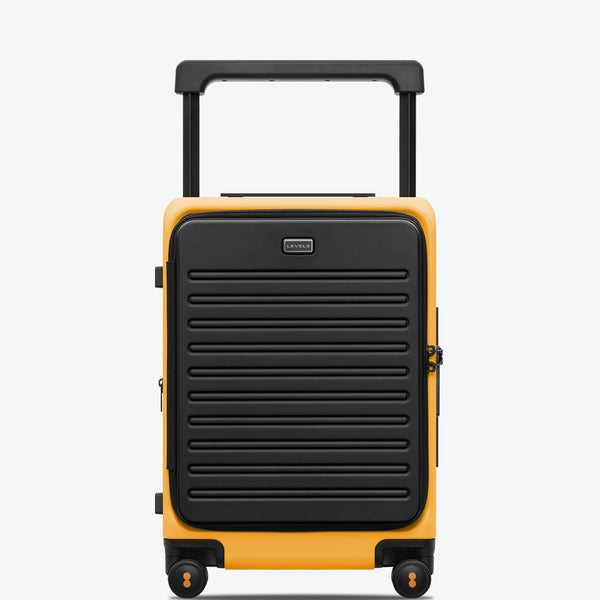
The Adventure Carry-On 20'' supports this method with a 45-liter compartment and an interior compression system. The straps reduce shifting, while expansion raises the listed capacity to 50 liters when the return load needs more space.
Keep Frequently Used Items Near the Opening
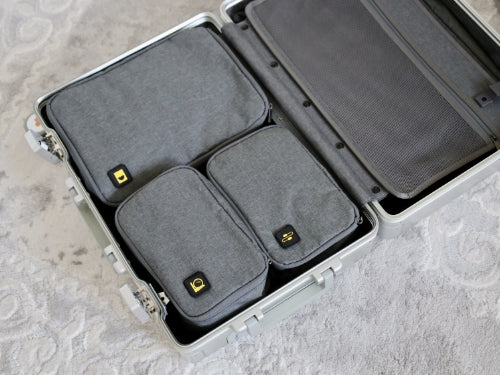
Place sleepwear and the next day’s clothing near the opening. Chargers and toiletries should remain in separate pouches that can be removed without disturbing the main clothing layer.
A top opening layout supports this packing order because the main compartment can be accessed without spreading two suitcase halves across the cabin floor.
Separate Damp Items
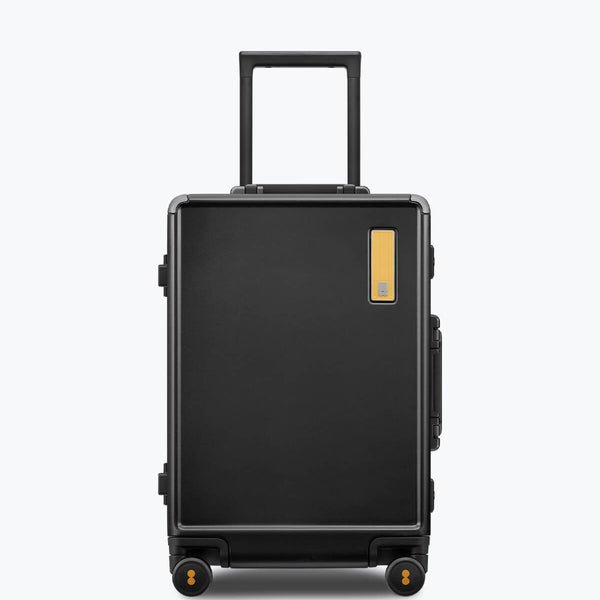
Prepare a sealed pouch for swimwear and place liquids in leak-resistant bags. The Hegent Carry-On Luggage 20'' includes a separate wet pocket and Y-strap compression. Its aluminum frame and dual TSA locks add structure around packed belongings during airport and terminal transfers.
Check Restricted Items and Protect Fragile Gear
Wrap fragile items in soft clothing and position them away from the outer corners. Place chargers and small accessories in fixed pouches so they cannot move through the main compartment. Following an efficient packing method helps remove empty gaps around delicate belongings while keeping frequently used items accessible.
Review the ship’s prohibited items list before packing. Some cruises prohibit extension cords, power strips, and multi-plug outlets, although approved personal device chargers are permitted.
How Should You Plan Port Days and Onboard Time?
Choose a small number of priority activities instead of filling every available hour. Port schedules can change, while popular onboard activities may operate at several times during the sailing.
Reserve Activities With Limited Availability
Book a shore activity early when it has restricted group sizes or limited departure times. Dining venues and ticketed shows may also require reservations. Use the cruise company’s app to identify which activities can be booked before sailing and which open after boarding.
Leave some sea day time unplanned. The daily schedule may include activities that were not available when the cruise was booked.
Plan Independent Port Visits Carefully
Use the ship’s all aboard time when building an independent port day. Confirm whether the displayed schedule follows ship time or local time.
Calculate the return journey before leaving the terminal. Include extra time for traffic, tender boats, or delayed public transportation.
Monitor Time and Spending Onboard
Download the cruise company’s app before departure. It may display reservations, daily activities, and the running balance of your onboard account. Check the account during the trip rather than waiting until the last evening. Report an unfamiliar charge while the related venue or service can still confirm it.
Keep your phone in airplane mode unless you understand the ship’s cellular charges. Connecting to maritime mobile networks can create roaming costs that are separate from the ship’s WiFi plan.

FAQ
Is It Cheaper to Book a Cruise Through a Travel Agent?
Sometimes. An agent may offer group rates or onboard credit, while direct booking gives you control of the reservation.
What Is the Cheapest Month to Book a Cruise?
There is no guaranteed month. January through March often brings Wave Season promotions, but the best value depends on the route, cabin availability, and included benefits.
How Much Cash Should I Bring on a Cruise?
A small amount is usually enough. About $50 to $100 can cover port purchases and small tips, while most onboard spending is charged to your ship account.
Can I Bring My Own Alcohol on a Cruise?
It depends on the cruise line. Some permit limited wine in carry on luggage, while others restrict it.
Can I Use My Phone on a Cruise Ship?
Yes. Connect through the ship’s WiFi plan or use downloaded content offline.
Summary
Plan a first cruise in a fixed order. Choose the route and dates, calculate the total cost, verify the documents, and finish each remaining task according to the sailing timeline.
Pack according to the confirmed schedule and keep boarding essentials with you. Review the weather, terminal details, and ship rules during the final week so avoidable problems are resolved before departure.


Leave a comment