



Table of Content
Hard vs Soft Luggage: Which is Better for Your Travel Needs?

You have planned your trip and are now standing in a store. Picking luggage sounds simple. It’s not. getting the luggage wrong and you’re either babying a cracked shell on a weekend trip or watching your laptop get crushed on a long-haul flight.
This guide covers what actually separates hard vs soft luggage with no fluff, just what matters for the trip you’re actually taking.
What is Hard-Shell Luggage?
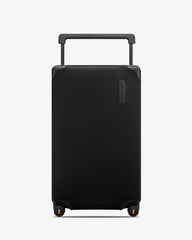
People are often concerned about their gadgets or delicate items during transit. You can choose hard-shell luggage bags as your travel buddy to avoid this problem. These suitcases are made from rigid materials such as ABS plastic, Polycarbonate and aluminum and have a hard shield.
Hard-shell luggage has 4 spinner wheels with a 360° rotation feature that enables smooth movement. It also has an adjustable telescopic handle for a good grip and TSA-approved locks for security. The outer hard body gives it a sleek and trendy look along with a polished finish.
Key Features of Hard-Shell Luggage
Hard-shell suitcases are created from hard materials like ABS plastic and polycarbonate. In travel situations, they handle rough floors smoothly while also absorbing moisture to protect your belongings during travel.The outer case helps to maintain the shape of the suitcase and prevent it from misshaping. Your items will not get damaged while transporting the bag under pressure.
Most hard-shell luggage also has a built-in lock that enables airport security to check your luggage in no time. This key also adds an extra layer of safety and lets you travel with peace.
Advantages of Hard-Shell Luggage
- Takes the hit so your contents don't
- Water-resistant surface; rain and wet cargo floors stay outside
- Frame locks are tamper-evident and harder to breach than zipper pulls
- Wipes clean in seconds, no fabric holding spills or smell
- Overhead bins can't compress what's inside
Disadvantages of Hard-Shell Luggage
- Fixed volume. Overpacking isn't an option, it just won't close
- Heavier starting weight at the same capacity as fabric bags
- Dark smooth finishes scratch visibly
- No exterior pockets whatsoever
What is Soft-Shell Luggage?
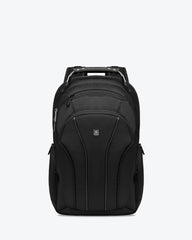
Soft-shell bags use flexible fabric exteriors, usually nylon or polyester, over a light internal frame or none at all. The walls give and compress. If your packing is improvised more often than not, soft bags are more forgiving.
Key Features of Soft-Shell Luggage
Ballistic nylon outlasts polyester; both beat canvas, which soaks up water and adds weight. Most soft bags have at least one exterior zip pocket. Many include an expansion zipper that opens up an inch or two of extra depth. That sounds like a footnote until you're trying to get home with a full bag and two things you bought at the last minute.
Advantages of Soft-Shell Luggage
- Flexible walls fit bulky or awkward shapes hard cases reject
- Lighter base weight; more of your checked allowance goes to actual contents
- Outside pockets for boarding passes, chargers, whatever you need mid-transit
- Compresses enough to fit bins that are already mostly full
- Cheaper at entry level
Disadvantages of Soft-Shell Luggage
- Fabric soaks up moisture from wet floors and damp cargo holds
- Zipper pulls are easier to pry open discreetly
- Nothing rigid to stop heavy items crushing the contents from above
- Can be cut; polycarbonate and aluminum can't

Key Differences Between Hard and Soft Luggage
Knowing each type’s characteristics only gets you halfway. How those features play out in real travel situations is what actually matters when you’re making a buying decision.
Protection and Durability
Hard shells distribute impact across the entire surface rather than letting it concentrate on a corner. Polycarbonate can flex slightly on contact, absorbing the blow without cracking. It’s the same reason it’s favored for checked baggage by frequent travelers who’ve learned the hard way.
Soft shells work through padding and smart packing. Fine for clothes. Less fine for anything with a screen or a hinge.
Packing Flexibility and Expandability
Soft luggage wins here outright. Most models include an expansion zipper adding 2–3 inches of depth, useful when coming home with more than you left with.
Hard cases have a fixed interior volume, so overpacking forces items in under tension or leaves wasted space.
Weight and Ease of Handling
Soft bags typically run 1–2 lbs lighter at the same size. Over a long airport connection, that difference is felt. Both types use spinner wheels now, so rolling performance is largely equal on smooth floors.
In carry-on categories, especially within the popular 20-inch carry-on luggage range, weight differences become more noticeable. A lighter soft-shell option may help frequent flyers maximize packing capacity, while a hard-shell version offers more structured protection in the same compact size.
On cobblestones or uneven pavement, inline wheels on some soft bags handle the terrain slightly better.
Weather Resistance and Security
Hard shells shed water completely, making them better for outdoor travel or regions with unpredictable weather. Soft shells with a DWR (durable water repellent) coating handle light rain, but heavy downpours can soak through fabric seams.
For security, built-in TSA locks on hard cases provide a meaningful layer of protection that zippers cannot match.
Carry-On Considerations
Both types fit carry-on size limits, but soft bags have an edge in overhead bins because they compress slightly to fit beside a neighbor’s bag.
Hard-shell carry-on luggage hold their shape, which is better for protecting items inside but occasionally causes friction when bins are packed full.
Comparison Chart
|
Feature |
Hard-Shell |
Soft-Shell |
|
Protection |
Rigid shell resists crushing and compression |
Relies on padding; flexible but less crush-proof |
|
Packing Flexibility |
Fixed shape, no expansion |
Expandable compartments for extra items |
|
Weight |
Heavier (9–12 lbs typical) |
Lighter (7–10 lbs typical) |
|
Weather Resistance |
Repels rain and spills off the surface |
Absorbs moisture without waterproofing treatment |
|
Security |
Built-in TSA locks standard |
Zipper closure only; lower theft resistance |
|
Carry-On Fit |
Fixed dimensions; predictable overhead fit |
Squeezes into tight overhead bins |
When Hard Luggage Makes More Sense?
Most people don't realize soft bags have limits until a trip proves it. A few scenarios where hard shells are the obvious call:
Traveling with Fragile or Valuable Items
Cameras, wine, ceramics. Clothes are not a real barrier between a lens and a baggage carousel impact. Fabric compresses. A rigid shell doesn't. That's the whole argument.
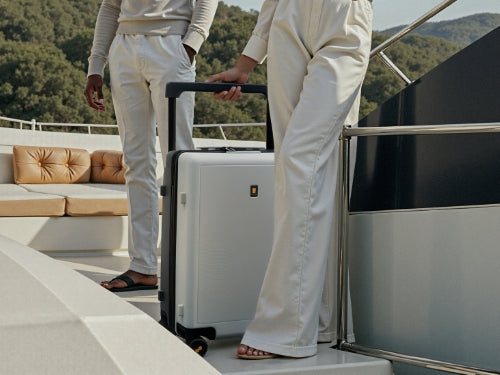
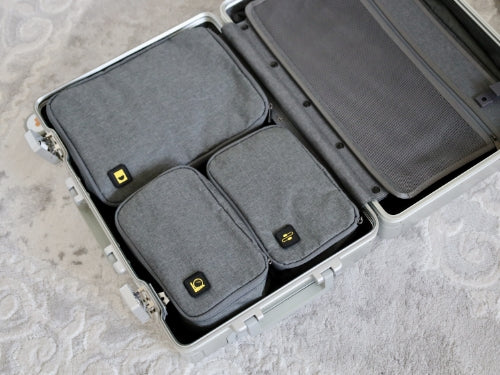
The Level8 Gibraltar Aluminum Carry-On 20" is built around this. Aerospace-grade aluminum magnesium alloy shell, dual TSA-approved frame locks, mesh interior divider keeping fragile items separated. At 36L and 22x15x8.4 inches it fits most overhead compartments. Slow-release handles cut vibration on rough floors. Ships with a 4-piece packing cube set and a lifetime warranty.
International or Long-Haul Trips
Multi-leg international travel puts a bag through more than a domestic weekend ever does. Different handling crews, connecting airports, regional cargo holds at odd hours. Soft bags show all of it. Hard shells come off the final carousel looking much the same as they went on.
Level8's Luminous Textured Check-In 24'' is a solid option for extended trips. German Bayer Makrolon polycarbonate shell with a diamond-texture finish that resists scratching. Four 360-degree anti-shock spinners, TSA combination lock, 65L capacity at 9.8 lbs. Available in navy, black, and grey. Lifetime warranty, free US and Canada shipping.
Travelers Who Prefer Structured Packing
Some people pack the same kit every trip. Two fixed halves, compression straps, everything in its place. If that's you, the predictability of a hard shell is actually a feature, not a tradeoff.

When Soft Luggage Is the Better Choice
Hard-shell luggage is not universally superior. Several travel patterns call for the flexibility and convenience that only a fabric bag can provide.
Short Trips and Flexible Packing Needs
Weekend getaways rarely need crush protection for valuables. A soft bag handles three days of clothes perfectly while fitting under a seat or squeezing into a small rental car trunk. The expandable compartments also accommodate souvenir shopping on the return trip.
Travelers Who Value Lightweight Design
Budget airlines charge by the gram. Frequent flyers watching their weight allowance closely benefit from a soft shell’s lighter frame. Even a 1.5lb difference across a year of trips translates to less stress at check-in counters.
Situations Requiring External Pockets
At busy airports, digging into a suitcase for a passport, phone charger, or snack is frustrating. Soft bags with exterior zip pockets let you keep travel essentials accessible without unpacking. For families managing multiple bags and multiple documents, that convenience adds up quickly.
Conclusion
When choosing between hard vs soft luggage, both are best when providing travel safety and space. Hard luggage provides strong protection against delicate items. It is considered as an excellent choice for long flights. On the other hand, soft luggage is lightweight and flexible for short trips.
Hard luggage has an outer case made of tough materials and soft luggage is made from durable fabrics. Both are designed to protect your things throughout your journey. The luggage choice depends on your travel needs and the weight of the item.
FAQs
1. Which luggage is best for international travel, soft or hard?
Hard luggage is better for foreign trips because it offers stronger protection against rough handling. Soft luggage may be a good option if you need a flexible packing space which is flexible.
2. Do hard-shell suitcases break easily?
No. With good quality materials such as polycarbonate or aluminum used in their manufacturing are very durable. This type of luggage can successfully bear pressure during travel.
3. What to avoid when buying luggage?
You just avoid luggage with poor wheel quality and weak zipper material, as they can break or malfunction during travel. Excessively heavy luggage should also be avoided because this will limit the number of items to pack.
4. Is hard or soft luggage better for carry-on travel?
Soft luggage offers flexibility and expandable packing spaces. It is easier to squeeze into tight overhead bins and to organize on the fly. Hard luggage provides substantially better protection and resistance against handling. You can choose on the basis of your item needs and travel type.
Great breakdown! Really highlights how hard luggage offers better protection while soft luggage wins on flexibility—definitely depends on the kind of trip you’re taking. – American Traveller Trolley Bags
Leave a comment